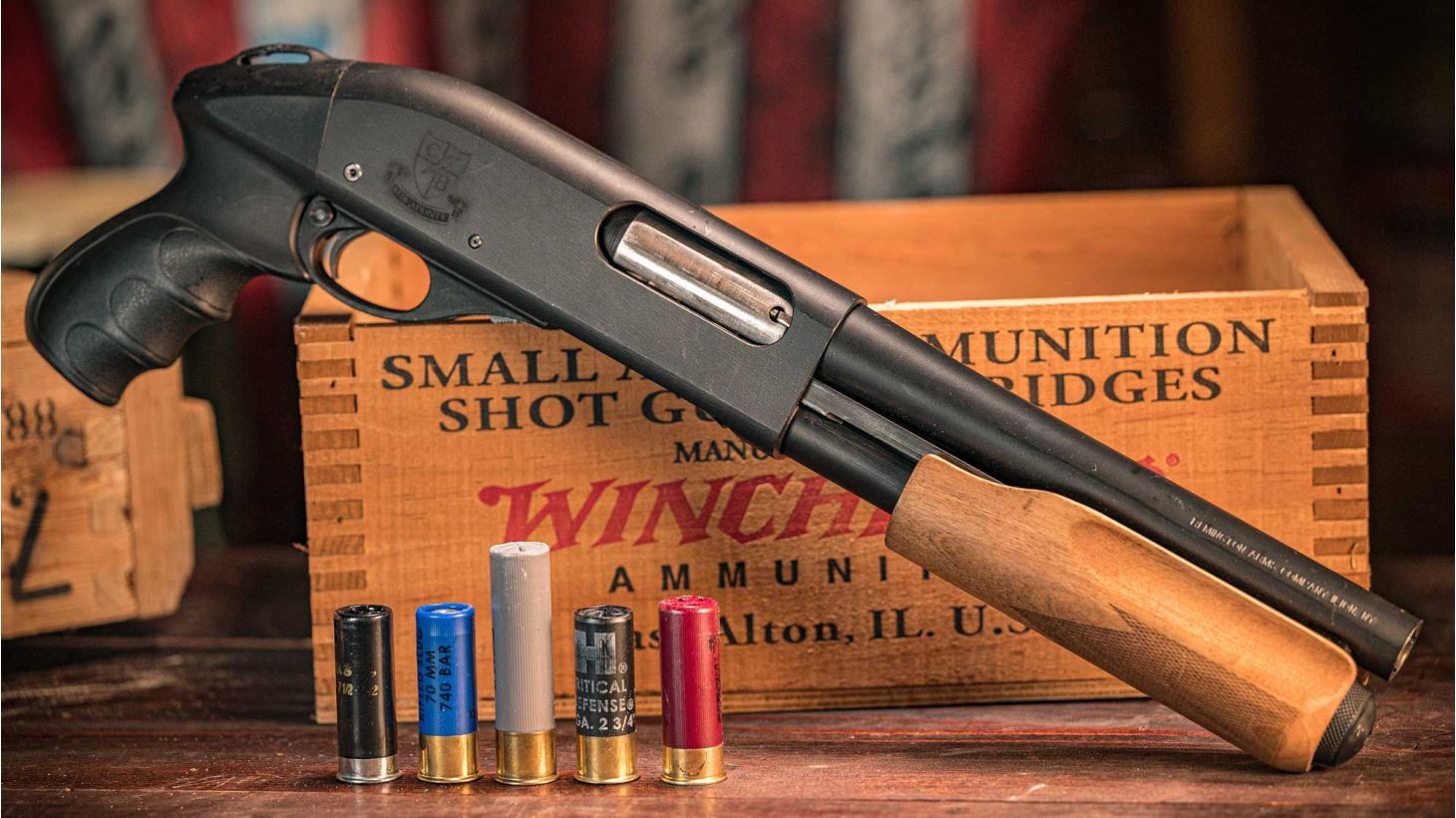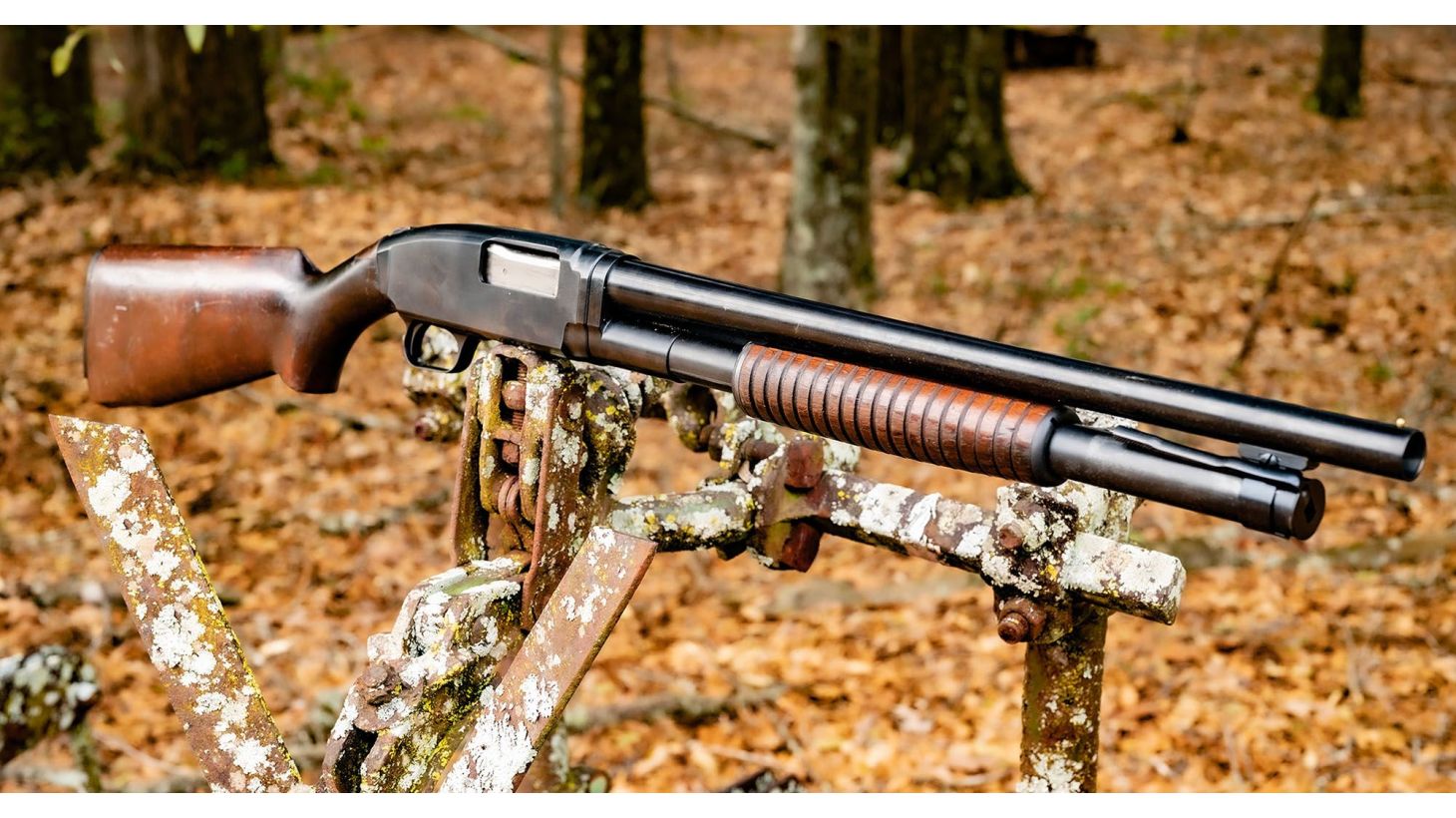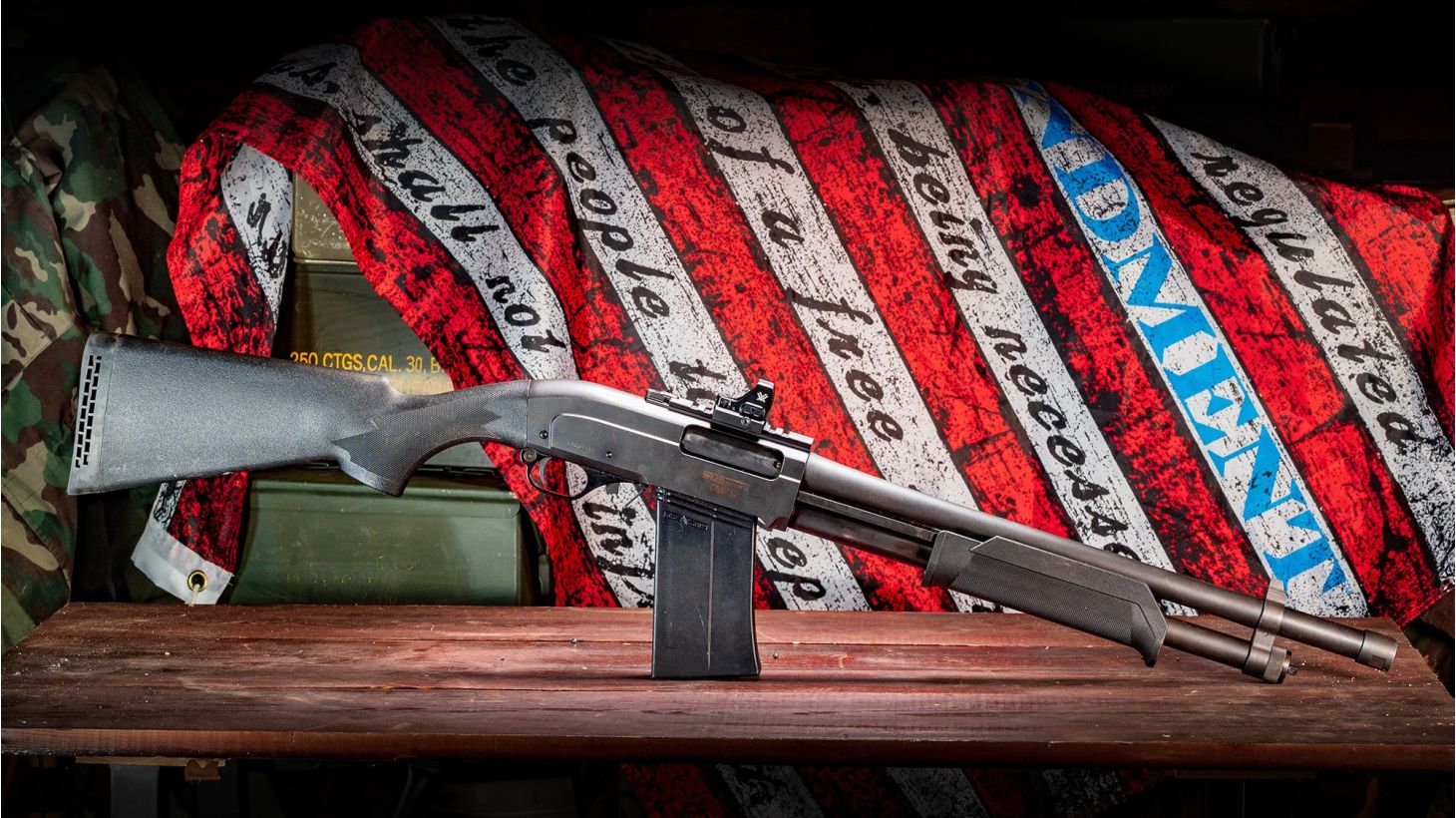
The world of shotguns can be a confusing place for shooters unfamiliar with them and their inner workings. While rifles and handguns have eliminated all the reliability issues of semi- and fully-automatic operation, shotguns are a different story.
But why is that? Furthermore, how can shooters avoid these issues and make the best decision for their needs between a pump-action shotgun and a semi-automatic shotgun? Let’s take a closer look and find out.
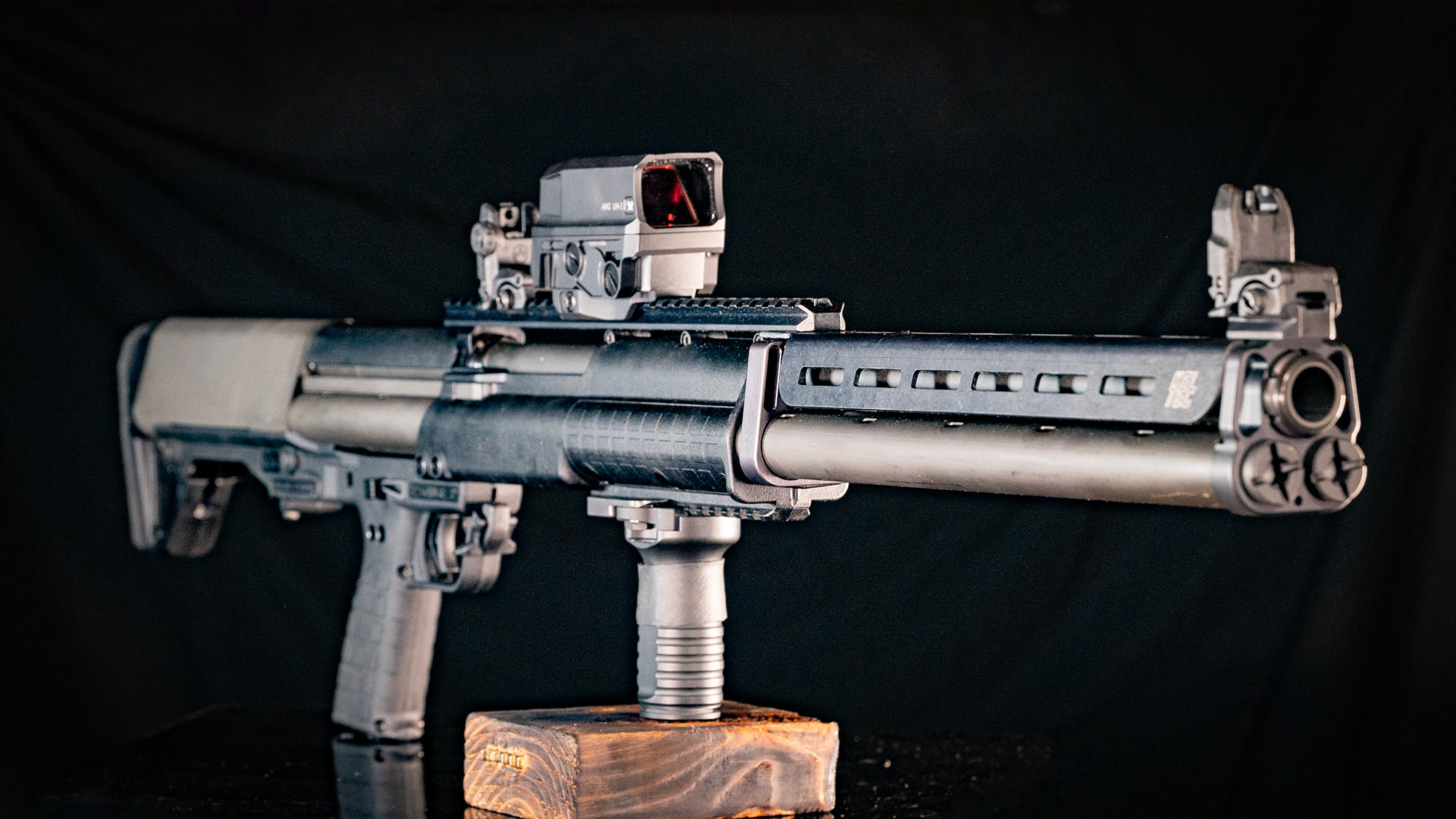
What is a Shotgun?
A shotgun is a shoulder-fired firearm designed to fire multiple projectiles, known as shot, from a single shell. Unlike rifles, which use rifling to stabilize a bullet, shotguns typically use a smoothbore barrel and choke system to control shot spread and pattern density.
Popular shotgun gauges include:
- 12 Gauge
- 20 Gauge
- .410 Bore
While several action types exist, the two most common for defensive and practical use are:
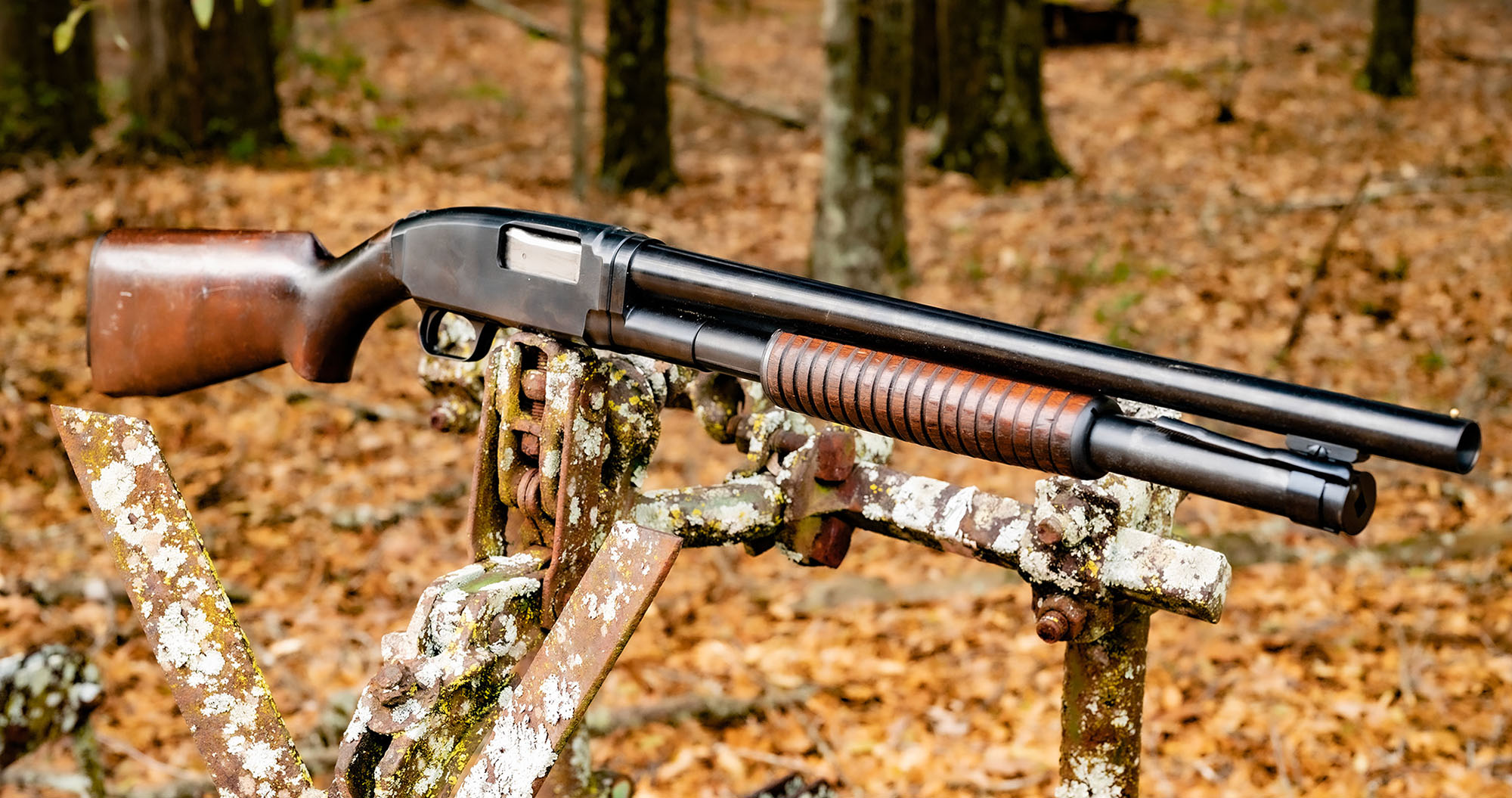
Advantages of Pump-Action Shotguns
Pump-actions earned their reputation the hard way. They are mechanical workhorses that refuse to quit even when conditions turn ugly. The simple back-and-forth motion of the forend cycles the action, extracts the spent hull, and feeds a fresh round. That deliberate movement gives the shooter positive feedback with every cycle. You know the gun is loaded and ready because you just made it so.
Reliability sits at the top of the list. A well-maintained pump will digest shells that would choke a finicky semi-auto. Mud, sand, snow, or years of accumulated carbon barely slow them down. I have seen 870s and 500s run after being dropped in creek beds and then hosed off with nothing more than a quick wipe. That kind of forgiveness matters when the gun might sit in a closet for months between uses or see duty in a truck gun role.
Price is another major win. A solid pump like the Mossberg 500 or Remington 870 can be had for a fraction of what many semi-autos command, leaving money for optics, spare barrels, or training ammunition. Versatility follows closely behind. Most pumps accept interchangeable chokes and barrels, letting one gun serve multiple roles. Drop in a 28-inch bird barrel for dove season and swap to an 18-inch cylinder bore for home defense without buying a second firearm.
The manual action also forces good habits. You cannot fire faster than you can pump, which encourages deliberate shot placement. That same slowness becomes an asset in low-light or high-stress situations where adrenaline wants to turn your trigger finger into a machine gun. Short-stroking a pump under stress is a learnable problem. Failure to clear malfunctions on a semi-auto can prove more complicated for the average owner.
Many law enforcement agencies still issue pumps for patrol rifles precisely because of this rugged simplicity. The distinctive sound of a pump being racked has stopped more than one fight before it started, a psychological deterrent no semi-auto can truly replicate. In the hands of a trained user, that sound announces serious intent without a single round fired.
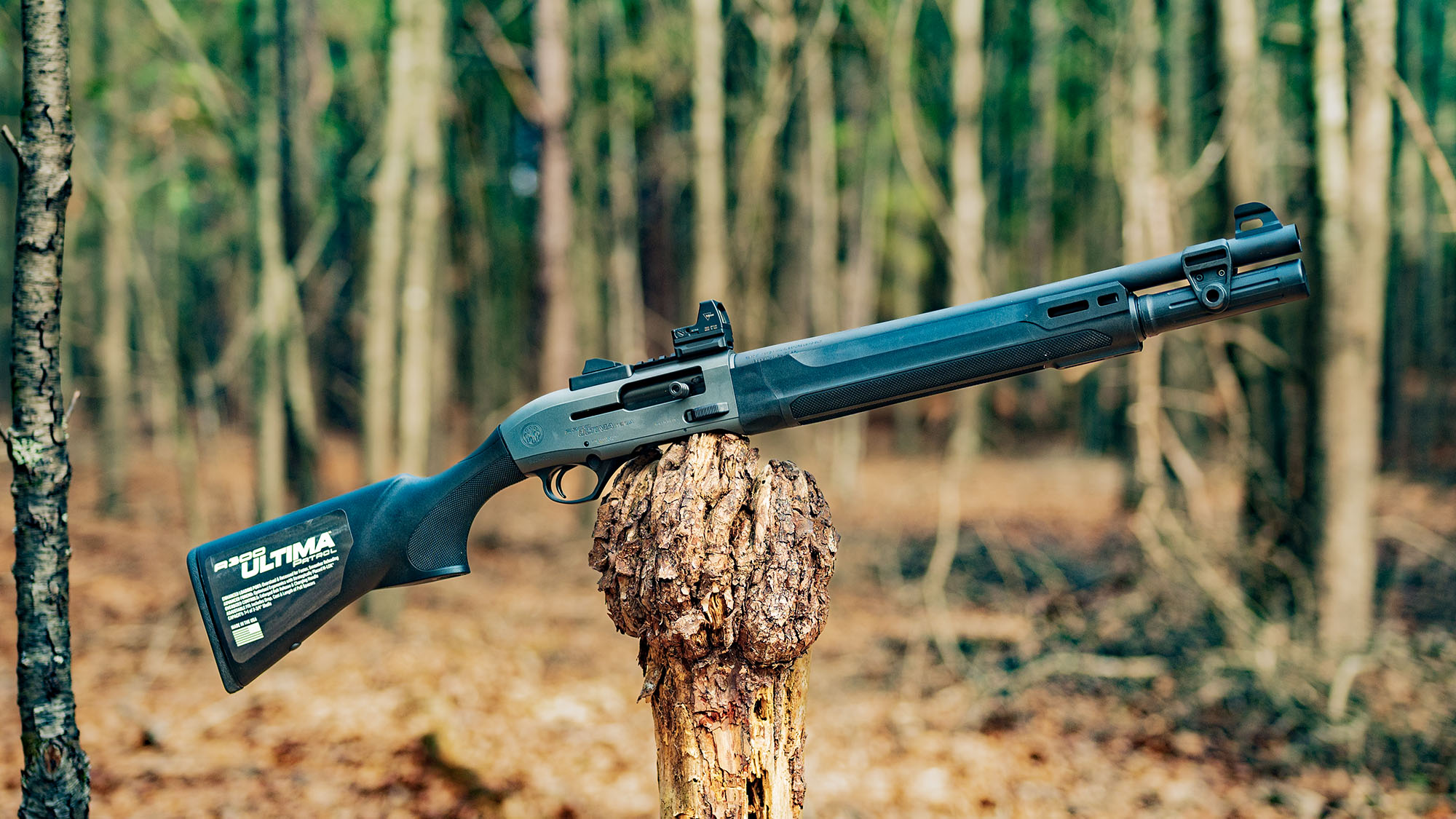
Advantages of Semi-Auto Shotguns
Semi-automatic shotguns bring speed and softer shooting to the table. Instead of manually cycling the action, gas or inertia systems harness the energy of the fired shell to do the work. The result is faster follow-up shots and reduced felt recoil, advantages that matter when engaging multiple threats or swinging on fast-moving targets.
Modern designs have closed much of the reliability gap that once haunted gas guns. Benelli’s inertia system, for example, remains famously clean and simple. It cycles reliably with everything from light target loads to heavy magnum buckshot without adjustment. Gas-operated platforms like the Beretta 1301 or certain Remington and Mossberg models meter gas pressure intelligently, keeping the action running even when the gun gets dirty.
The softer recoil impulse lets shooters stay on target better during strings of fire. This proves especially valuable for smaller-statured defenders or those training with full-power defensive loads. Reduced muzzle rise also aids in keeping the gun mounted while transitioning between targets, a critical skill in home defense where every second counts.
Capacity and reload speed often favor semis as well. Many come from the factory with extended magazine tubes holding seven, eight, or even nine rounds. Some feature magazine-fed designs that allow even faster reloads. The absence of a pumping motion means the support hand stays planted on the forend, maintaining a consistent grip and better control during rapid fire.
Semi-autos also tend to be lighter and better balanced for dynamic movement. A well-designed gas gun can feel almost lively compared to the sometimes nose-heavy pumps. This quality shines in competition, hunting scenarios requiring quick handling, or defensive use where the shooter might need to move and shoot simultaneously.
Advances in manufacturing have brought better semi-autos within reach of working folks. While premium Italian and German models still command top dollar, solid American and Turkish options now deliver dependable performance without requiring a second mortgage. The technology has matured enough that many experienced shooters trust them as primary defensive tools.
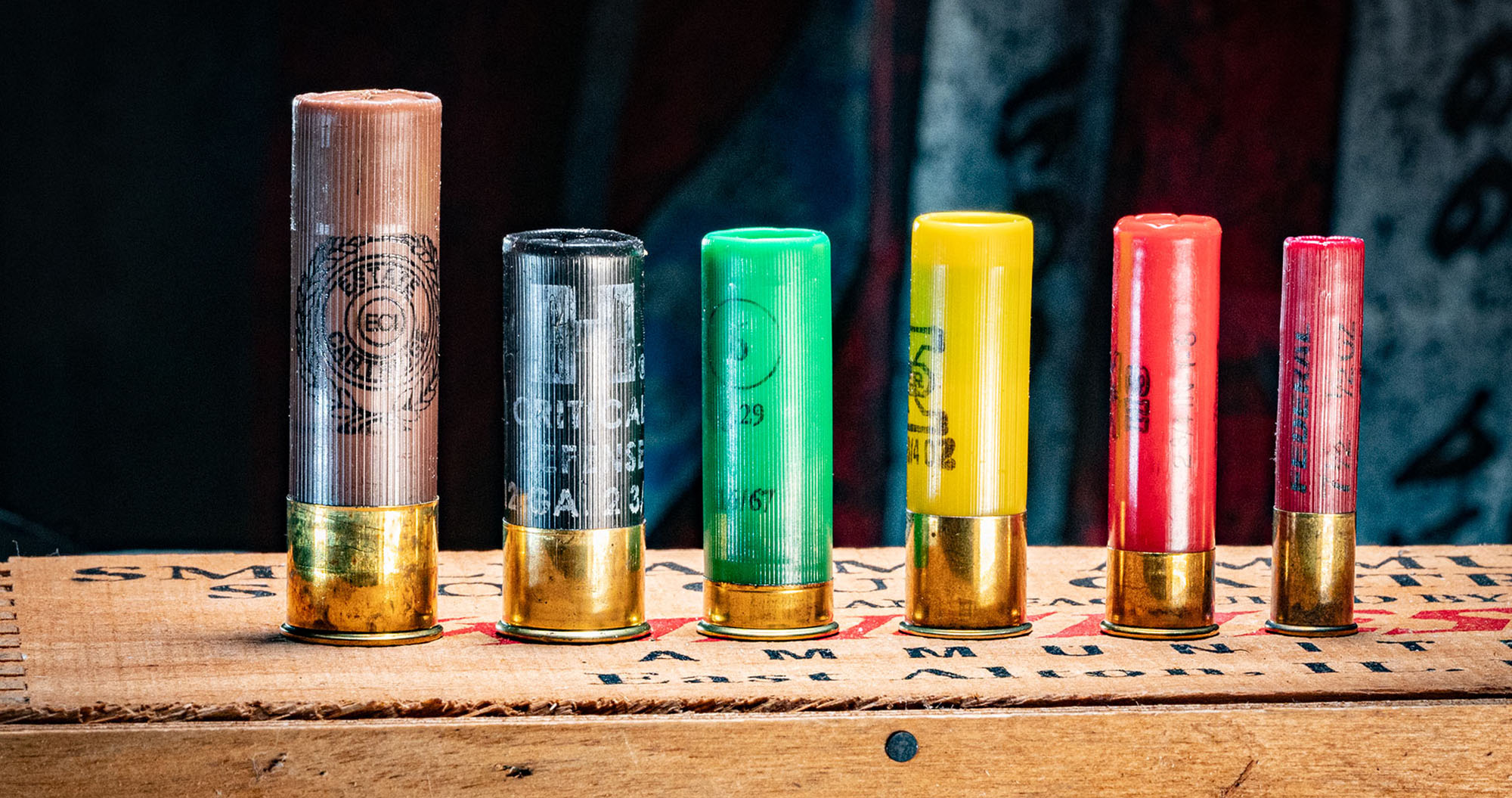
What to Look For in a Home Defense Shotgun
Home defense demands different priorities than sporting use. Reliability, ease of use under stress, and terminal performance top the list regardless of action type. Start with a 12-gauge platform unless physical limitations make the recoil unmanageable. The 12 offers the widest selection of defensive ammunition and proven effectiveness with low-brass buckshot or specialized loads.
Barrel length should sit between 18 and 20 inches for maneuverability inside structures. Shorter than that and you lose velocity and pattern control. Longer barrels become liabilities when clearing corners or moving through doorways. A cylinder bore or improved cylinder choke gives the best patterns with most buckshot at typical home distances, usually under 25 yards.
Quality sights matter more than many realize. Ghost ring sights or a simple bead paired with a red dot optic dramatically improve hit probability under low light. Tritium inserts or a quality weapon light become almost mandatory since most home invasions happen in darkness.
Ammunition choice separates casual owners from serious defenders. Skip birdshot except for training. Number 1 or #00 buckshot delivers the best balance of penetration and pattern density in most interiors. Slugs serve as a powerful option for barriers or longer distances but carry significant overpenetration risk. Test multiple loads in your specific gun because patterns vary wildly between manufacturers and even individual barrels.
For pumps, look for twin action bars, a smooth operating forend, and a receiver drilled and tapped for optics if possible. Extended magazine tubes, side saddle shell carriers, and sturdy sling attachment points add capability without much weight. Mossberg’s 590 series and Remington’s 870 Police models have decades of real-world feedback behind them.
Semi-auto buyers should prioritize proven operating systems. Test the gun with your chosen defensive load, light birdshot, and any low-brass options you might use for training. Check for consistent feeding and ejection. Controls should be intuitive and reachable without breaking your grip. Oversized safety buttons and bolt releases help when fine motor skills have departed the building.
Both types benefit from quality aftermarket support. Consider a shorter length of pull stock if you or family members are smaller framed. Recoil pads that actually absorb energy rather than just look tactical make a noticeable difference during practice sessions. A good sling turns the shotgun into a true tool that stays with you while you perform other tasks.
Training trumps gear every single time. A basic pump you actually shoot regularly beats a fancy semi-auto gathering dust in the safe. Run drills that simulate low light, movement, and one-handed operation. Practice clearing malfunctions until the motions become automatic.
Shotguns demand more hands-on practice than carbines because their manual of arms differs significantly from what most people learn on modern rifles.
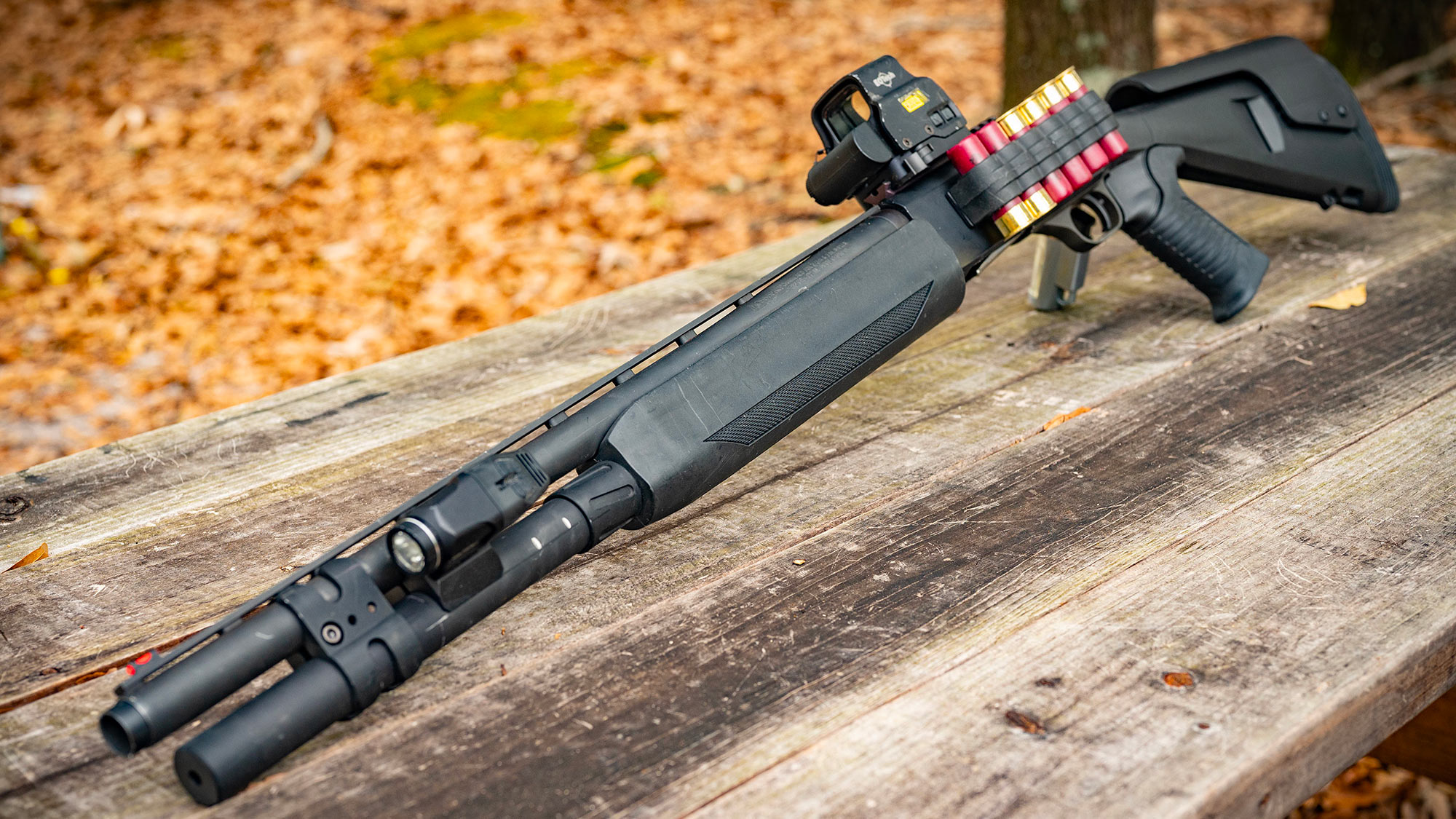
Verdict
Neither action holds a universal crown. The pump-action remains the king of reliability and value. It forgives neglect, runs dirty ammunition, and costs less to own and feed. For many households, especially those on tighter budgets or with limited training time, the pump represents the smartest choice. Its mechanical simplicity means fewer things can go wrong at the worst possible moment, and that peace of mind carries real weight.
Semi-automatic shotguns have earned their place at the table through genuine performance gains. When everything works as designed, they deliver faster, softer shooting that translates into better hits on target. Modern examples shrug off the old reputation for pickiness, though they still generally demand more attention to cleaning and ammunition selection than their pump cousins.
For most home defense applications I still lean toward a well-equipped pump, particularly for new or occasional shooters. The manual action forces fundamentals and provides built-in feedback that a semi-auto can mask. Yet I own and regularly carry both. A Benelli M4 or similar semi-auto serves as my go-to when speed and reduced recoil matter most, such as during longer training sessions or specific high-threat scenarios.
The right answer usually comes down to the individual. What fits your hand best? What can you afford to practice with regularly? Which gun will you actually grab at 3 a.m. when the glass breaks downstairs? Test fire both types extensively before deciding. Rent them at the range, borrow from friends, and run the same defensive loads through each.
A quality shotgun of either type, paired with proper shotgun ammunition and consistent training, remains one of the most effective tools for protecting a household. The mechanical differences matter, but the shooter behind the gun matters more. Choose the platform that lets you run it effectively when it counts, maintain it properly, and train until operating it becomes second nature. Everything else is details.