
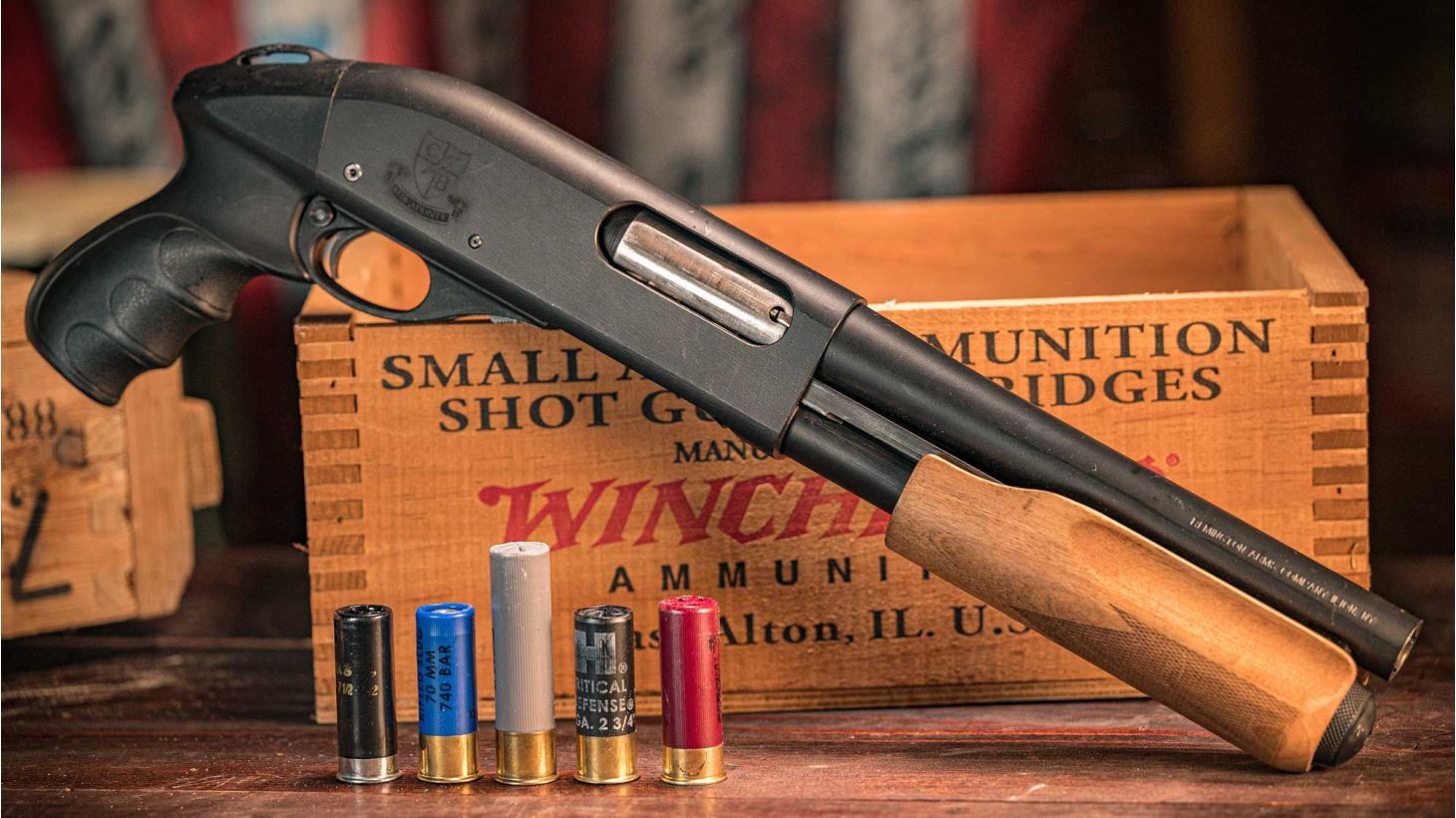
The world of shotgun ammo could be more straightforward for new shooters. It is very difficult for inexperienced individuals to choose the proper ammo for their needs.
For example, 16-gauge shells are vastly smaller than 8-gauge, and buckshot is rarely used for hunting deer. But with a bit of understanding of the naming conventions used and what each type of ammo is actually designed for, purchasing the correct ammo is a synch.
Shotgun Shell Gauges
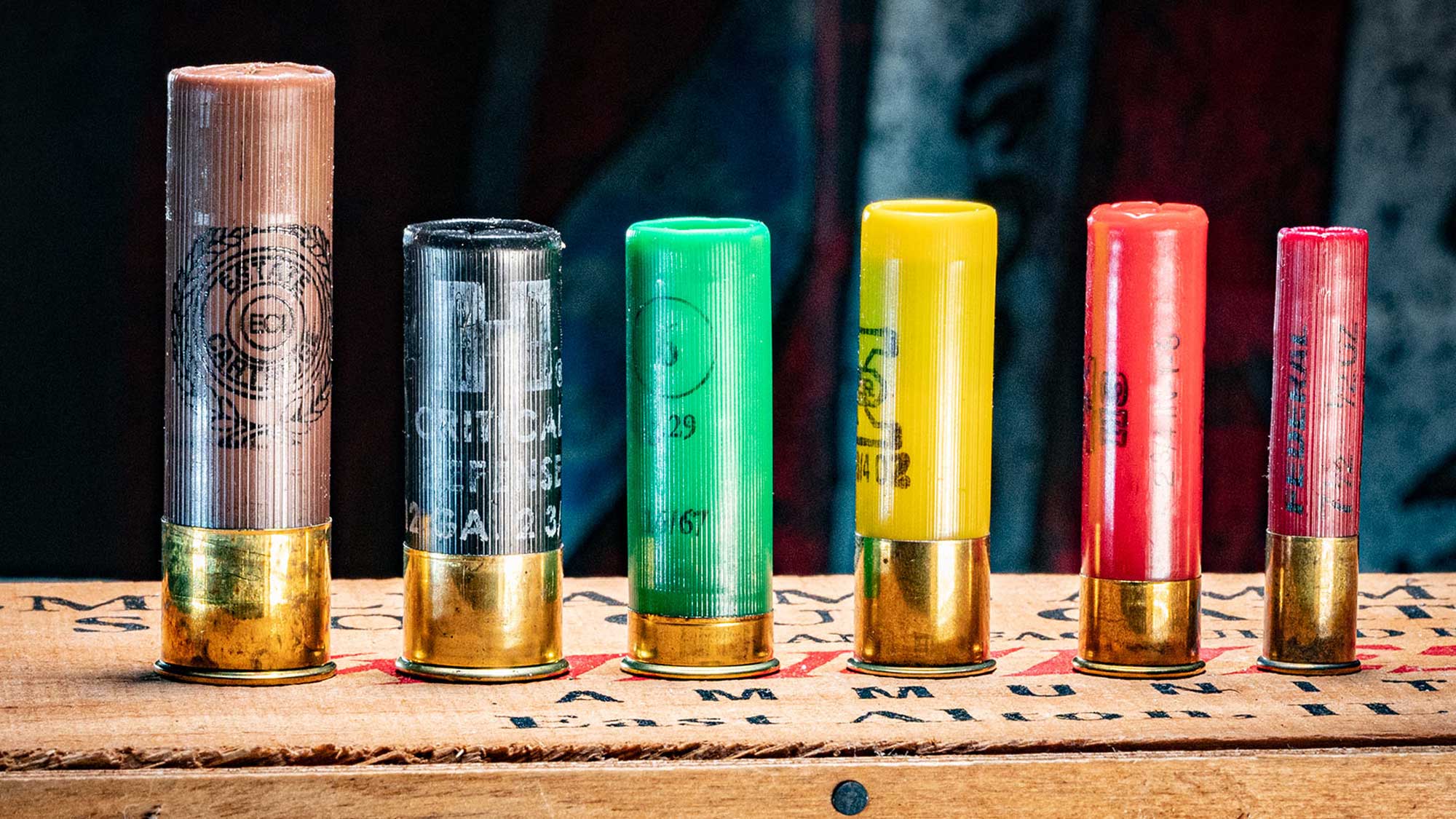
Most shooters understand that less is more regarding shotshell gauge, but only some understand precisely why. That’s because the unit for measurement employed with shotgun shells is as old as it is archaic.
The shotgun’s gauge indicates how many lead balls, each the diameter of the barrel, are needed to weigh one pound.
Thus a 16 gauge shotgun requires 16 lead balls to equal a pound, while a massive 4 gauge would only require four balls. The only exception to this rule are .410 bore shells - those rounds are named because the bore is equal to 410/1000ths of an inch.
Gauge originated back when shooters would buy lead by the pound to make their own ammo, and it was organized by gauge. Interestingly, the term dates back to the common use of cannons. Back then, English cannons’ power was measured in how many pounds their payload was. So, if you were arming your warship’s cannons for close-quarters or anti-personnel use, you could make your own grapeshot (essentially giant buckshot) and determine what size projectiles you wanted based on gauge.
Choosing a Gauge
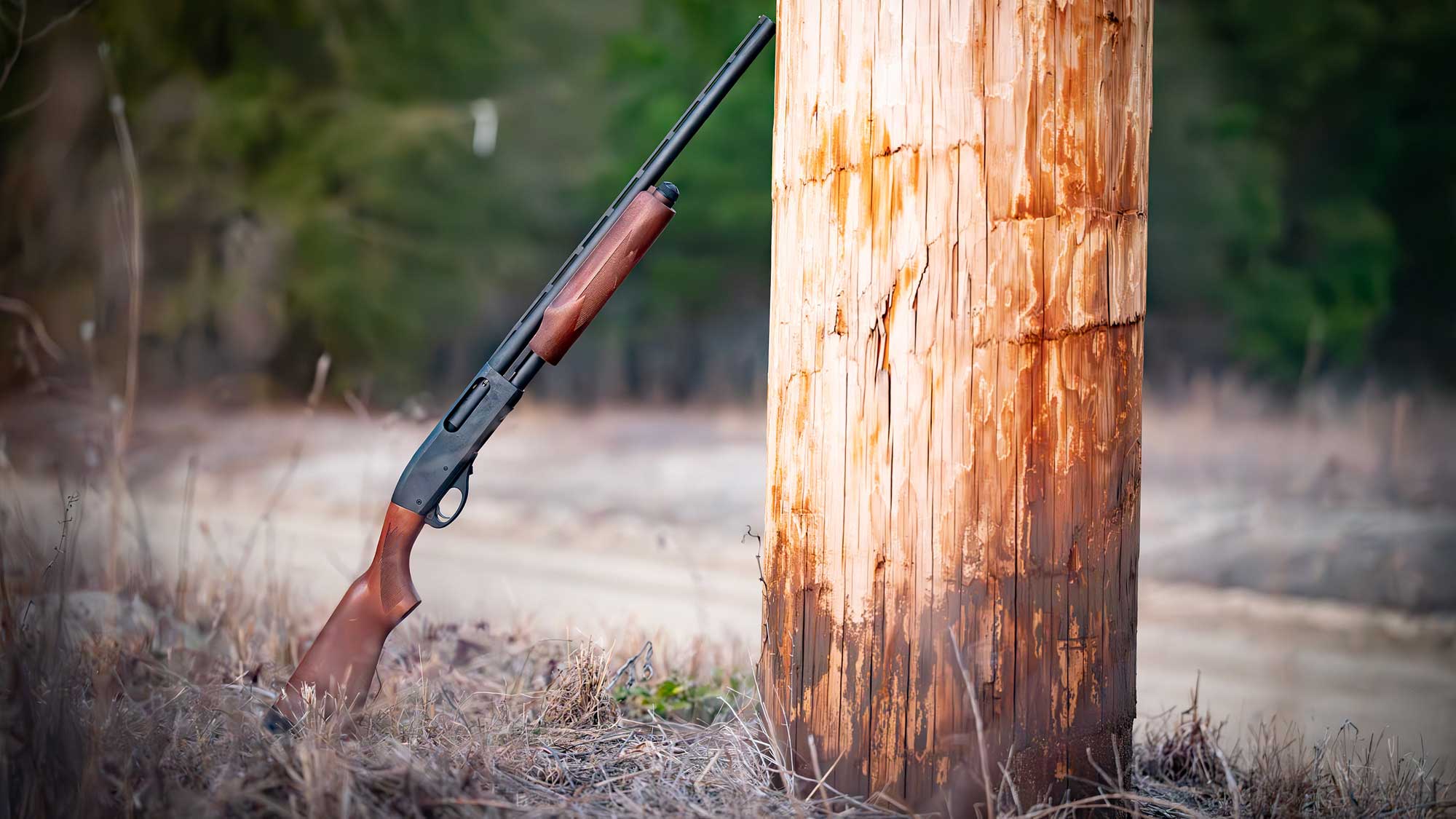
Based on the previous section, it would stand to reason that a shooter should pick the biggest gauge possible. While that’s true if you want to do as much damage as possible per each trigger pull, it’s not practical.
Why?
The bigger the gauge, the greater the felt recoil. There’s a reason the most popular shotguns today aren’t chambered in one gauge—the recoil would destroy a shooter’s shoulder.
The key to picking the right gauge for a shooter’s needs is understanding the limitations and benefits of each:
- As a general rule, 12 gauge is the king. It offers the widest and most affordable selection of loadings today by a massive margin.
- The second is 20 gauge shotgun shells, but the recoil reduction afforded by the round is offset by increased cost and decreased availability. I say that both in terms of where it’s possible to buy the rounds and in the selection of specialty loads.
- The third most prolific shotgun caliber is the .410 bore, but despite marketing hype to the contrary, it should not be used for self-defense except at spitting distance with the most potent loads available.
Those Dram Shotgun Shells!
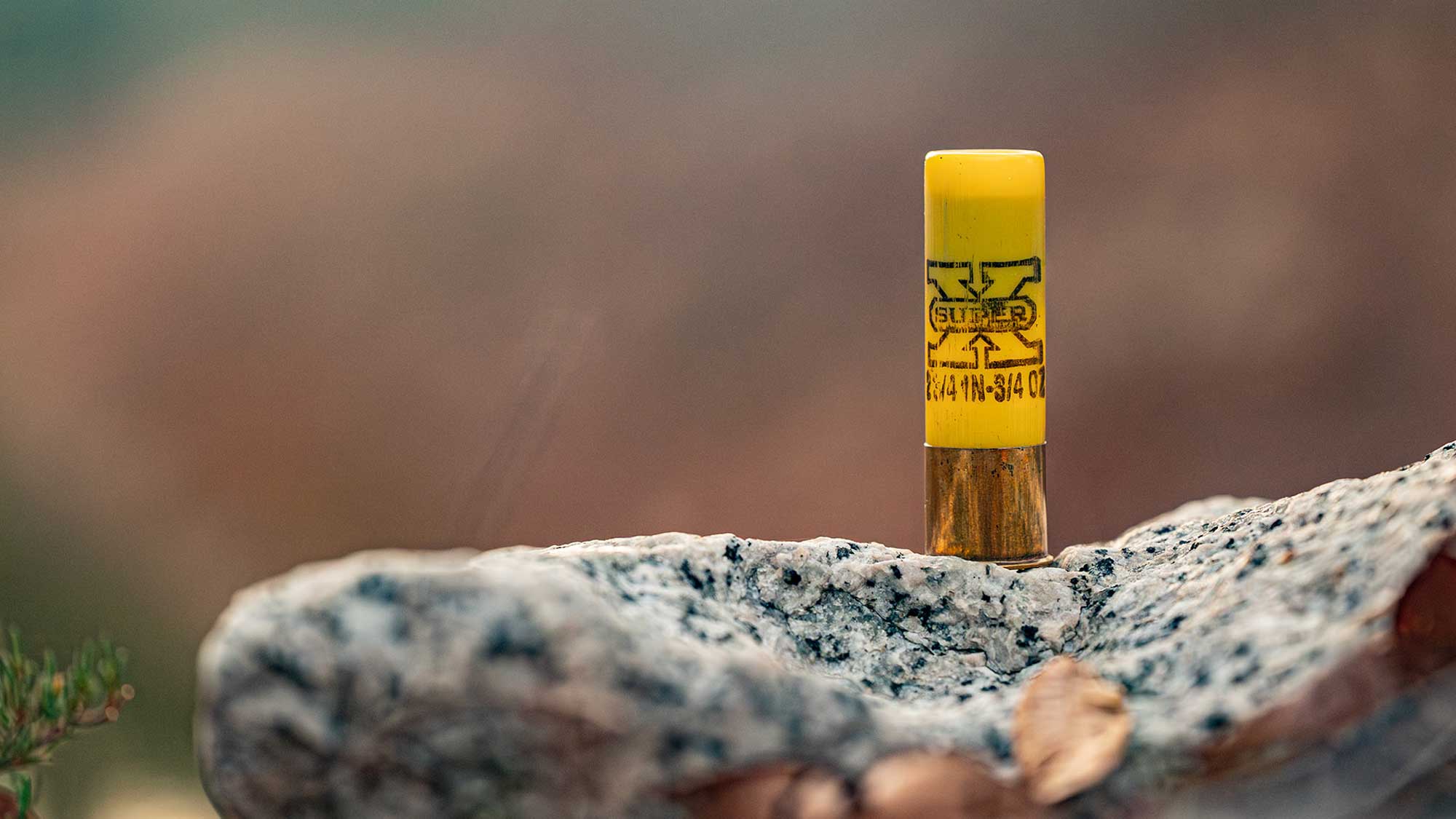
Dram is another weird, archaic unit of measurement unique to shotguns. Not every ammo maker still uses this system, but it’s an important thing to understand if you intend to run an autoloading shotgun.
A shotshell’s dram refers to how powerful the load itself is.
More accurately, how much power is behind the projectiles in the shell. The term originated as a method of measuring how much black powder is loaded in a shell. Modern loadings are loaded with smokeless powder, but they still use a modified version of dram to indicate how hot a load is, well, loaded.
Low-dram shells are fairly pleasant to shoot and function flawlessly in manually operated shotguns like pump-actions or breech-loaders. That’s because these guns depend on either the recoil impulse or expanding hot gas from the fired shell to cycle the action. Instead, they rely on good old-fashioned human power.
The downsides of these rounds are that they are totally unreliable in automatic shotguns, and they tend not to penetrate enough to be used for self or home defense. If a shotgun shell’s dram is listed as 2, 2 ½, or 2 ¾, it is considered low dram. Avoid these rounds.
Standard dram is defined as either 3 or 3 ¼ and represents the majority of ammunition on the market today. These are ideal rounds for training, shooting animals or stopping threats in your home.
The third category, high dram, consists of anything above 3 ¼. These can be used for self-defense but are commonly seen on goose loadings or anything designed to reach out beyond the typical effective range of a shotgun while maintaining its lethality.
What About Brass?
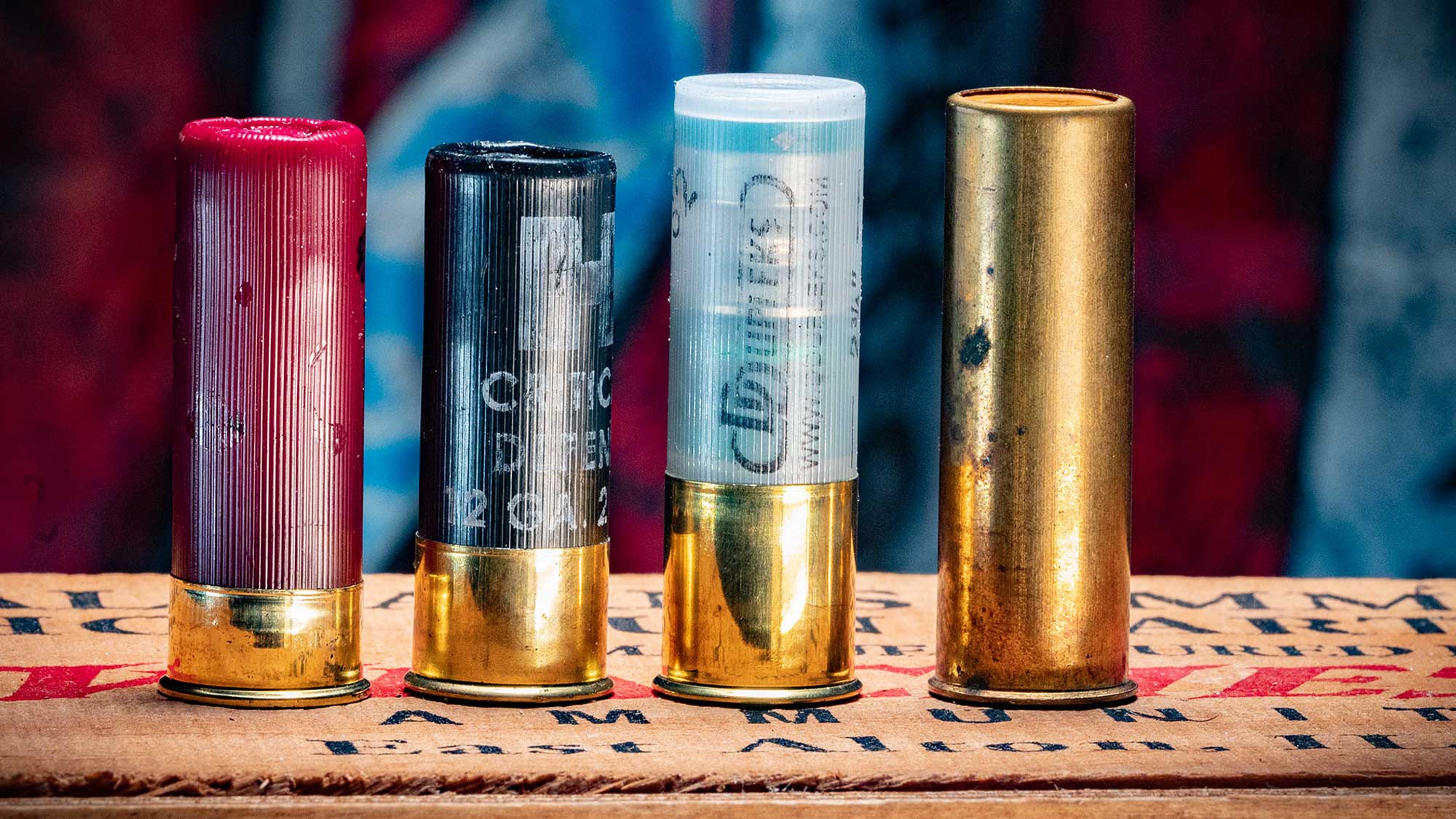
If you’ve frequented a shotgun enthusiast forum or talked with avid shotgunners, you might have heard of the term low or high brass. As a general rule, high-brass rounds have higher dram than low brass, but that’s not always the case. Many companies use brass, or the amount of the shell that is made of brass vs the amount of the hull that is made of plastic, as a visual marketing ploy.
Shooters see that a new defense round has more brass at its base than others, and assume it must be a more potent round. But with advances in metallurgy and ammunition science, that’s not the case anymore. In fact, vintage World War 1 shotgun shells were made entirely of brass, and many are only a fraction as powerful as some of the hunting loads available today.
Magnum and Why Size Matters
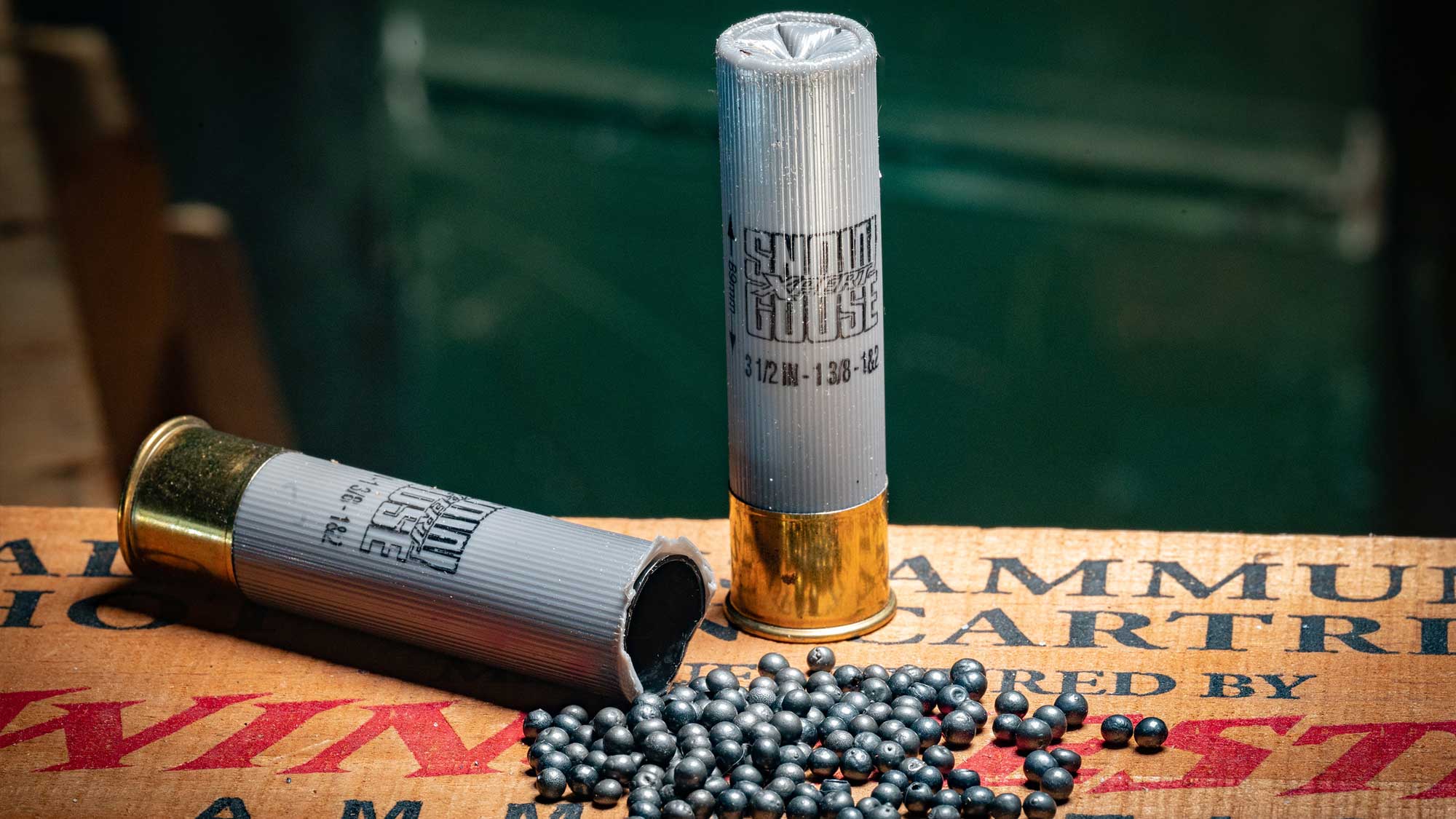
Another aspect of shotgun ammo to consider is the overall length of the shell. On the box of all shotgun shells, you’ll find a number after the gauge that refers to the overall length of the shell.
While not always an indicator, usually, the longer the shell, the more powerful the round. This is because those bigger shells can accommodate more powder and more projectiles. That’s why a 3 ½-inch magnum 12 gauge shell kicks much harder than your standard 2 ¾ shell.
The only problem with these longer shells is that only some guns are designed to accommodate them. For instance, many of the semi-automatic Saiga shotguns were designed only for standard-length (2 ¾ in) shells. Larger shells won’t even chamber because there’s not enough space in the receiver or the barrel to accommodate them. Also, you can always go down in size but never up. So if your Remington 870’s barrel says 3-inch Magnum on it, you can still safely fire 2 ¾ shells, but the reverse isn’t true.
Now that we understand how each round is labeled and its power enumerated, let's look into what kind of projectiles are available and which one you should use.
Slugs, Bucks, and Birds
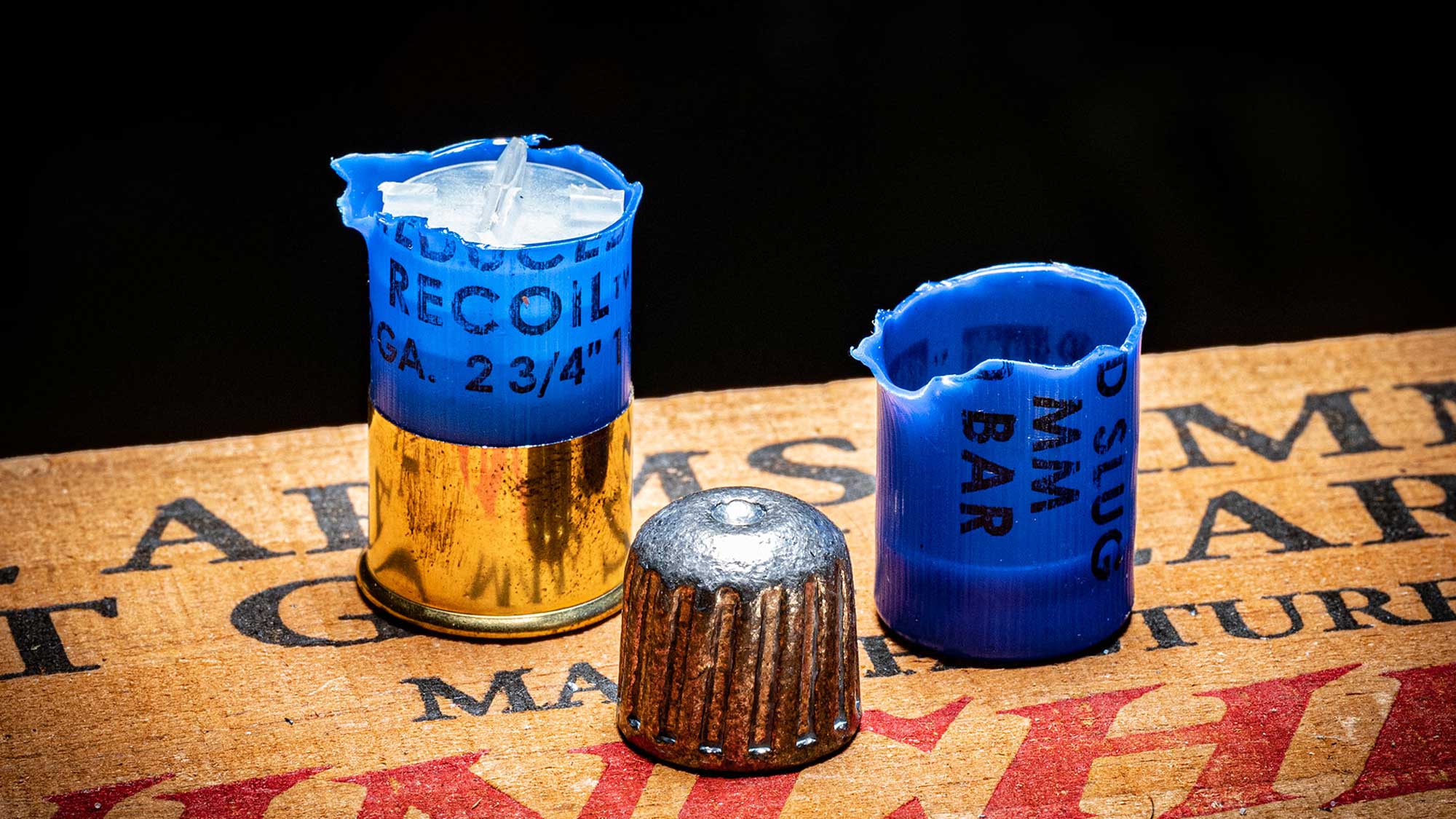
Lastly comes the actual load itself.
There are two main types of shotgun ammunition: slugs and shot. Slugs are a single large projectile, while shot refers to multiple smaller projectiles contained within the hull itself.
Slugs are better for longer-range shots and hunting medium-to-large game. That’s because these rounds tend to travel straighter, further, and penetrate deeper than shot. They are devastating to anything they hit, and (most) have incredibly stout felt recoil.
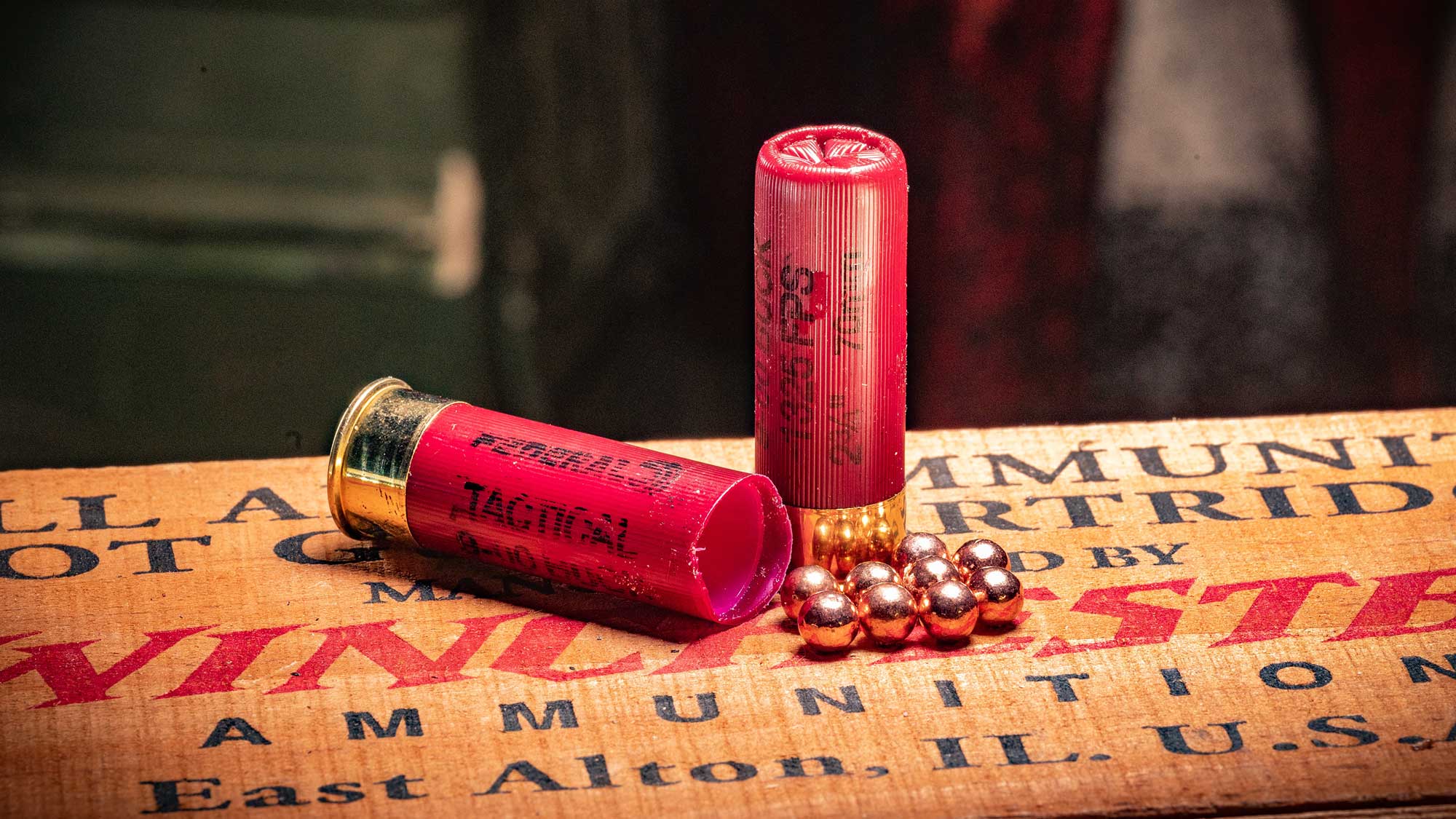
Shot is better for closer range and moving targets because the individual pellets spread out in a semi-predictable pattern, increasing the likelihood of a successful hit. The trade-off is that because you’re firing multiple smaller projectiles, they don’t hit nearly as hard as slugs, are random in their patterning, and have a steep dropoff in terminal efficacy.
Multiple ammo makers have their own recipes for each type of shot, but there are basically two major categories of shot - bird and buck.
- Birdshot consists of very small pellets designed to fill an area with projectiles since the intended target - birds - aren’t very resilient.
- Buckshot refers to larger gauge pellets, and although originally intended for hunting medium game, it is the round of choice for military, law enforcement, and home defense.
The ideal buckshot load is a 00 or “double-ought” and, in the case of 12 gauge shells, contains eight 8mm lead projectiles. Making it deliver a payload not dissimilar to firing eight rounds of 9mm at close range into a target with a single trigger pull.
Birdshot can work for self-defense, but it isn’t ideal at all.
Lead vs. Steel vs. Tungsten
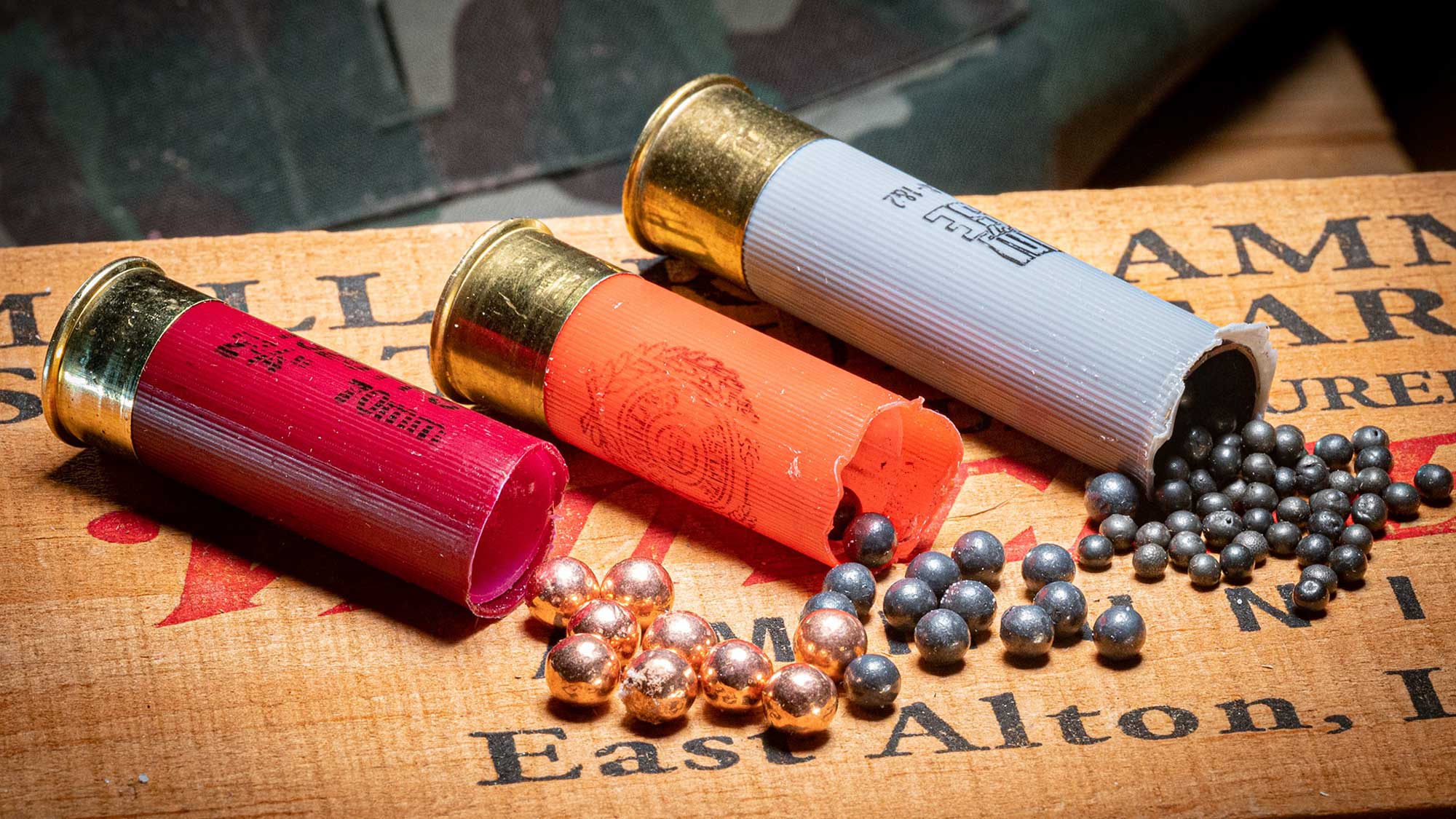
What about the material the projectiles are made of? The EPA keeps harping on about how lead shot is killing California Condors and that it’s evil or something to that extent. Is lead toxic? Yes. Does it matter for home defense? No. Who or whatever takes a blast from your shotgun isn’t going to die from lead poisoning - at least not in the traditional sense.
As a general rule, lead ammo is best for hunting large game and self-defense. It is very heavy relative to its size and expands on impact, creating larger wound channels. Lead should also be your material of choice for three-gun matches or any competition where you’ll be shooting steel targets. That’s because steel shot will bounce off of steel targets and at close range is dangerous to the shooter.
Speaking of steel, these rounds are great for birds and clay pigeons because they travel at a higher velocity (since they’re lighter) than lead and are thus easier to hit moving targets with.
As far as specialty ammo like tungsten, those rounds are reserved for shooting trophy turkeys since they fly very straight, penetrate like crazy, and have good sectional density. The downside to tungsten rounds is cost - some of these shells are more than $2 each!
That all said, there are also crazy specialty rounds like incendiary dragon’s breath, flechette, and even frag grenade rounds. But these are so unique and mission-specific that they warrant their own article. But suffice it to say, none of these are ideal self-defense rounds, especially not dragon’s breath or frag grenades (the latter being NFA-regulated)
Shotgun Ammo Wrap-Up
Still confused?
Here’s a short and snappy version:
- 12 and 20 gauge are the best shotgun gauges for general use. 12 gauge is cheaper, more powerful, and more plentiful at the cost of increased felt recoil.
- If you’re hunting deer, bear, or anything close to the size of a horse, load slugs.
- If your intended target has wings or is made of clay, choose birdshot. If said winged target is a turkey, load 3-inch magnum turkey shot.
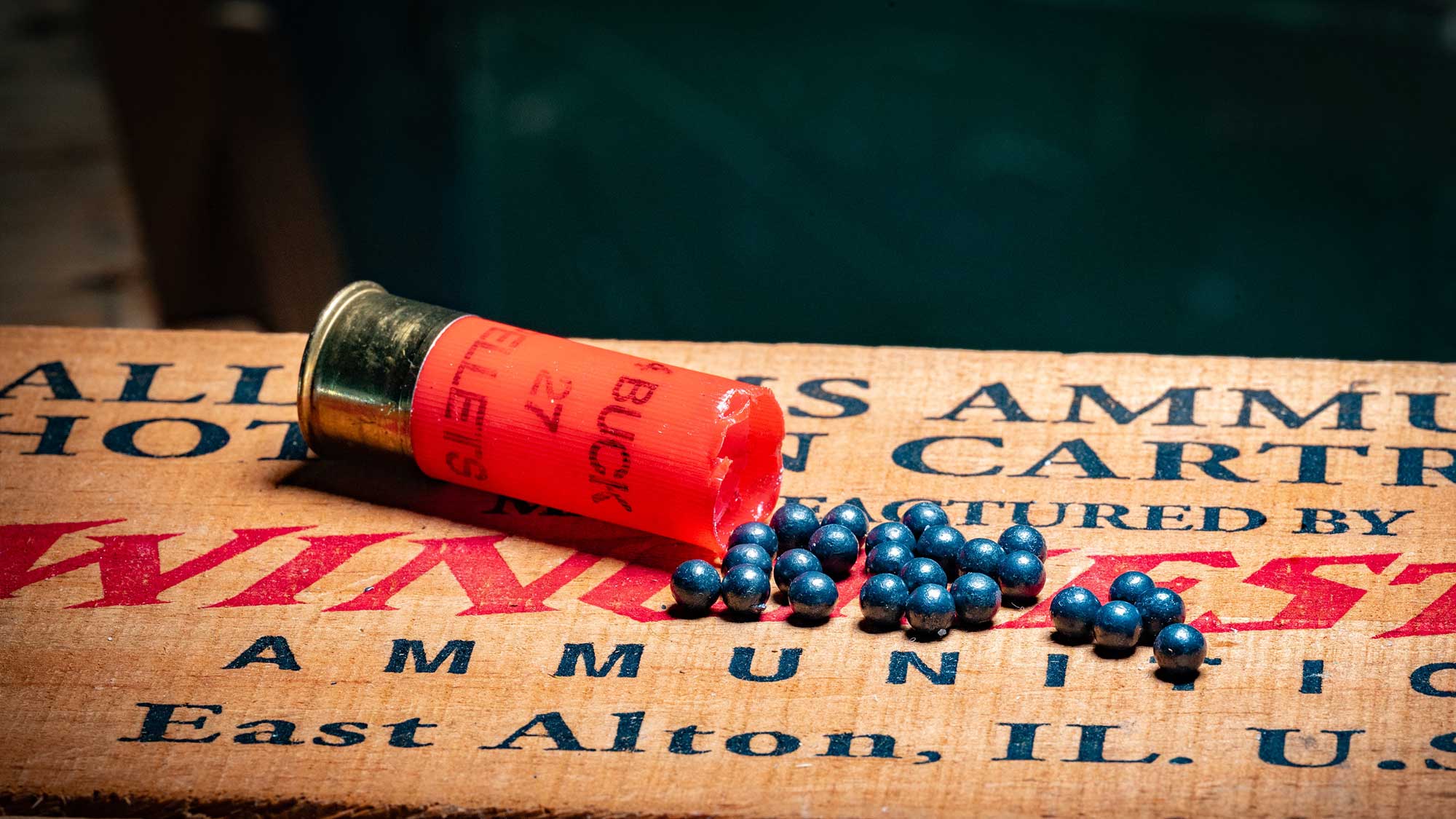
- For wild hogs or human attackers, you want buckshot, ideally double ought.
When choosing a shotgun shell for use in your firearm, always go as high as possible in terms of dram for semi-automatics since that will be the most reliable load. The height of the brass at the base of a shell is normally an indicator of the round’s potency, but not always - check the box for a dram rating.
There, you know more about shotgun shells than 99% of Hollywood, and probably half of all shooters. So now you can confidently select the best shotgun shell for your needs without worry.