
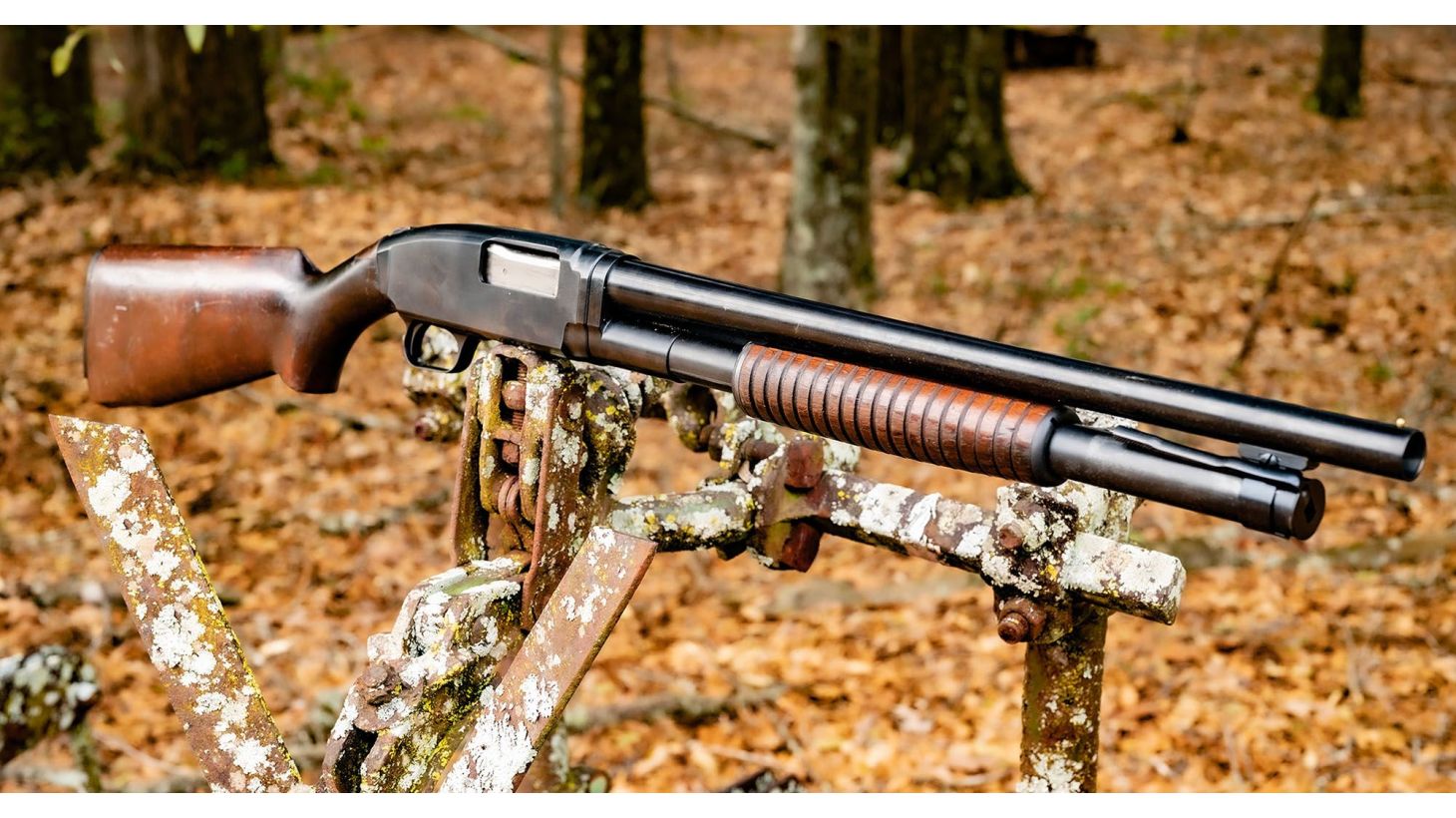
Walk into any gun store in America and ask what the best home defense weapon is, and 99% of the time, you’ll hear someone chime in, “A 12-gauge shotgun!” While that advice isn’t bad, it leaves many details out that are critical to choosing which 12-gauge shotgun. But never fear, dear reader; we have assembled a guide below to help you select your best self-defense shotgun.
But before we get into the various makes and models of shotguns I would recommend, let’s address the 12 gauge portion of the advice above.
Caliber / Gauge
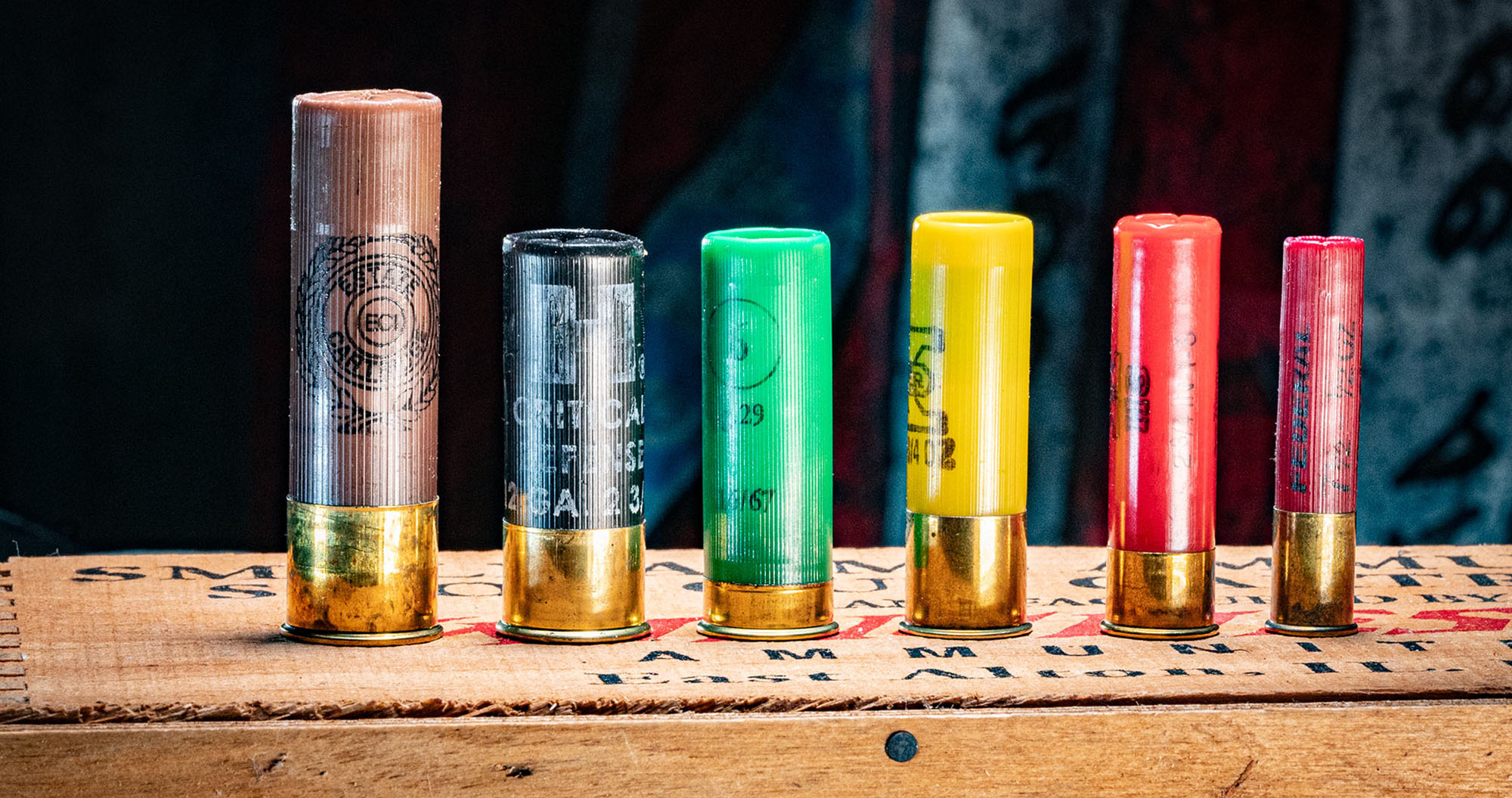
The gold standard for shotgun calibers is the venerable 12 gauge. Versatile, affordable, and available at any shop that sells guns or ammo, 12 gauge is king for a reason. That said, there is one other shotshell I would personally suggest is nearly as viable as the 12 - the 20 gauge.
Although not as powerful or affordable as 12 gauge, 20 gauge shotshells are available in plenty of loadings, making it an appropriate self-defense or home defense round. It also benefits from having less felt recoil, and as a result of being physically smaller than 12 gauge, many shotguns chambered in 20 are smaller than their bigger-bore counterparts. Lastly, never go with anything below a 20 gauge unless a physical limitation limits your ability to handle the shotgun's recoil.
If cost or availability is crucial, go with the 12 gauge every time.
With that out of the way, let's get down to business and talk about the different methods of operation for shotguns and their advantages/disadvantages.
Auto-Loading vs. Manual Operation
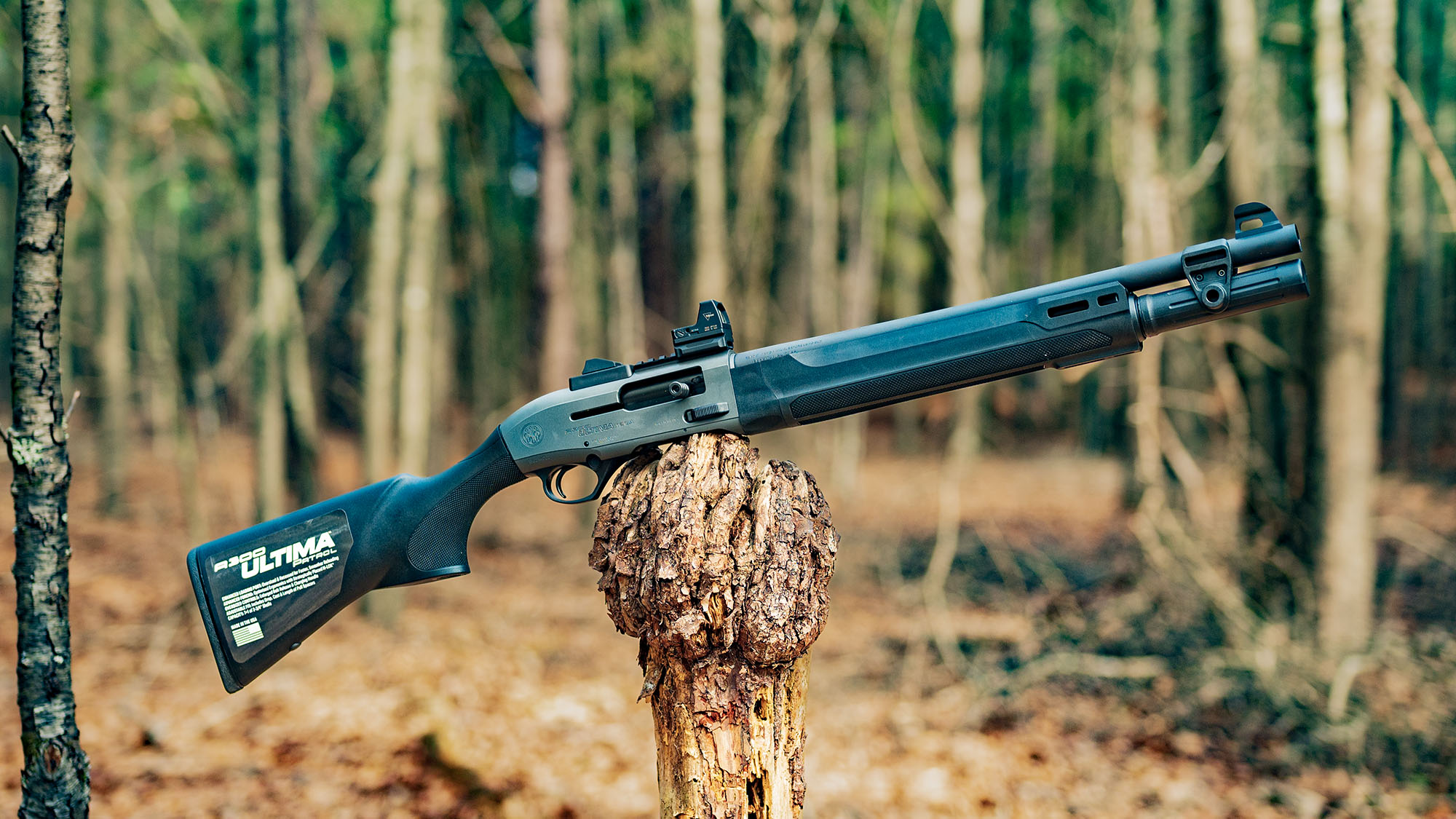
In the world of shotguns, there are effectively two significant types: auto-loading and manually operated. The former is exactly what it sounds like the shotgun automatically loads the next round after firing the first.
How this is achieved matters, but I’ll reserve that for a section below because it’s very involved and affects reliability, recoil, and many other things. That said, in the broadest sense, auto-loading shotguns have less felt recoil than manually-operated ones because the gun siphons some of the power (either the recoil impulse or some of the escaping hot gas) to drive the bolt rearward, eject the spent shell, then grab another round from the magazine and put it into battery.
The downside of auto-loading shotguns is that they’re ammunition-sensitive. This means they don’t reliably function with every variety of shell they’re loaded with.
Manually-operated shotguns are those that are operated purely with human strength. They can be breech-loaded like a double-barrel shotgun, where the shooter places rounds directly in the chamber before firing, or pump/lever-action, where the shooter works the action to chamber a new round from a magazine.
These make excellent home defense shotguns because they aren’t ammunition-sensitive at all. If the round fits in the chamber/magazine, it will fire, provided the shooter does their part. Another benefit of these guns is that they are more affordable than semi-automatic shotguns since they usually have fewer moving components. And for these same reasons, they’re also typically lighter than auto-loaders.
The downsides of these guns are twofold:
- More felt recoil since they don’t siphon any of the recoil impulses
- Can be a little unreliable in the hands of an untrained shooter who may not work the action with enough force without sufficient practice.
But there’s more to this question than just the basics, so let’s dive into the details of each method of operation to help shooters decide exactly what type of shotgun best serves their needs as a self-defense weapon.
Auto-Loading Shotguns
All semi-automatic firearms fall into one of two major categories: blowback or locked breech. The unique aspects of each and their advantages and shortcomings depend on how these guns achieve a locked breech.
In the broadest sense, blowback or semi-automatic firearms whose cycle doesn’t include locking the breech are heavier and have more recoil than locked breech designs. They’re also practically limited in caliber because the amount of mass required to delay the breech opening on rifle calibers is too massive to be considered. For example, a semi-automatic .308 Win rifle would require an 11.3-pound bolt, making any host firearm too heavy to realistically field/design.
Why? Because these guns don’t lock or delay their breech mechanically, they need a stout recoil spring and a hefty bolt to slow the cyclic rate to a safe, reliable one. In pistol caliber carbines, this translates primarily into increased felt recoil since the massive bolt reciprocating inside the receiver physically shakes/jars the shooter.
In a handgun like the Walther PPK/s, this also means that the gun is heavier than locked breech guns of the same caliber and size and that the slide is more difficult to rack since the recoil spring will be much more powerful and thus more challenging for the shooter to overcome.
Armed with this information, let’s look at the various methods of operation for semi-automatic shotguns and their advantages/disadvantages.
Recoil Operation
Recoil Operation or Intertia-driven firearms essentially function like a cam-delayed blowback firearm. They utilize the recoil of the fired shot to propel the bolt rearward. A caming surface delays the action on the bolt itself that locks into the breech. Engineers design these so that the angle of the caming surface only releases the bolt when the internal pressure has reached a safe level.
The action on these guns tends to be violent, leading them to have more felt recoil than a gas-operated firearm because they rely on a stout recoil impulse to cycle the action. The other downside is that they can have difficulty fully locking if the bolt is impeded while traveling back into battery.
Gas-Operated
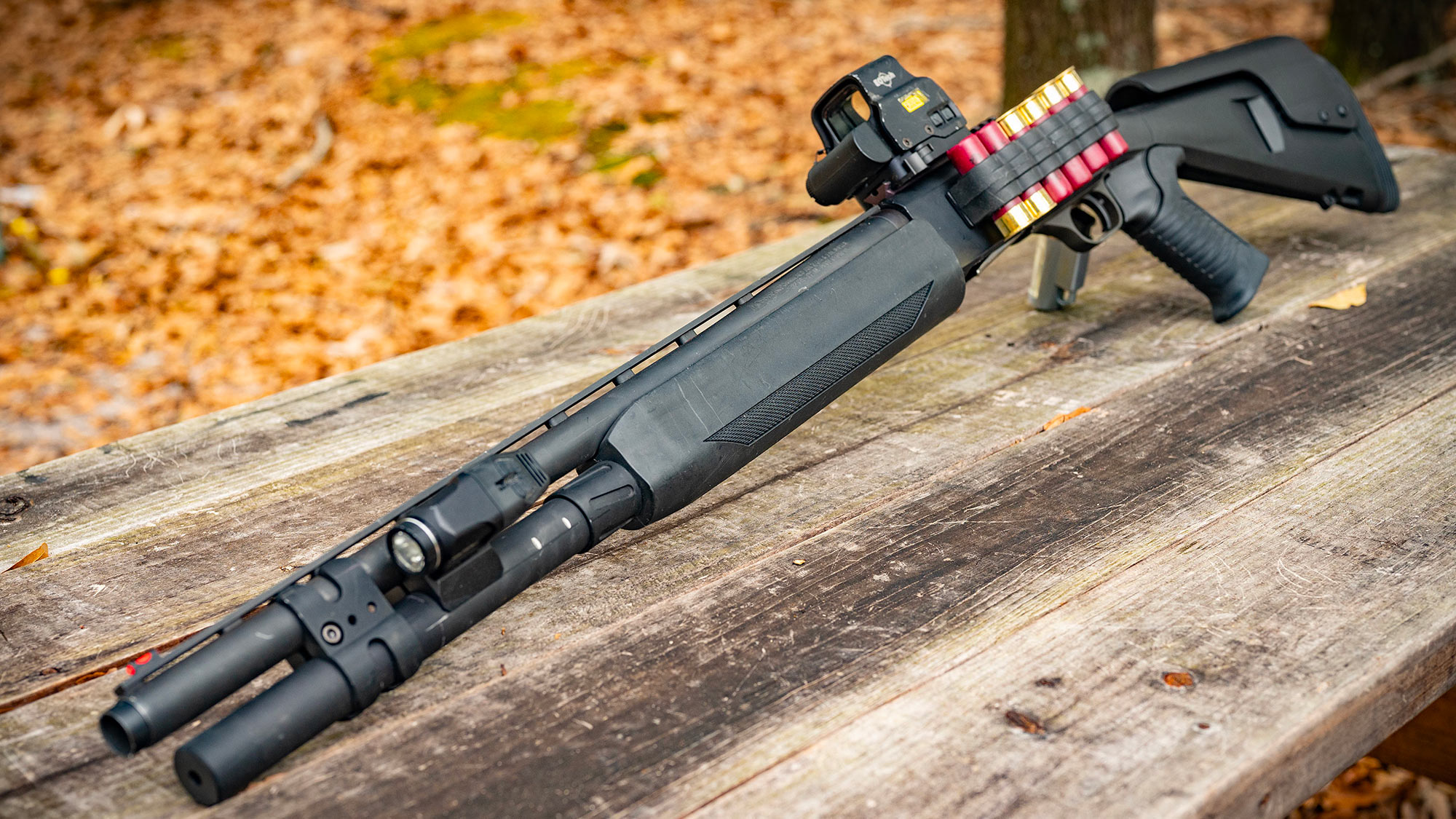
Gas-operated firearms, like piston guns and direct impingement firearms, siphon expanding gas from the barrel as the round travels through it. Because these guns only siphon a fraction of the expanding gases, the bolt’s rearward velocity is slowed, reducing felt recoil.
They also reduce felt recoil because some of the expanding gas that would typically exit the muzzle is siphoned rearward, so less of the round’s energy is translated directly into recoil.
The disadvantage of the design is that it tends to be less reliable than a simple inertia-driven gun because it’s more dependent on gas pressures. So if the weapon is fouled, the weather is freezing, or the shooter uses lower-dram ammo, the gun may not cycle properly.
Breech-Loaded
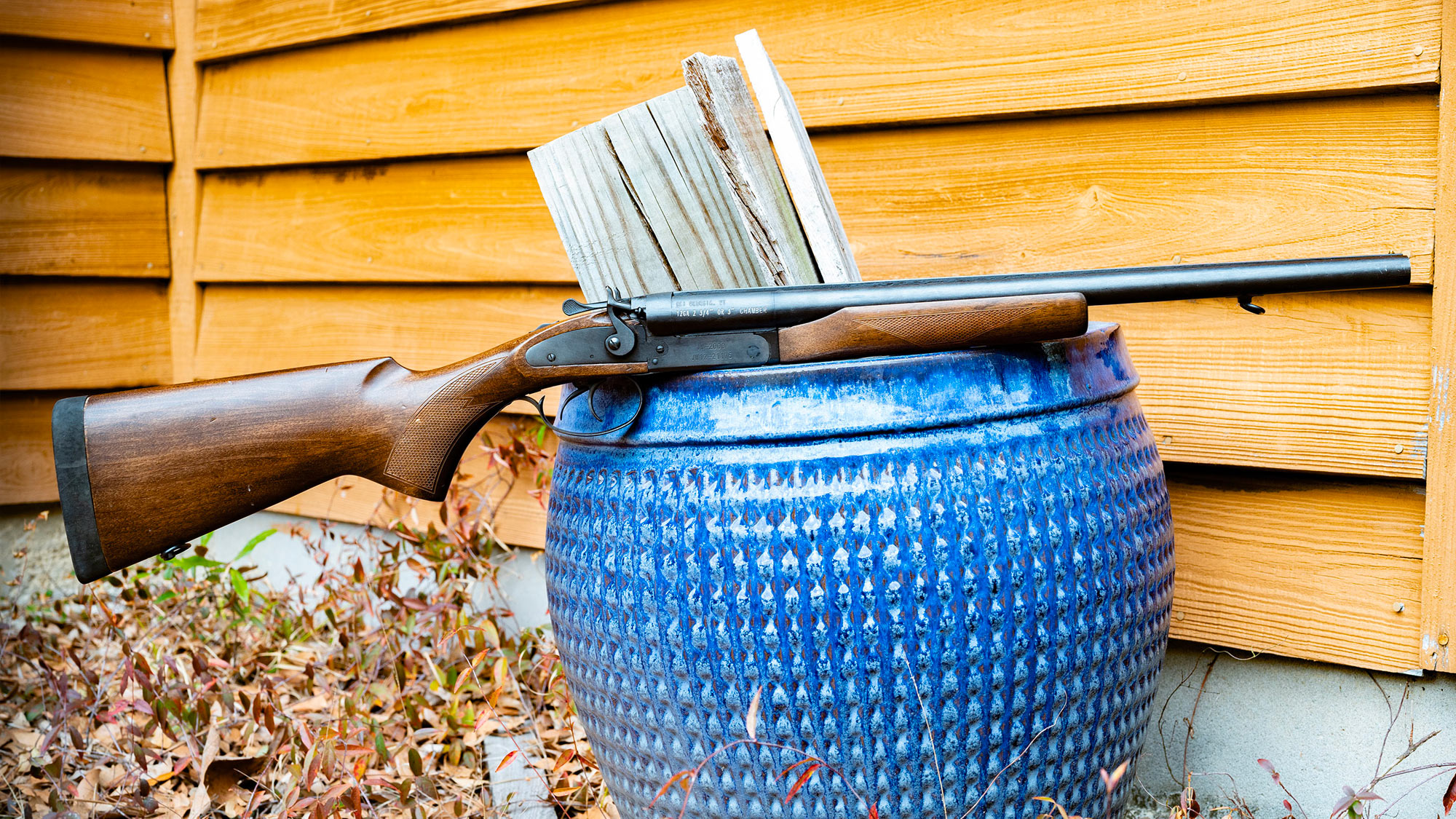
The least complicated manually operated shotgun is the breech-loader aka break-action shotgun. A favorite of trap and skeet shooters, these guns are extraordinarily light and typically sport two barrels. Some have two hammers and two triggers, but modern models allow the weapon to function effectively like a two-shot semi-automatic firearm.
Although reliable and lightweight, these guns are difficult to load quickly without practice. This is double true if your heart is pounding through your chest after hearing your door kicked in at two in the morning.
Another disadvantage of these guns - except coach guns - is their long barrels. These long barrels are great for hitting fast-moving small targets like clay pigeons at the range, but they also tighten the spread of the shot shell’s spread to the point that you might as well be firing a rifle. Not to mention that this extra length makes them awkward and unwieldy inside of confined spaces like homes or vehicles.
Lastly, most of these guns are cost-prohibitive. They often run twice the price of a decent pump-action shotgun.
Pump-Action
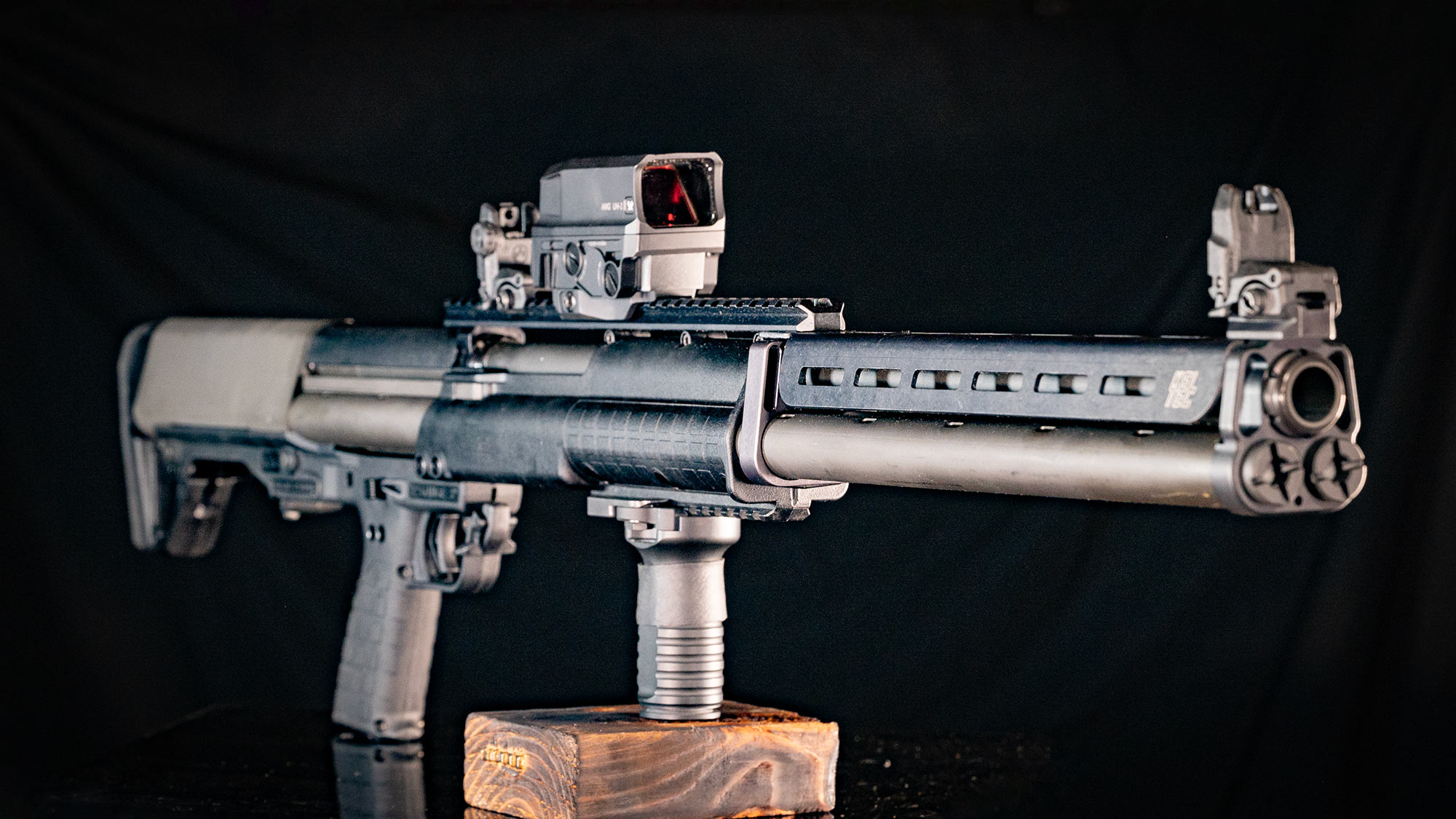
Pump-action shotguns are magazine-fed weapons that the shooter must work the pump to the rear and then forward to chamber a round after firing. They’re straightforward to use but require some training to ensure the shooter doesn’t short-stroke the action.
They’re affordable, with used quality guns often hovering around the $200 mark. And as I said before, they aren’t ammunition-sensitive at all. So, if you want to run a low-recoil buckshot, you can do so without fear of the gun malfunctioning.
The downside is that they have increased felt recoil and require practice to use effectively.
Lever-Action
Lever-action shotguns function similarly to pump-action ones, except that a shooter works a lever to chamber subsequent rounds instead of a pump. I would not recommend these guns for a few key reasons.
First, they’re much more complicated than pump-action shotguns and are more prone to breaking with moderate use. The second reason is price. There aren’t many modern lever-action shotguns, and the old 1887 pattern guns are very cost-prohibitive. In general, anything a lever-action shotgun can do, a pump-action can do cheaper and more reliably.
At this point, you have nearly every piece of information needed to make a decision, but there’s one last component that is often overlooked about these guns - the magazine.
Internal Magazine vs. Detachable Magazine
Magazines are arguably the lynchpin of reliability on any firearm. After all, if the gun can't reliably feed ammo from its magazine, it's just a heavy, expensive single-shot weapon.
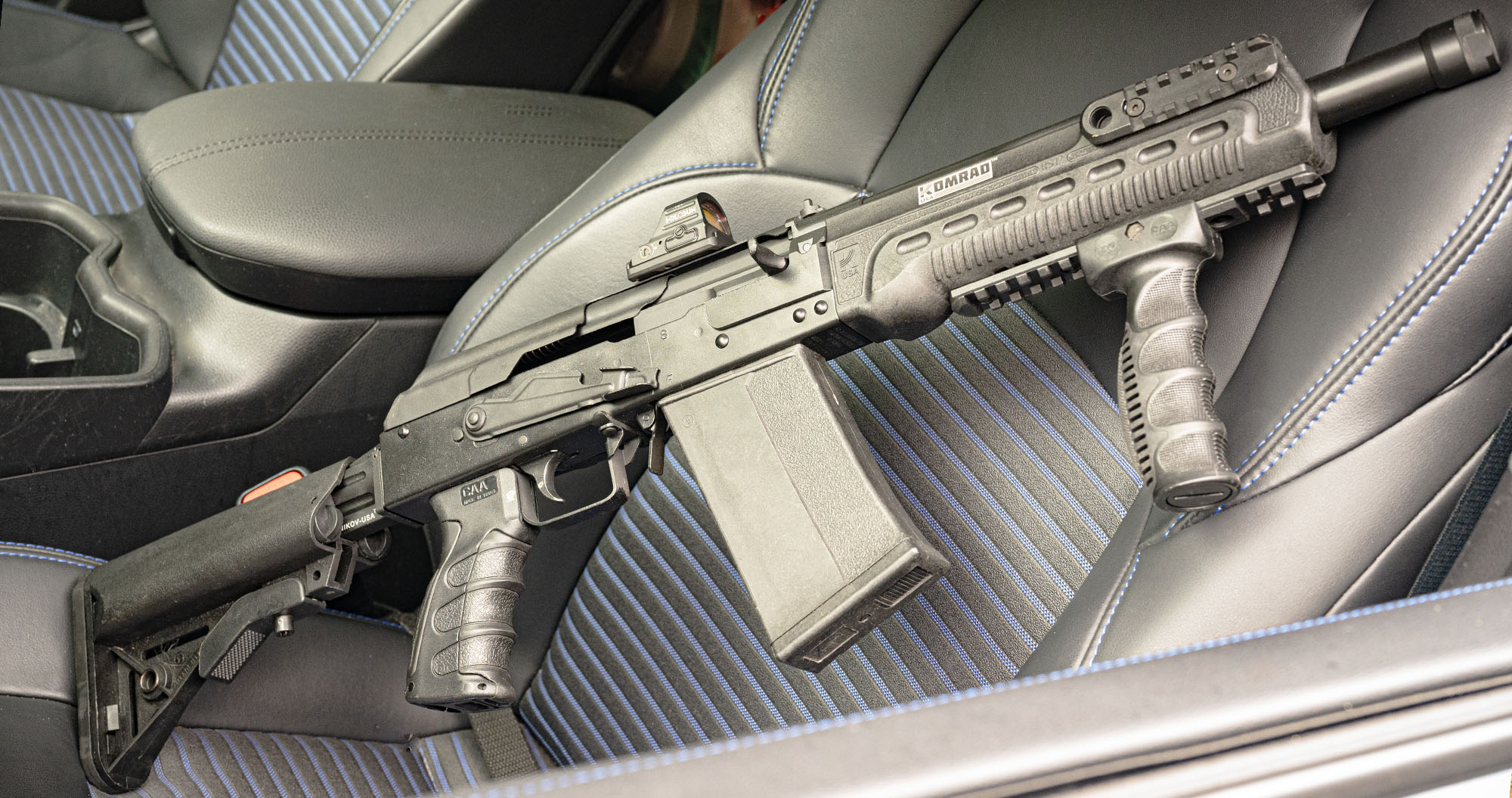
Until recently, if a shooter was talking about a detachable magazine-fed shotgun, they were talking about either a Russian Saiga or Vepr. These long-stroke piston-driven shotguns were the only game in town for nearly two decades on the American market. But with Turkish imports flooding the US gun market today, that's no longer the case.
The advantages of a detachable magazine are pretty straightforward:
- A shooter can quickly replenish the entire magazine's worth of shotgun shells in a few seconds versus having to load each round independently VIA a loading gate.
- This is vastly easier to do in low light conditions or when under stress compared to fumbling with individual shells. Yes, pro shooters can load two, three, and even four rounds at a time, but if you're reading this, chances are you aren't a professional three-gun shotgun champion.
The disadvantages of using detachable magazines are reliability, weight, and bulk. A colossal drum hanging off your Saiga looks intimidating, but it can double the gun's weight and make it difficult to maneuver inside a house or vehicle. Plus, these magazines can be challenging to load into the weapon without practice, and if damaged, they can render your gun useless. So, if you decide to pick a detachable magazine shotgun, be sure to buy extra magazines and test the gun thoroughly before committing it to your home defense weapon role.
Conclusion
A pump-action shotgun with an internal magazine of no less than five rounds, with a cylinder choke (meaning, no choke), loaded with quality defensive double ought buckshot, is a near-guaranteed fight-stopper. Nothing in North America can take a close-range direct hit from this setup without being significantly damaged. Plus, any two-legged attacker will likely be down for the count.
Does that mean that I wouldn’t use a semi-automatic shotgun for self-defense? No. This will be a turn-key solution for the average or new shooter. A quality auto-loader from a reputable company (ideally one from Italy) is even more effective for more advanced shooters. But if you commit a semi-auto shotgun to this role, test it with no fewer than 50 rounds of your chosen defensive ammo first. Yes, buckshot is expensive. But wouldn’t you instead find out that your new shotgun isn’t reliable enough while shooting paper rather than dealing with an armed attacker at three in the morning?