
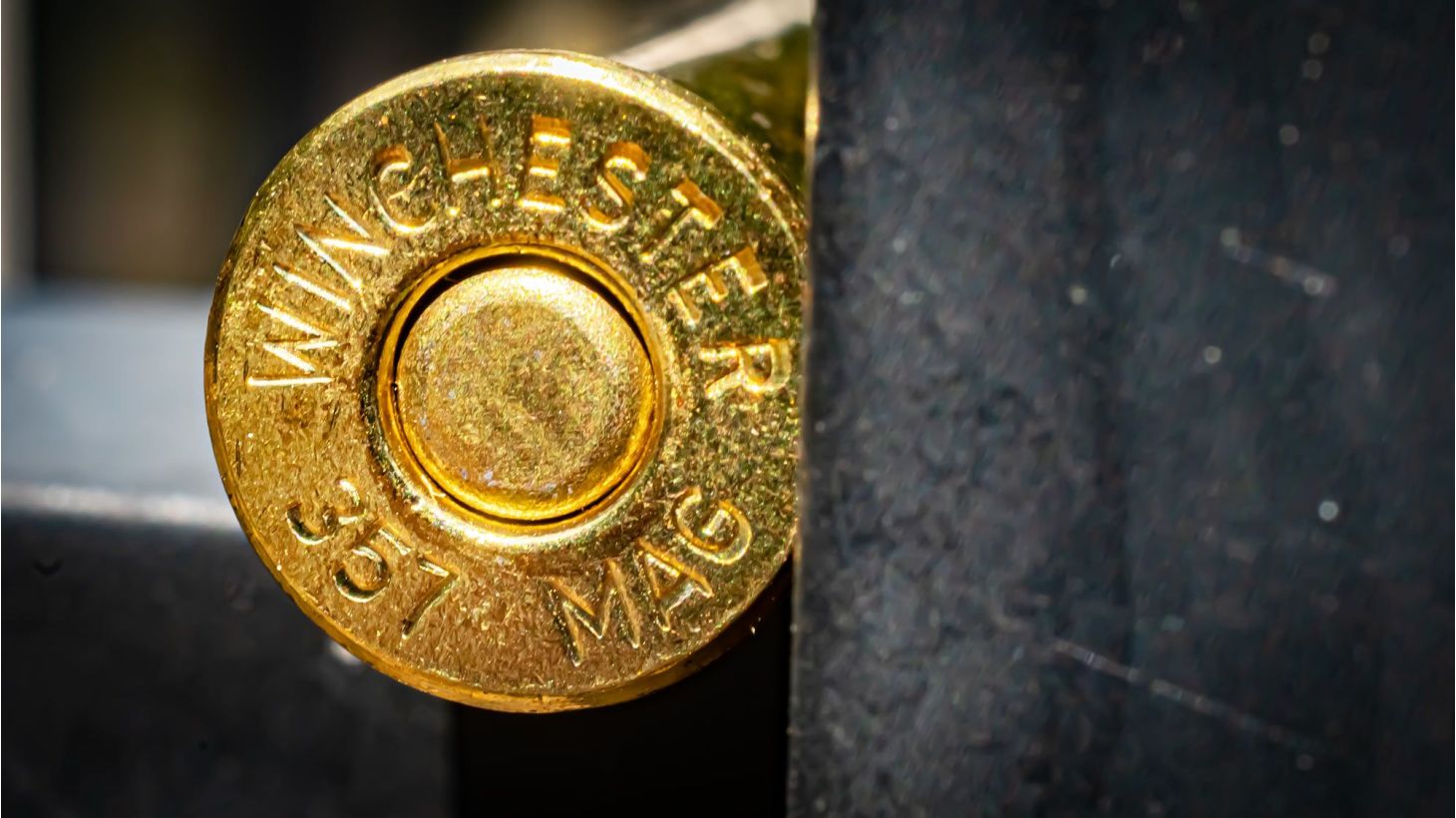
When people think of the term Magnum, it conjures images of bigger, badder, more powerful things. Most people immediately think of the .357 Magnum, which is considered the father of all modern Magnum cartridges.
But what exactly is a Magnum cartridge? And how did a 90-year-old pistol round have such a tremendous influence on firearms technology today? Let’s take a closer look at Magnum cartridges and find out more.
What is a Magnum Rifle?
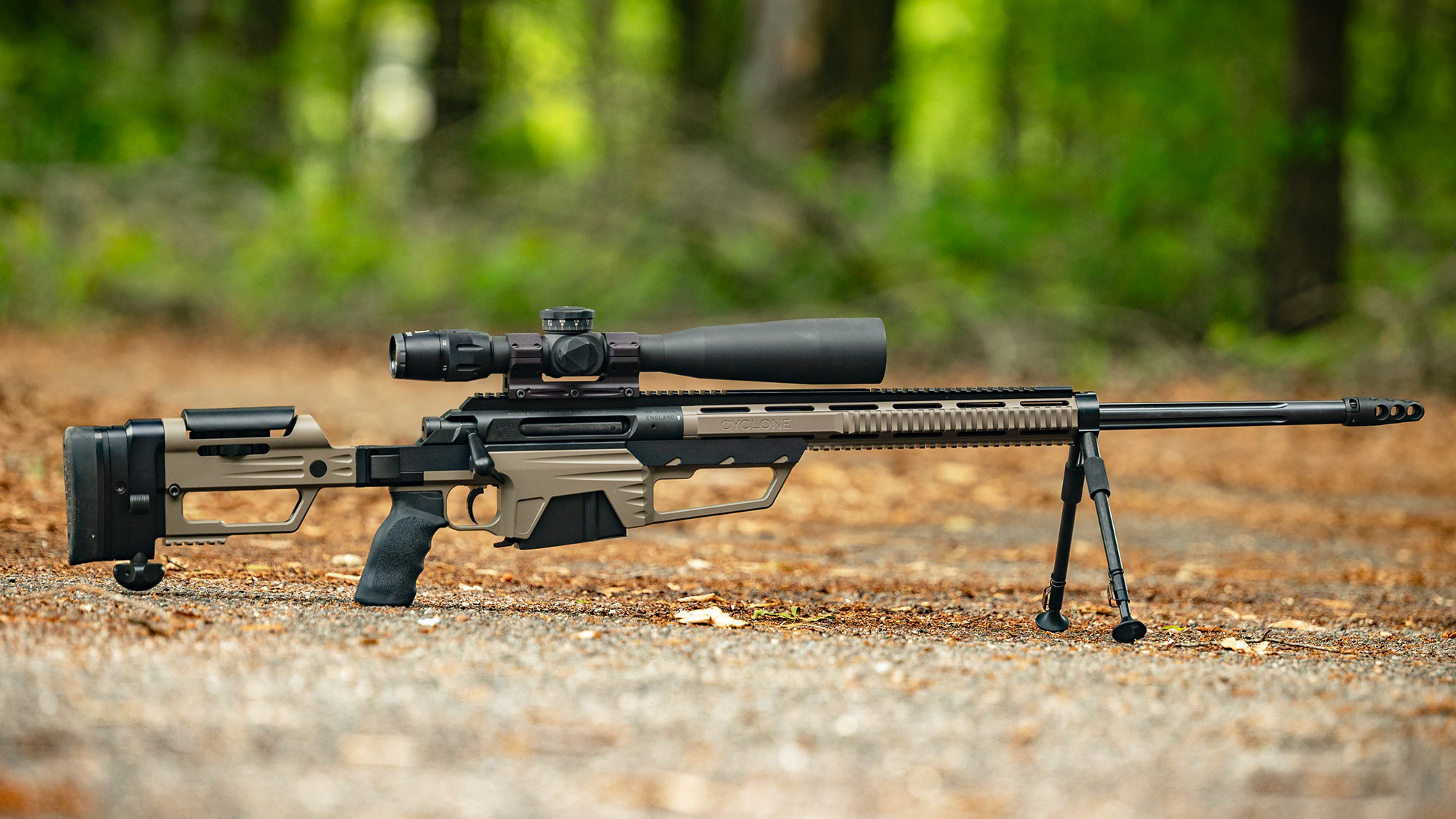
The term Magnum is derived from the Latin word Magnus, which means great. It entered the modern lexicon in the 18th century as a reference to large wine bottles.
In the world of firearms, anything labeled “Magnum” is a more powerful version of an existing cartridge. For example, the .357 Magnum is a supercharged .38 Special designed to offer superior terminal ballistics over the older revolver cartridge. More than that, the rounds are higher velocity, high pressure, and generally just more powerful versions of the host round.
They often carry a distinct name over their host round to ensure an inexperienced shooter doesn’t try to chamber the more powerful round in a gun that can’t handle the increased pressure. Most modern Magnum rounds even make the overall length of the round bigger to physically prevent this from happening. That’s why, despite both the .38 Special and the .357 Magnum having identical bullet diameters, the .357 Magnum is 0.04 inches longer than the 38.
While both of these rounds can be found in lever-action rifles (and even an old Ruger M77 bolt-action carbine), they aren’t true rifle calibers. In fact, the first true Magnum round wasn’t actually the .357 Magnum - that was simply the most prolific. The honor of the first Magnum round belongs to the .375 Holland & Holland Magnum.
Developed in 1912, the .375 H&H Magnum is widely considered the most versatile cartridge on the planet. With its 300gr bullet pushing nearly 2,600 fps and generating 4,363 foot-pounds of energy, nothing on two- or four-legs on planet Earth can withstand a direct hit from the round.
The venerable 300 Winchester Magnum is a much more common Magnum rifle cartridge. The .300 Win Mag was developed because previous Magnum rifle cartridges’ size prevented them from fitting into a long-action Mauser.
If a shooter wanted something extremely powerful for dangerous game or African safaris like the 375 H&H Magnum, their options were limited to rolling blocks and breech-loaders. Despite being much smaller than .375 H&H, 300 Win Mag is no slouch, sporting 50 percent more power than .308 Win!
What is the Most Powerful Magnum Round?
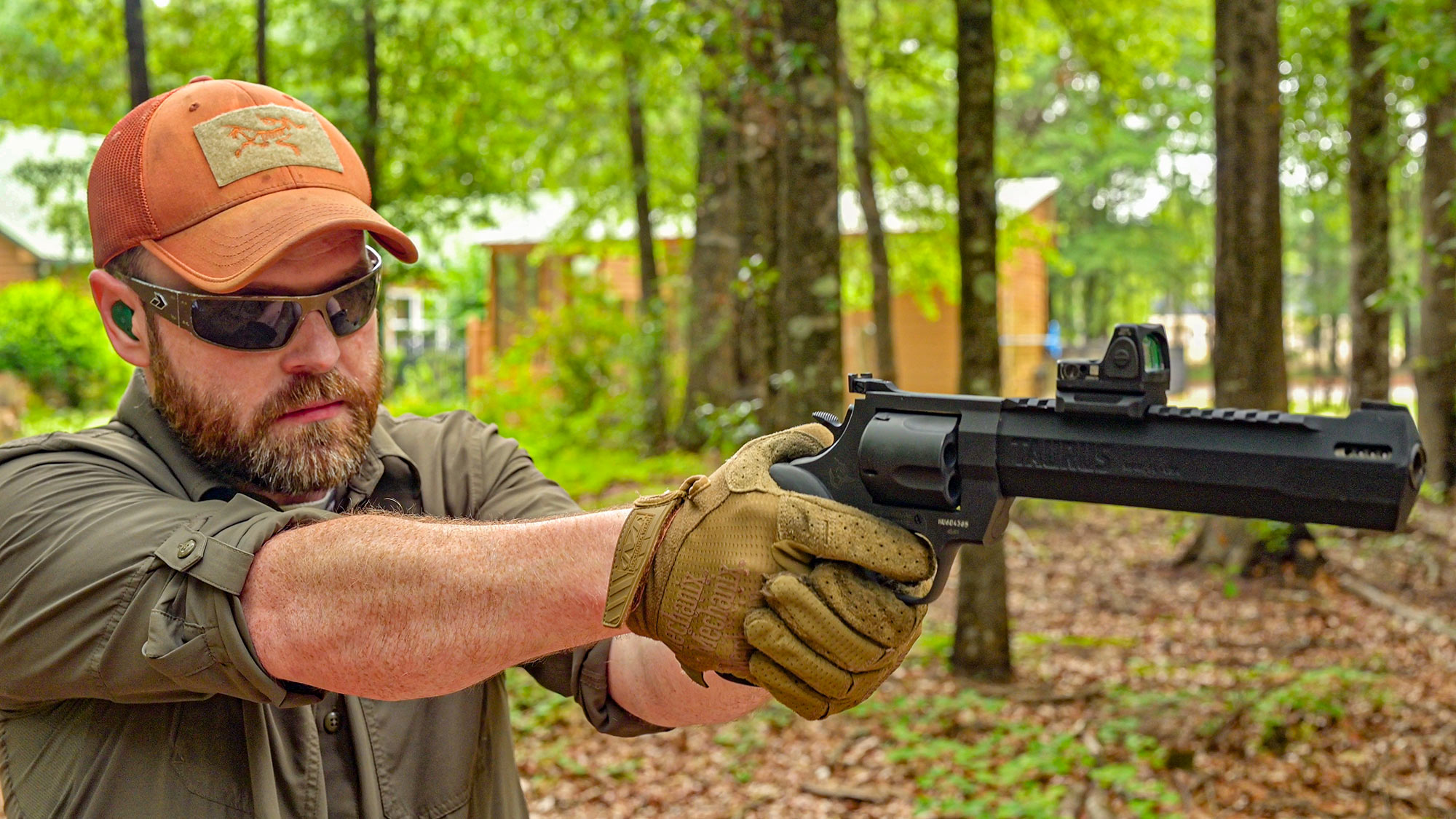
Have you ever wondered what it’s like to shoulder a howitzer? To transform yourself into an M1 Abrahms Main Battle Tank and unleash a level of ballistic fury that would bring a smile to General Patton’s face even from beyond the grave? Look no further than the .700 Nitro Express.
While not technically a Magnum cartridge, it certainly meets all the requirements of the standard definition. With a case that holds six times as much powder as a 308 Win round and firing a 1,000gr bullet at 2,000 fps, 700 Nitro Express is the king of all sporting rifle rounds. Safari hunters have reported that nearly every elephant bull shot with one of these massive rounds drops with the first hit and within seconds of the round landing.
This makes sense; the massive 70-caliber bullet generates an astounding 9,000 foot-pounds of energy at the muzzle! To put that into perspective, it would be like a target getting hit with four 308 or seven 5.56mm rounds simultaneously - in the exact same location.
Unsurprisingly, the massive 700 Nitro Express generates an absurd amount of recoil. So much so that pound-for-pound, a gun of equivalent weight would generate ten times as much recoil firing a .700 Nitro Express as a .308 Winchester round. Another downside to the round is cost: each .700 Nitro Express cartridge costs around $100. So unless your last name is Trump, Gates, or Soros, you likely can’t afford to plink with the gun at the range.
The 458 Winchester Magnum is a more affordable, albeit still extremely powerful, Magnum rifle round. This round is designed for hunting what African big game hunters refer to as “The Big Five.” These are lions, leopards, rhinoceros, elephants, and African buffalos—the biggest, strongest, and most dangerous animals to hunt on the African continent.
But what about more common magnum rounds, like .357 Magnum?
What is a 357 Magnum good for?
Developed in 1935, the .357 Magnum was the perfect gun for prohibition-era American law enforcement. Essentially, it was made to defeat the ubiquitous steel car doors of the era. Since most armed criminals utilized a vehicle to abscond from bank heists, these were a common occurrence in gunfights between gangsters and police officers of the time.
This might make you wonder what good they are for modern shooters who aren’t likely to encounter armed adversaries driving around in steel vehicles. The simple answer is power. While the .357 Magnum’s increased power over the more common .38 special revolver round makes it more effective at defeating hardened surfaces, it also causes better expansion and penetration in softer targets.
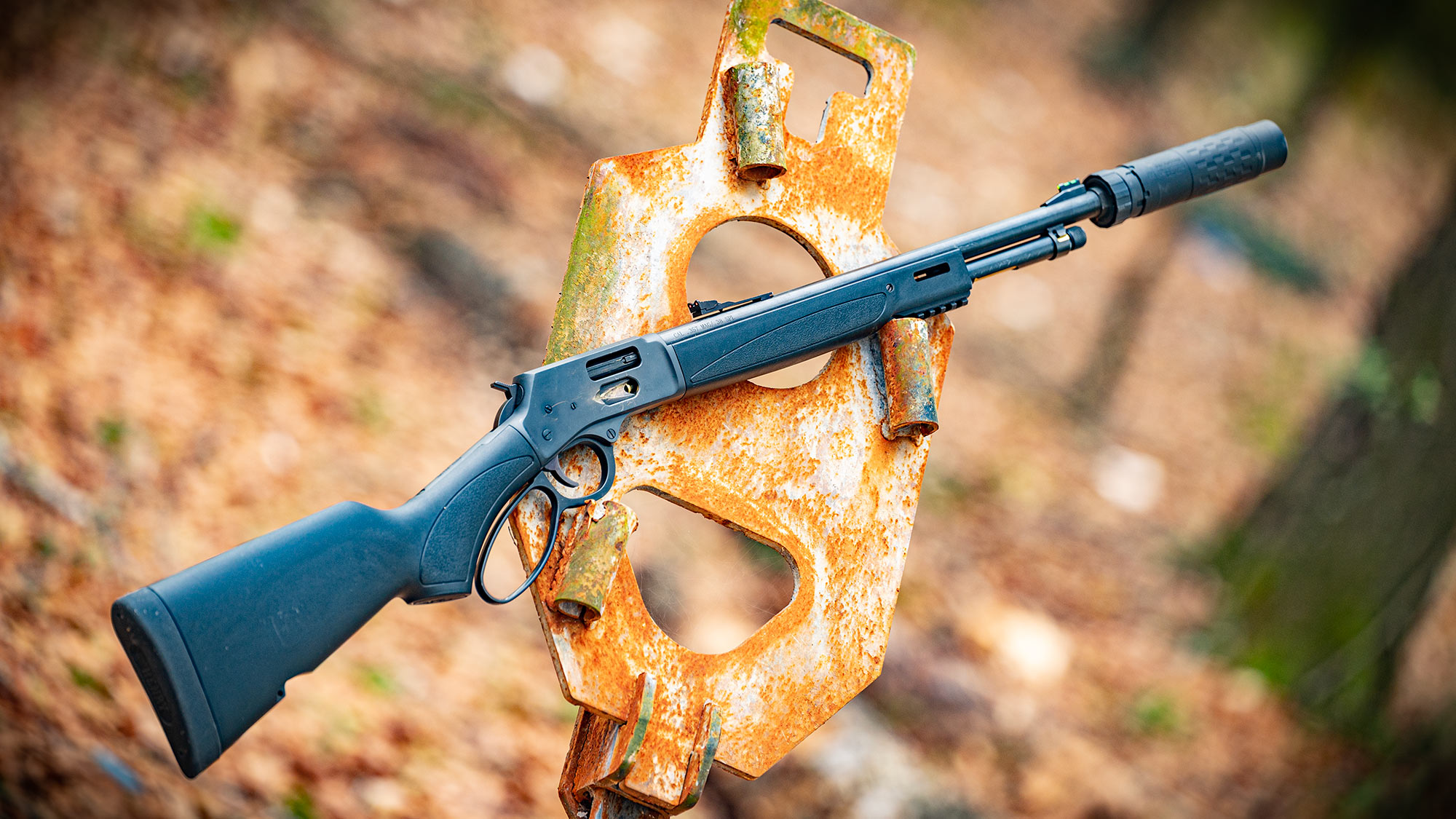
This translates into better stopping power for shooters for two- and four-legged opponents. The .357 Magnum round makes a formidable hunting round when fired from either a pistol or a carbine. I like lever-action carbines chambered in the round, as they offer excellent power in a controllable package. These carbines are even better when paired with a revolver in the same caliber since they can share ammunition readily. It makes for a fantastic hiking or bugout setup that won’t raise eyebrows.
Another advantage of this round is that weapons chambered in it can fire the softer-shooting, more affordable .38 Special. So, if you want to practice with 38s before graduating to the big boy magnum round, you have that option.
And while .357 Magnum is no slouch when it comes to power, shooters will need to kick it up a notch if they want something that can reliably stop large, dangerous game like bears. For that, they need a .44 Magnum.
Is a 44 Magnum good for self-defense?
Yes, absolutely. But there is a caveat: .44 Magnum is an excellent fight-stopping, bear-slaying round, but this same power also means it doesn’t like stopping. Not in plywood or drywall. The other downside to the round is its massive recoil impulse.
Dirty Harry loves this gun, but if you’re a new shooter or a smaller-statured one, most guns chambered in .44 Magnum will be a little too much for you to handle. Not impossible, mind you, but becoming proficient with a .44 Magnum requires dedication and a fat wallet.
I say this because the massive felt recoil of a handgun chambered in .44 Magnum is likely to make new shooters form bad habits. Habits like preemptively flinching due to the sharp kick of the round.
That said, there are some noteworthy exceptions to this rule. For example, the massive, iconic Desert Eagle does a fantastic job of taming the round’s recoil by virtue of its direct impingement operating system and remarkable heft. That, and the fact that most modern Desert Eagles include a built-in compensator that diverts much of the gas skyward to push your muzzle back down.
But to me, where .44 Magnum shines is in a shoulder-fired weapon. Lever-actions like old Marlins or modern Henrys make the round feel more like .308 Win by adding weight and additional points of contact. Plus, most of these guns have a provision to attach an optic, which really helps shooters place precise shots on targets at a distance. Not to mention, the increased barrel length increases the muzzle velocity and, thus, the terminal efficacy of the round.
Like the .357 Magnum I mentioned earlier, the .44 Magnum is a great round to chamber both a revolver and a lever-action rifle in since they can share ammo.
However, as I mentioned at the beginning of this section, overpenetration is a genuine concern. As a home-defense weapon, I would heavily advise against it unless you live alone and have no neighbors. But if you live on a farm and want a round that can take any predator that seeks to harm your livestock, few rounds are as powerful or effective at neutralizing threats in a single shot as a .44 Magnum.
And there you have it. Yes, there are other Magnum rounds available today, but those are the most common ones you’ll encounter, and now you have a solid understanding of what these rounds are and what they’re capable of. In the simplest terms, a Magnum round is simply a cartridge with increased case capacity that tends to feature increased power to stretch the effective range and overall efficacy of a base caliber.
