

The AR-15 is probably the most user-friendly rifle in history. It breaks down into simple components without the use of expensive tools, and is really like “Lego’s” for adults! It is easy to put together, customizable and can be a really fun hobby. Although manufacturers have been building firearms better now than at any point in history, many of us, like with Legos, want to make our own improvements and modifications. This could be to add a personal touch or to meet a certain goal. Outside of stocks, rails, or pistol grips, this is most often the rifle’s trigger.
Many casual shooters have no objection to the trigger installed on a factory rifle. Most factory triggers are adequate and safe, particularly for the crowd that shoots their rifles once a year for fun. However, as these people move from the novice stage and get serious about hunting and shooting they may find the factory AR-15 trigger to be a bit lacking.
I’ve often said that the heart of a rifle is its barrel but the trigger is its soul. Once you find the perfect trigger for your rifle that statement will make all the sense in the world. Before we take a look at how to install a trigger, let’s explore the different styles of triggers and suggestions for each.
Mil-spec Triggers
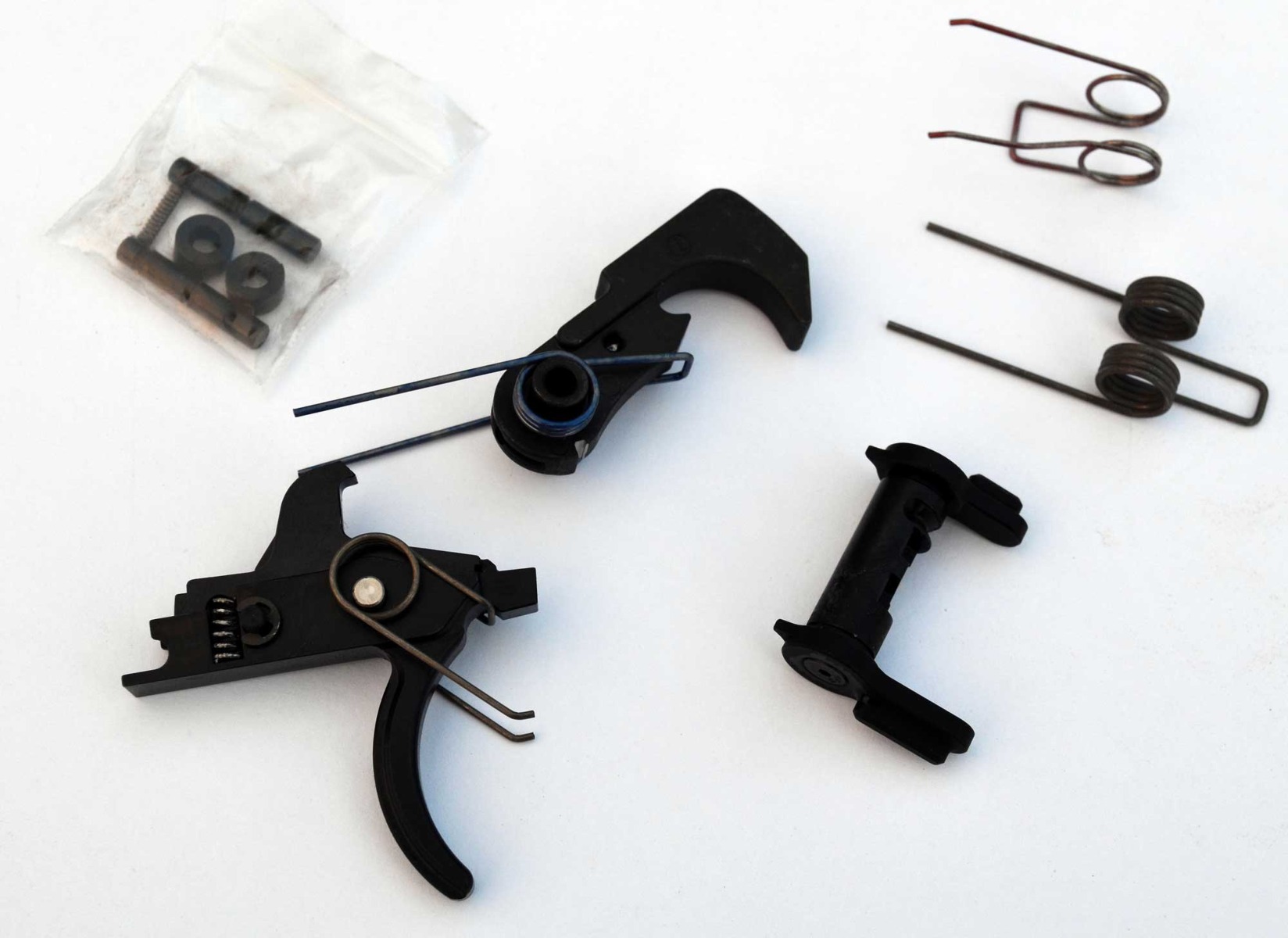
In most cases, your rifle shipped with a mil-spec trigger group. Most complete lower parts kits ship with this assembly too, but quite a few manufacturers left the fire control unit out so they could sell lower receiver parts kits at a cheaper price and the fact that most builders replace these parts anyway.
There is nothing completely wrong with the mil-spec fire control group; in fact, some manufacturers go the extra step and will polish and hand fit these components. If you’re looking for a poor man’s trigger job, you can often buy mil-spec fire control parts with polished components for as cheap as $50.
Single-Stage Triggers
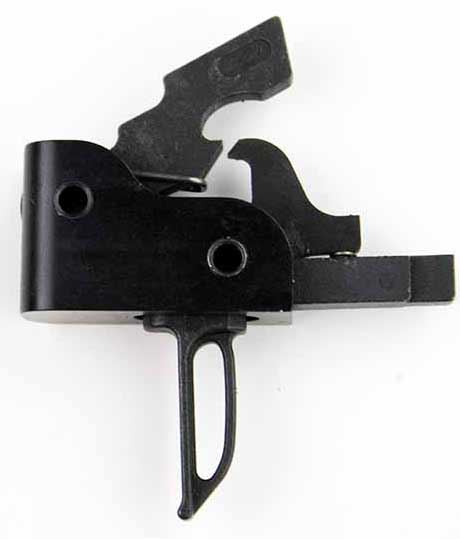
Probably the most common stock trigger shipped with a new rifle is a single-stage. Yes, the mil-spec triggers we just mentioned are single-stage. As its name suggests, the shooter squeezes the trigger and it drops the hammer which hits the firing pin and fires the round in the chamber.
Single-stage triggers are the most common trigger that comes stock from the factory. The typical AR trigger set up in the fire control group includes the trigger, hammer, sear, selector lever, hammer spring, trigger spring, and the hammer and trigger pins.
Sometimes there can be slight tolerance differences in these parts that cause them to feel gritty, too heavy, or even too light. So the first type of replacement trigger that most shooters look to is a good single stage that is smooth or light.
Palmetto State Armory offers an outstanding version called the AR Match Grade 3.5 lb Trigger. It is sold as a trigger pack which includes the hammer, trigger, sear, hammer, and trigger springs, and a set of anti-walk pins. It is seated within a drop-in aluminum housing. This is referred to as a “Drop-In” trigger, as you just have to drop it in the trigger housing of the lower receiver and simply install the trigger and hammer pins.
This trigger is preset to break at 3.5 lbs as the name suggests and has a quick reset for follow-up shots. The face of the trigger is flat and this style seems to be preferred by 3-gun competition shooters as the profile is similar to a semi-auto pistol. It has a retail price of $119.99.
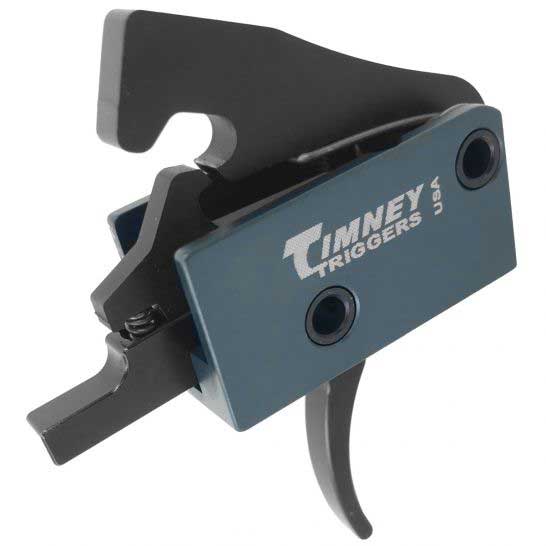
Another source for a reliable drop-in single-stage trigger is Timney Triggers. Timney offers close to 200 types of triggers for a wide variety of firearms from shotguns and Mausers to Ruger 1022s and of course the AR-15. One of the biggest advantages of Timney triggers is that the drop-in trigger secures by means of standard factory hammer and trigger pins without the need for set screws, washers, shims or anything else.
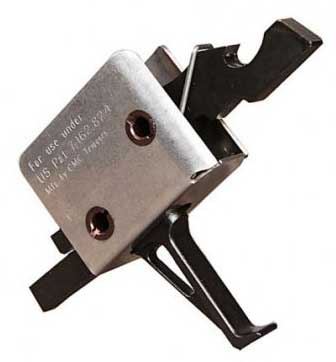
CMC Triggers perhaps made the first drop-in AR single-stage trigger and offers them in a variety of weights ranging from 2.5 lbs to 6.5 lbs. They manufacture them in a variety of anodized colors as well.
Geissele offers a few single-stage triggers, but the company is perhaps best known for its fantastic two-stage triggers, which we will look at next.
Two-Stage Triggers
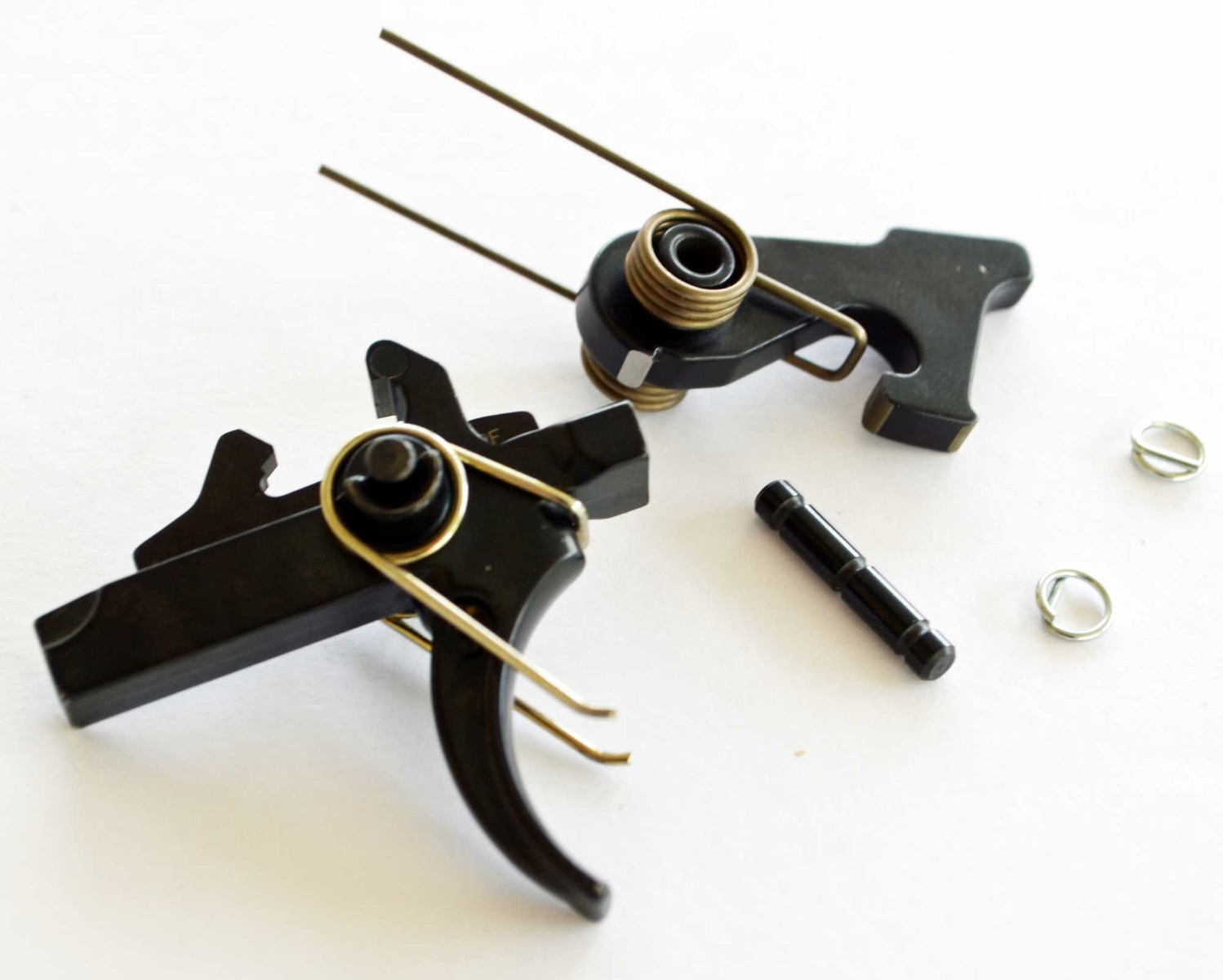
One of the triggers that serious target shooters and hunters look to is the two-stage trigger. In this case, the trigger’s action is split into two. The first action of the trigger takes up the slack and allows the second stage to make a nice clean break.
Two-stage triggers tend to be preferred by hunters and target shooters for precision work. They have a slight learning curve for those who are unfamiliar with them but in most cases, the improvement in accuracy is noticed immediately.
Geissele offers a large variety of two-stage triggers and it is worth time to browse their site if you have a specific need. Other companies that offer two-stage triggers are Timney, Jard Inc., and CMC Triggers.
What distinguishes these models from each other is the weight on the first part of the pull and the second. Some of these can go as low as 13 ounces on the second stage. This can take a bit of trial and error in the quest for the right trigger. Some gun shops and sporting goods stores may have displays that include an AR lower that has a company’s trigger set up in a unit to allow customers to try them out. Aside from that, the other way to try without buying is to try out a rifle owned by a friend that may have a trigger installed similar to what you have in mind.
The two-stage trigger is commonly used by military special operations units. They are built slightly differently as military units use a select-fire(burst or fully automatic) weapon that includes an auto sear. Generally speaking, full-auto trigger systems are banned for civilian ownership. There are exemptions for police, military, and Special Occupation Taxpayers (SOT) who build these firearms but the average citizen cannot legally own them if they were made after 1986.
Binary Trigger
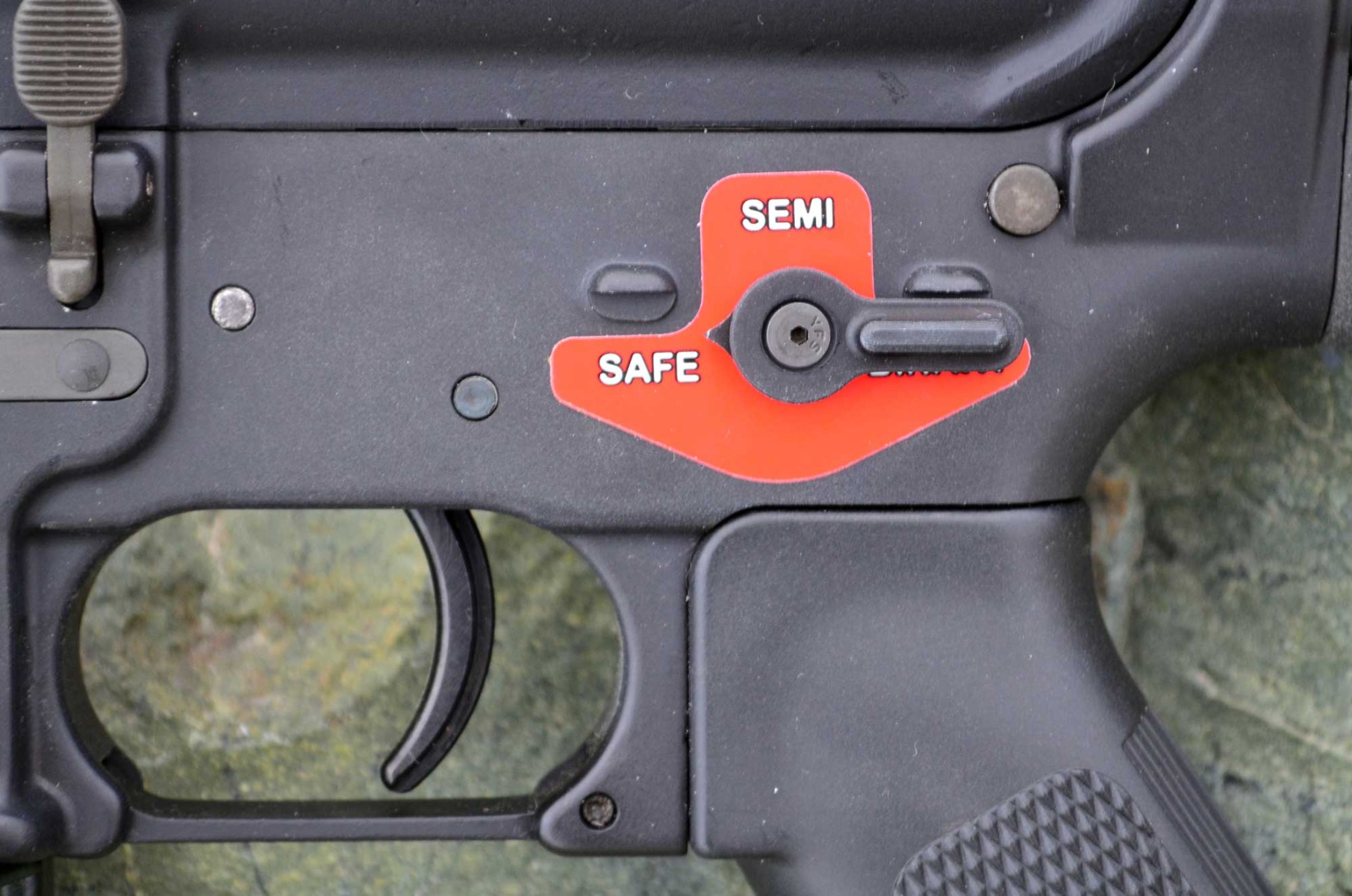
A binary trigger like the Franklin Armory BFS Trigger works as its name suggests, by two separate actions of the finger on the trigger. The rifle fires normally with the first squeeze and then fires a second time upon the release of the trigger back to the forward position. This action is accomplished by moving the selector to the third position so that the rifle has three modes: safe, semiautomatic, and binary.
Franklin Armory advises attaching the included sticker to the lower on which you are using. Installation is not that bad if you read the instructions carefully and understand what you are getting into beforehand.
Another brand of binary trigger that is popular is the Fosstech Echo. The mode of operation is similar to the Franklin Armory BFS, but it is built a little differently using three sears.
Both triggers can be taken out of binary mode by moving the selector back to the semi position after taking the first shot.
There's always a little bad to go along with the good and the BFS and the Echo are not available for civilian sales to certain states and localities. Federally, binary triggers are legal. These states and localities have restrictions that go above and beyond Federal Law.
Franklin Armory’s BFS III represents a unique but fun experience when shooting! One must take caution when utilizing this tool since it adds another level of responsibility to the firearm.
Digital Trigger
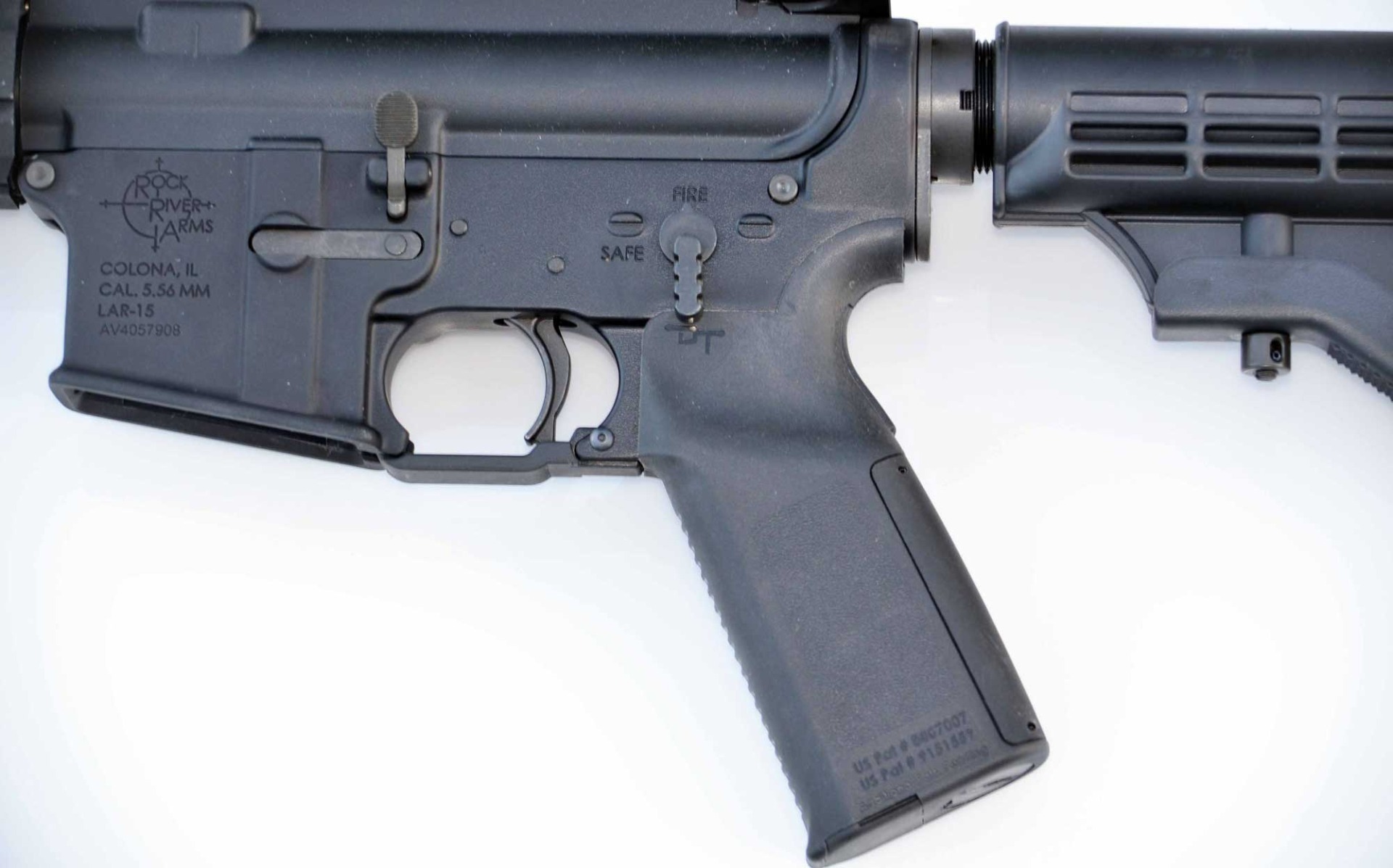
The Digi-Trigger is a type of adjustable binary trigger system that operates off of a microprocessor. When the 9-Volt battery that allows the Digi-Trigger to operate loses power the trigger performs like a standard military-grade trigger. When powered up, the microprocessor allows the trigger to perform at a lower setting or function in a binary mode.
One issue we encountered with the Digi-Trigger was using an Energizer battery as opposed to the company’s recommendation of using a Duracell. Apparently, the copper-topped battery makes for better conduction in the circuit and other brands do not.
Now that we have taken a look at a broad range of triggers, let’s focus on the installation of the most common type of triggers, single and two-stage.
Installing a Trigger
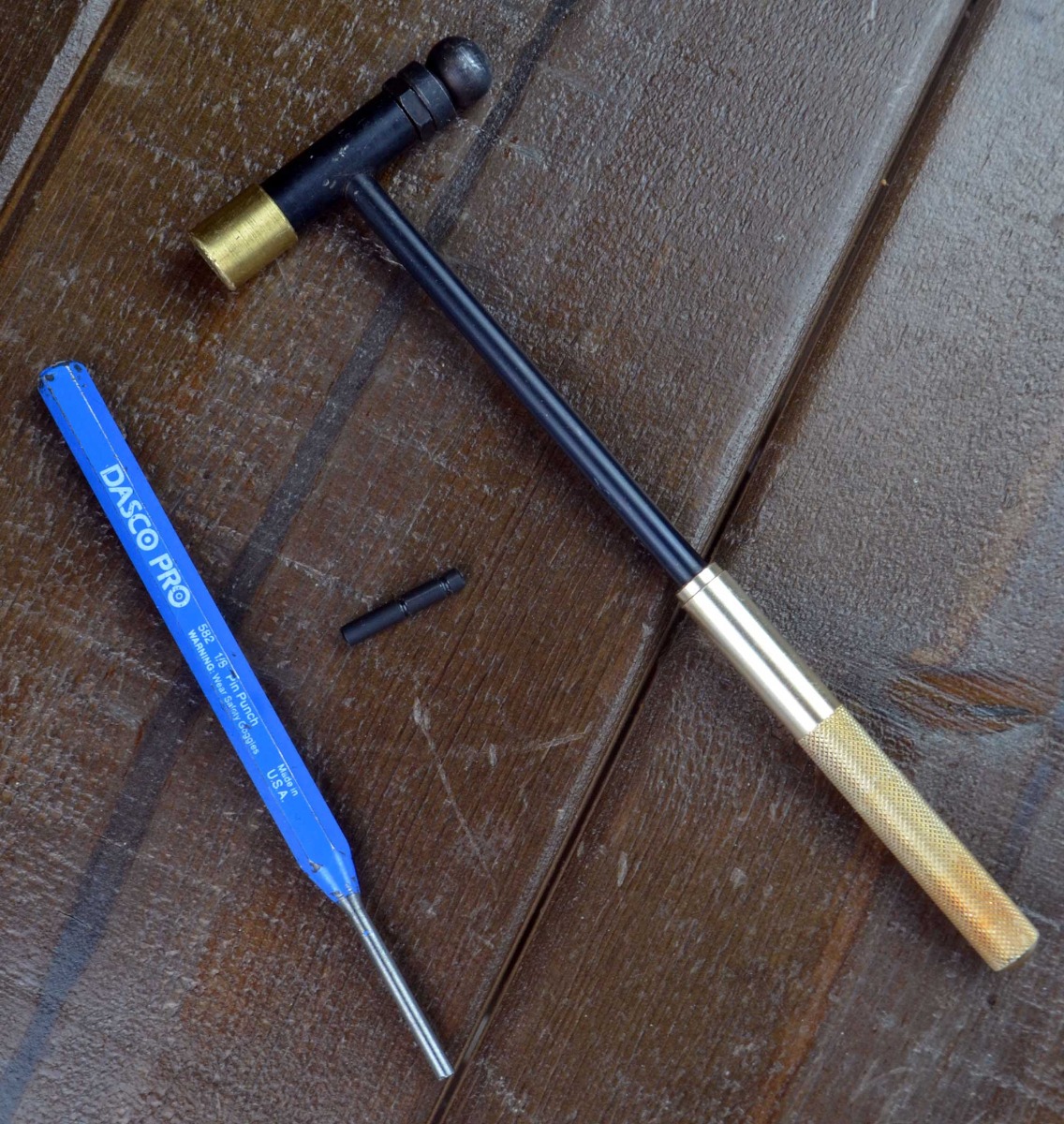
Whether you are building a stripped lower receiver or replacing the trigger on an existing AR, the process is the same. The trigger group is secured by two pins:
- Hammer pin
- Trigger pin
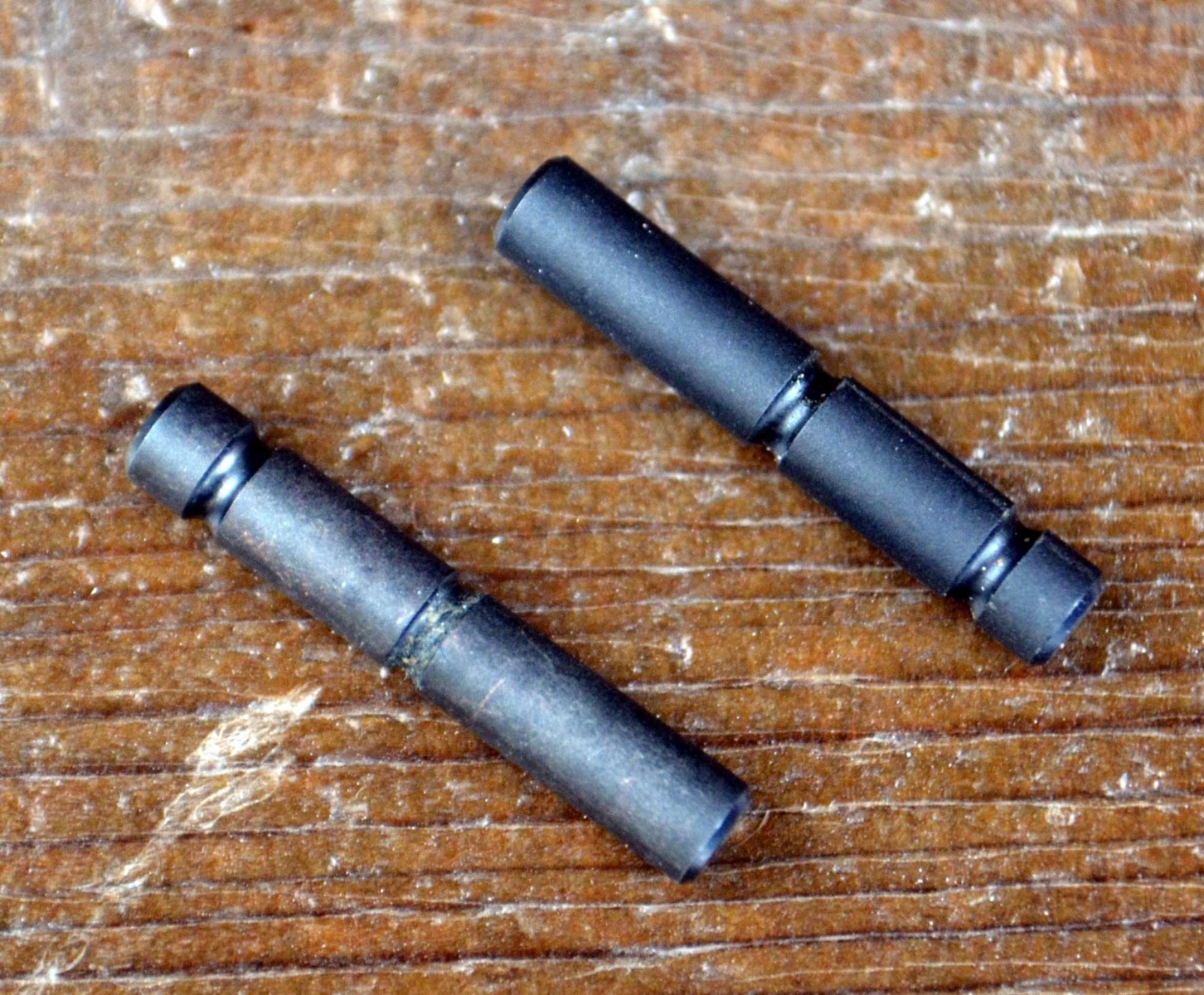
If you are looking at a mil-spec trigger group or an aftermarket trigger that is not in a drop-in unit, you will need to put the trigger and its spring in first. It goes inside the receiver with the hole in the trigger in line with the bottom holes in the receiver.
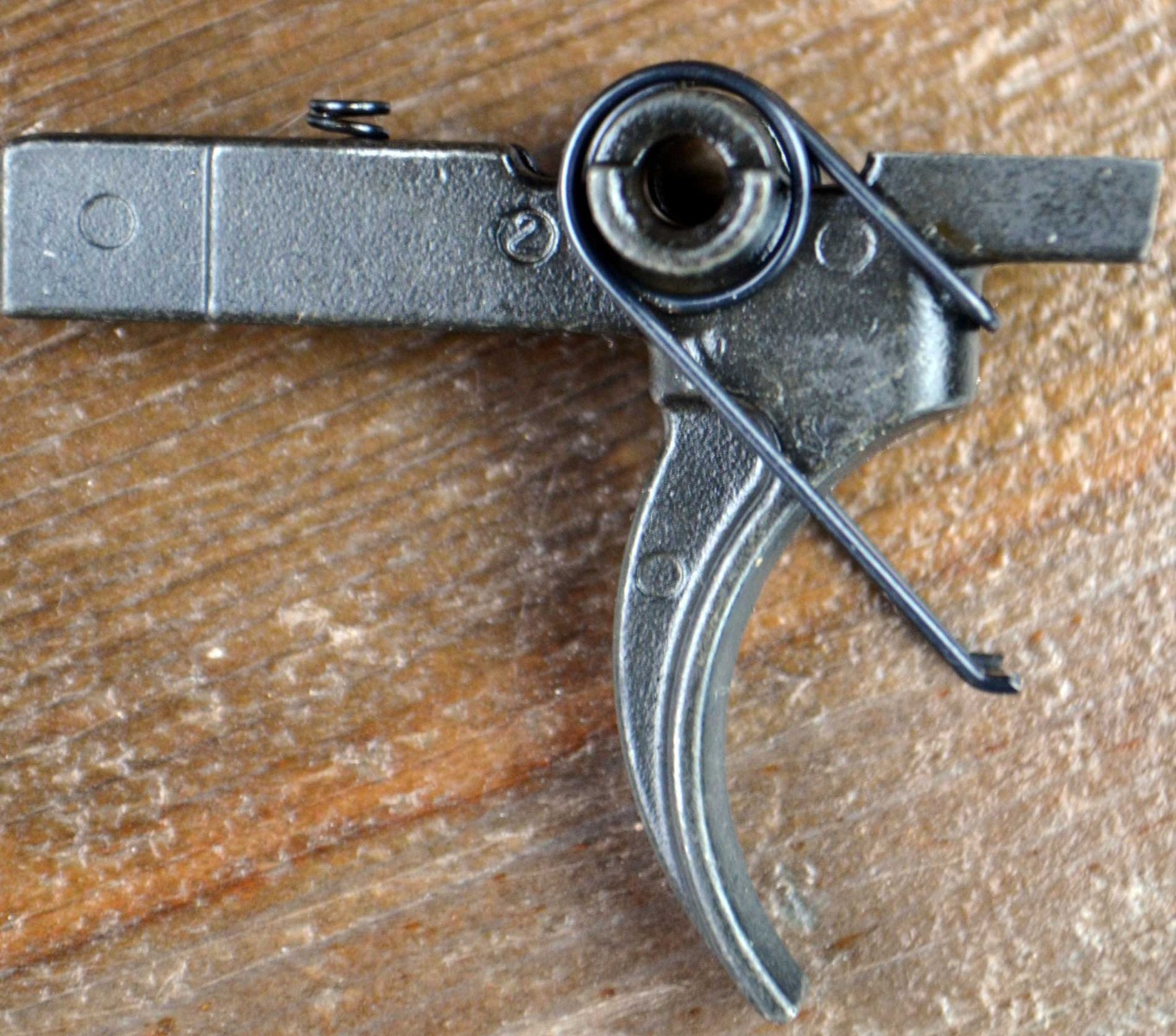
Ensure the trigger spring’s legs go against the receiver and not through the trigger’s hole in the bottom of the receiver. The disconnector goes in on top of the trigger with the hole in the bottom of this piece in line with the hole in the trigger. The trigger pin goes in through the side of the receiver and the holes in the trigger and disconnector to secure it in place.
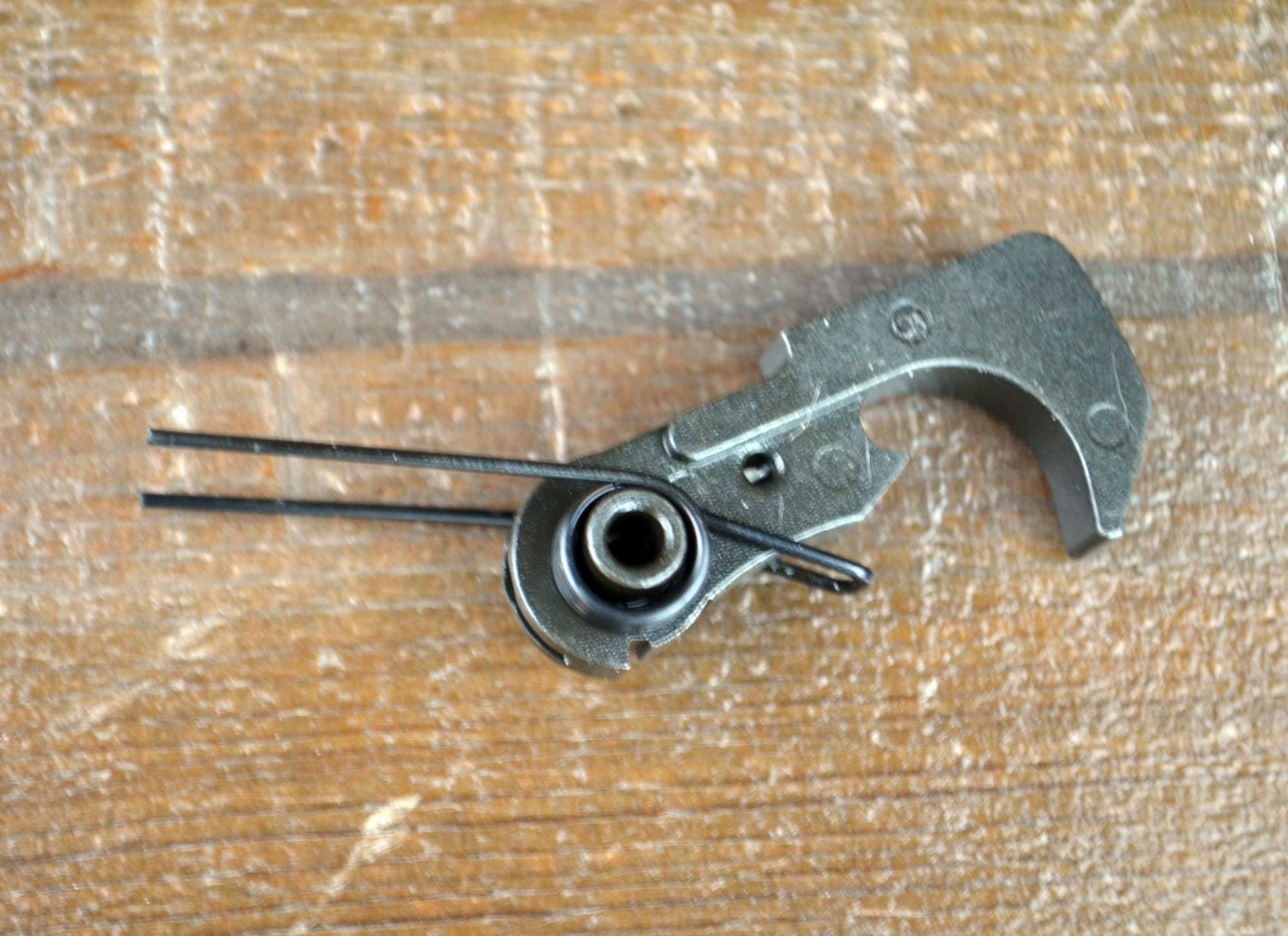
The hammer and its spring go in line with the top set of holes. The legs of the hammer spring go across the top of the trigger pin. The hammer pin goes through the holes and secures the hammer in place.
When installing a drop-in unit, the unit is inserted into the lower receiver, both holes are lined up and secured with the pins. Some units are secured via set screws and some use specialty pins to hold it in place. Check the manufacturer’s instructions for installation.
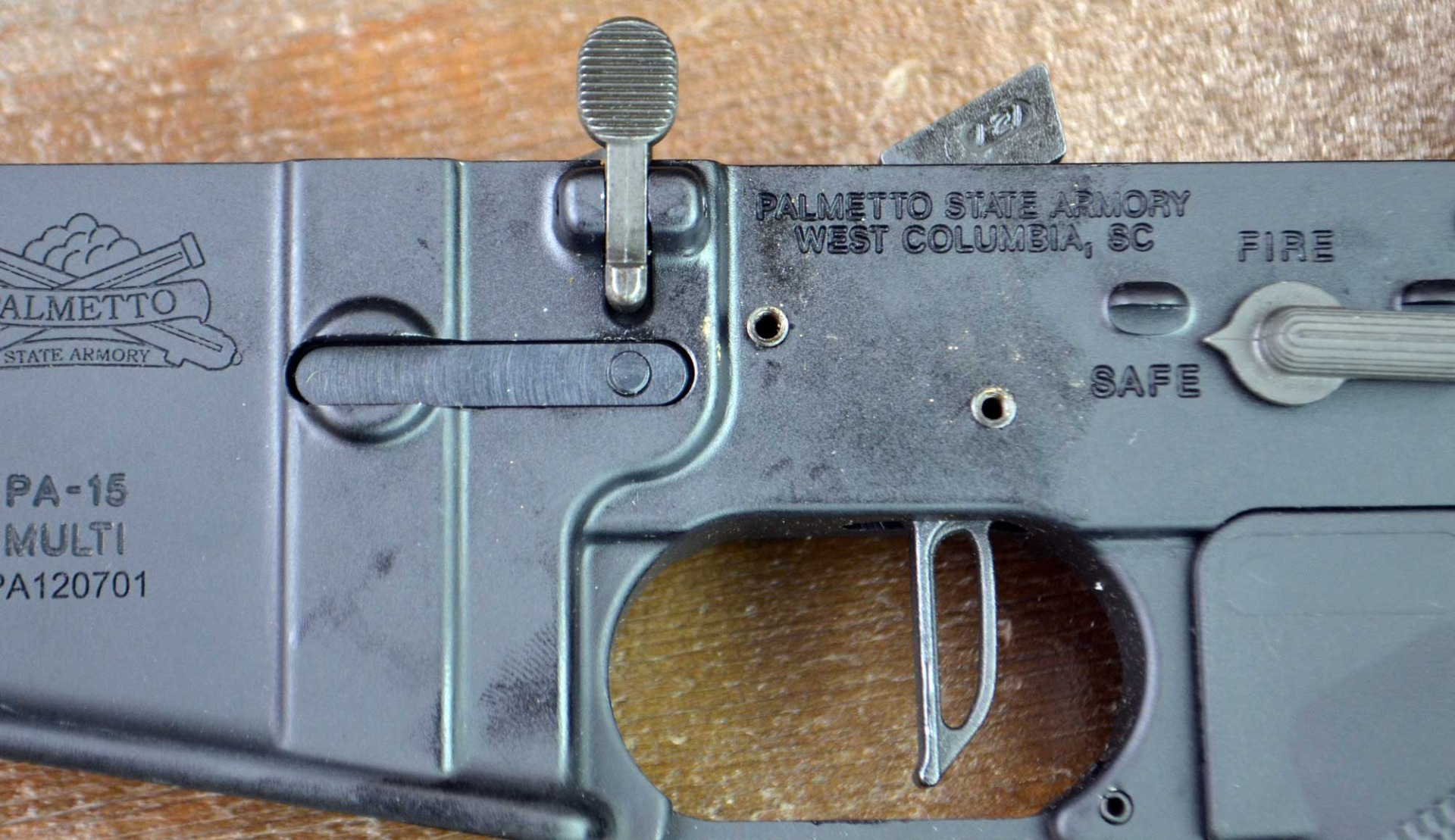
One word of advice is to not let the hammer drop and do not squeeze the trigger in a lower receiver without the upper receiver attached. The trigger will strike the edge of the magazine well and you can cause permanent damage to the lower receiver.
Now let’s take a look at some possible issues you may run into when installing a trigger.
Issues with Triggers
Aftermarket AR triggers can be easily installed into almost 90% of the rifles and pistols on the market, including Palmetto State Armory’s. However, there are certain issues with different brands.
If the lower receiver is not Milspec, there may be issues with fitting and function. The same goes for completed lower receivers made from 80% or polymer lowers.
Aside from those types of lowers, there can be functioning issues with upper receivers dedicated to rimfire or pistol calibers. Likewise, certain rifles chambered in 308 Winchester may need a different hammer spring or other modifications to ensure reliability and safe handling.
Another issue may be with regard to choosing a flat-faced trigger or a curved trigger. Curved triggers provide a consistent reference point for the shooter’s fingertip, most flat-faced triggers do not offer this option.
The key to accuracy is consistency. A trigger pull can feel different depending on which point of the trigger is contacted by the tip of the finger. When a trigger has a curve or even a serrated section, the shooter can consistently achieve the same pull with the same results. This changes when there is no consistent reference point for the trigger finger to engage.
As we mentioned previously, some of these triggers require a proprietary hammer and trigger pins. Others need to have set screws tightened against these pins. Others still rely on a lock washer of some type or anti-walk pins.
Speaking of pins, a small thing to look out for is the pin diameter. The vast majority of AR lower receivers use what is referred to as small pins with a diameter of .154”. However in the 1980s through as late as 2004, Colt used large pin lower receivers where the diameter of the pins was .170”. The reason for this was so that shooters could not use surplus parts from other sources or be able to install full auto parts in a Colt rifle. Newer Colt rifles do not use these types of pins and if you are looking to upgrade an older Colt rifle, you may have to do a little digging to find Large Pin components for your new trigger. Companies like Rise Armament offer bushings for the hammer and trigger pins to allow small pin components to be used in large pin lower receivers.
Final Thoughts
Replacing and upgrading the trigger in your AR is probably the most effective upgrade you can make to your firearm be it a full-sized rifle or an AR pistol variant. It is a relatively easy upgrade and it all comes down to personal preference and the needs of the shooter to determine which option to use. You can spend anywhere from $50 to $600, but don’t let the price intimidate you. If it’s the only upgrade you can make to your rifle it will be well worth it. You will get more fun, accuracy, and reliability than putting a Punisher skull on your ejection port cover