

There's more to Carrying a Concealed Weapon (CCW) than carrying a concealed weapon.
Making the decision to carry a firearm is more than just tucking a handgun into the waistband after completing the basic training course and receiving a permit from a State Agency. Carrying a concealed firearm entails responsibility, safety, knowledge with regard to the firearm, and the appropriate use of deadly force. We will be discussing all of these topics in this three-part series on Responsible Concealed Carry.
This first part of our series will deal with Selecting a Firearm based on its caliber and size as well as Safe Carrying Techniques.
Selecting a CCW Firearm
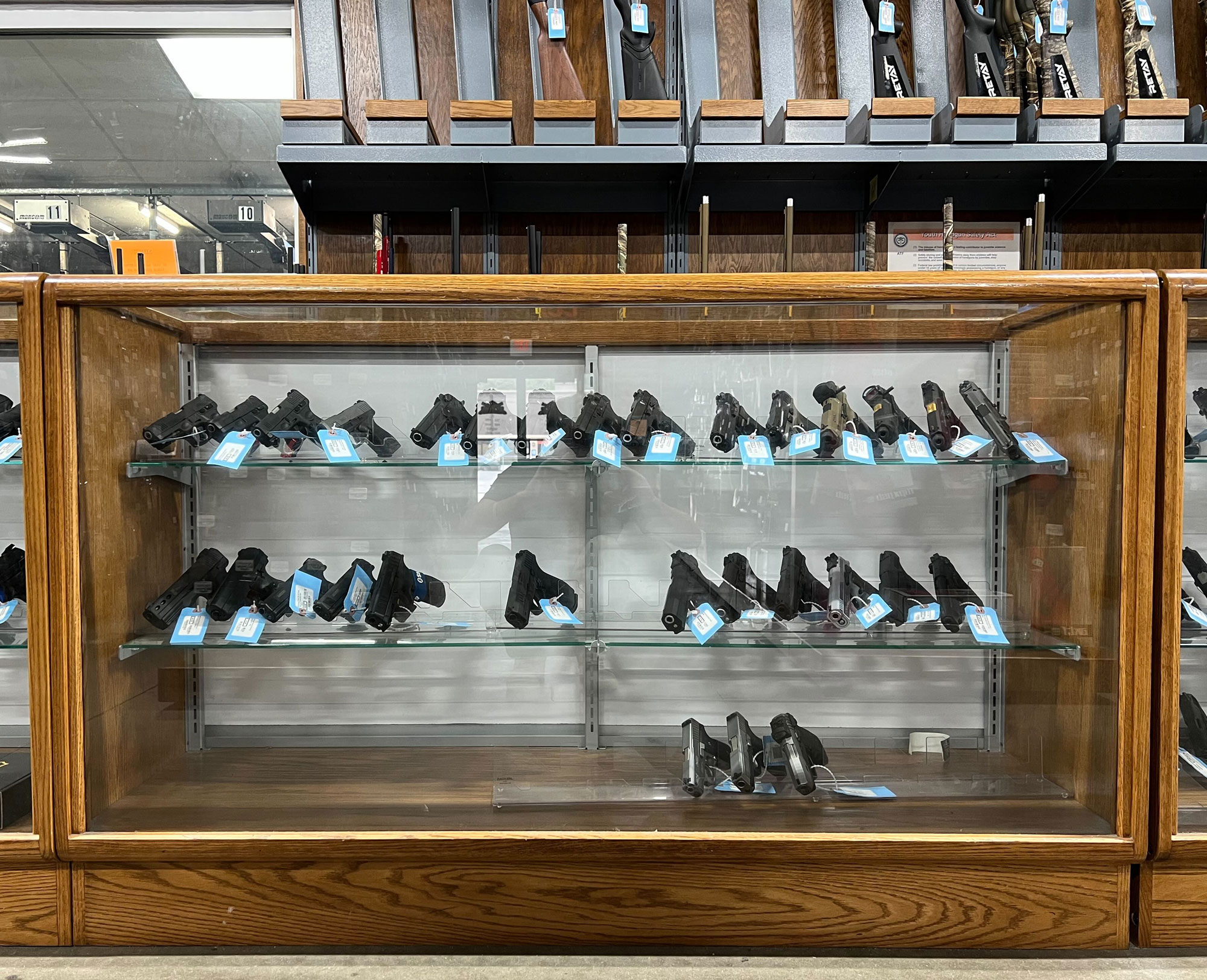
After deciding to go armed, the CCW holder is faced with many choices regarding selecting a handgun for carry. Handguns are available in a large assortment of sizes, from diminutive pocket pistols to large "hand-cannons," running the gamut from .22 short to .500 S&W in caliber.
At times these choices can be overwhelming. When choosing a defensive CCW handgun, the crucial decisions to consider are size, caliber, ammunition, accuracy, and mode of operation.
The keyword in "concealed carry" is "concealed." The handgun of choice should be one that the user can conceal easily while still being accurate and effective. The ideal size of the pistol for concealed carry varies from one person to the next. Although gun makers and holster manufacturers have embraced this market area and have made concealability a primary focus point, some common sense areas need to be addressed.
Conceal Carry Caliber and Size
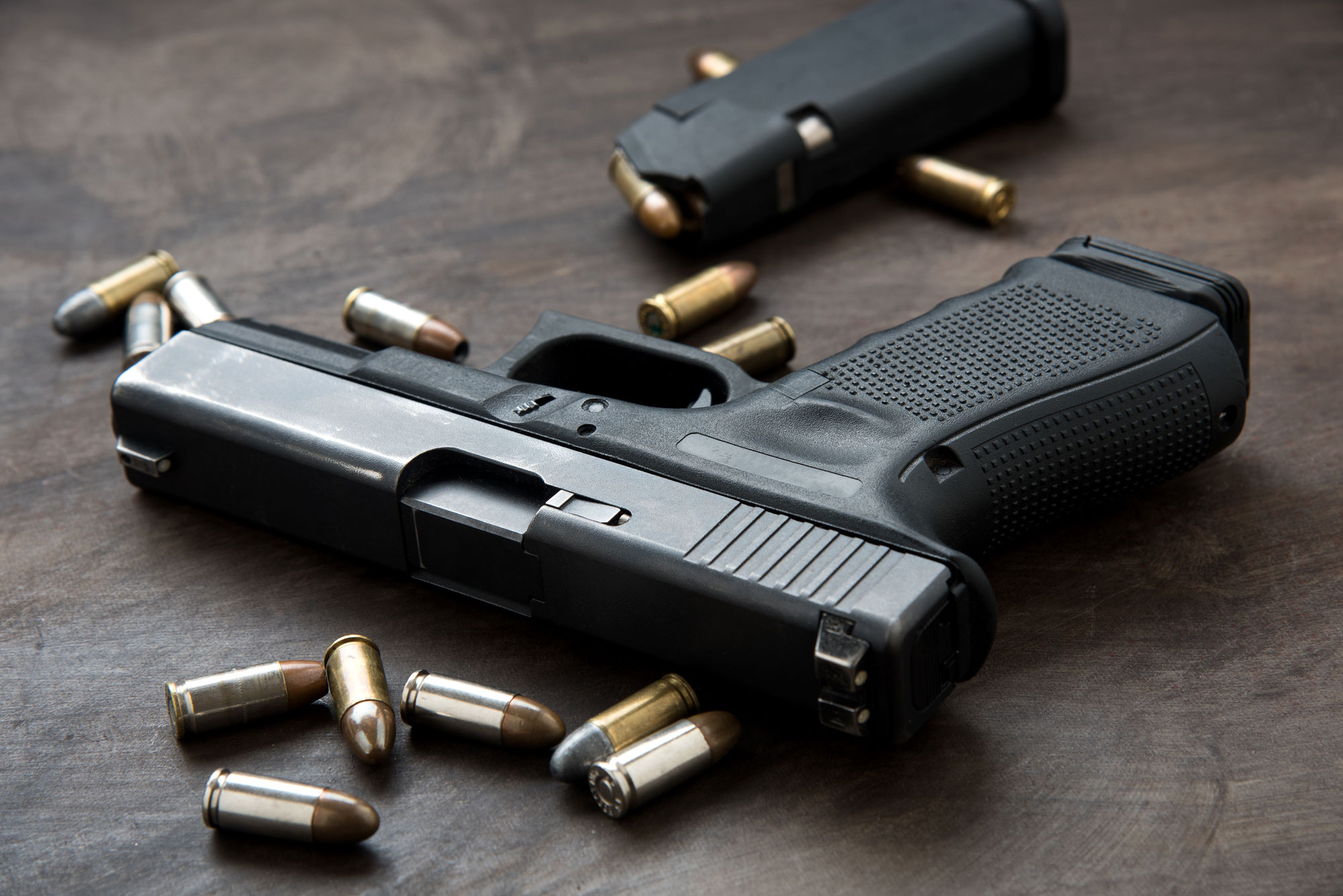
Handgun calibers are measured by the diameter of the bore, which is the interior of the barrel, in millimeters or inches. Choosing a caliber is a decision that can be as personal as choosing a political party or a religion and still fuels debates in many circles. Most firearms instructors advocate the .380 ACP as the bare minimum in a defensive auto-pistol or the venerable 38 Special for a revolver.
As handgun calibers get larger than these, they tend to be more powerful. Larger calibers can be a good thing from the point of view of stopping an attacker and combat effectiveness, but there is a tradeoff. Larger calibers mean larger guns which result in more recoil. Caliber choice can limit the capacity of rounds that the handgun can hold. A Glock 19, for example, contains 15 +1 rounds of 9mm, whereas an identical sized model in the slightly larger .40 S&W cuts this down to 12+1, and the somewhat larger Glock 41 holds ten rounds of .45 ACP.
Using the .380 ACP or 38 Special as a baseline, the shooter can move up the scale in power. The shooter should try as many different handguns as possible when making this decision. This can be accomplished by shooting friends' guns at a shooting range or visiting a shooting range that offers pistols for rental.
Usually, a larger handgun is more accurate, and this can be due to several factors, from better sights or a longer barrel to a larger gun absorbing more of the recoil before it is transferred to the shooter's hand. The drawback of a larger handgun is its size and difficulty in concealment.
The best advice is to select a firearm of an appropriate caliber that can be shot comfortably and accurately while still concealing it.
CCW Ammo
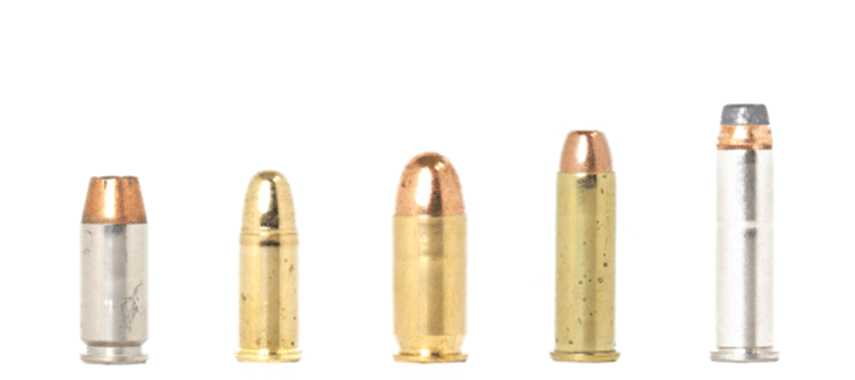
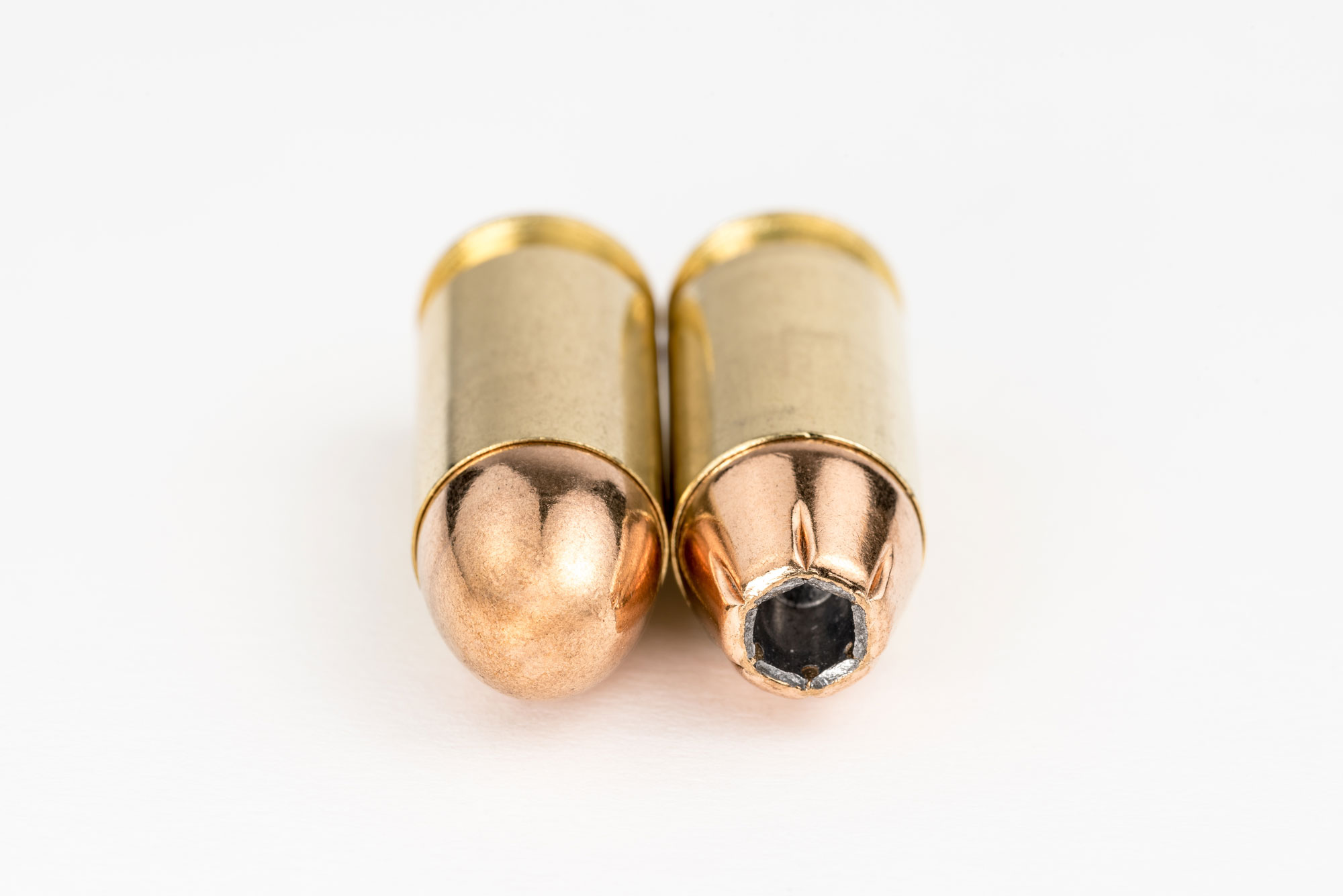
Choosing the right handgun ammo can be another area of confusion for the novice shooter. While Full Metal Jacket (FMJ) and lead wadcutters are economical choices for target shooting and casual plinking, they are not the most effective self-defense rounds and can prove dangerous to innocent bystanders as they are prone to over-penetration.
Hollowpoint bullets expand upon impact. This usually is the best choice for personal defense. When stopping an attacker, these rounds create a more significant wound channel on the assailant through expansion. Because the bullet relies on energy to expand, most hollow point ammunition will not over-penetrate a hard target.
Numerous companies are manufacturing defensive ammunition under many brand names. Because of the various bullet profiles of the ammunition, some work better than others in individual handguns. Finding the best type of ammunition is usually a process of trial and error, and the best recommendation is to find a round that fires most accurately in a particular handgun. If all things are equal, the choice of ammunition should be the same as the user's local Police Department.
Mode of Operation
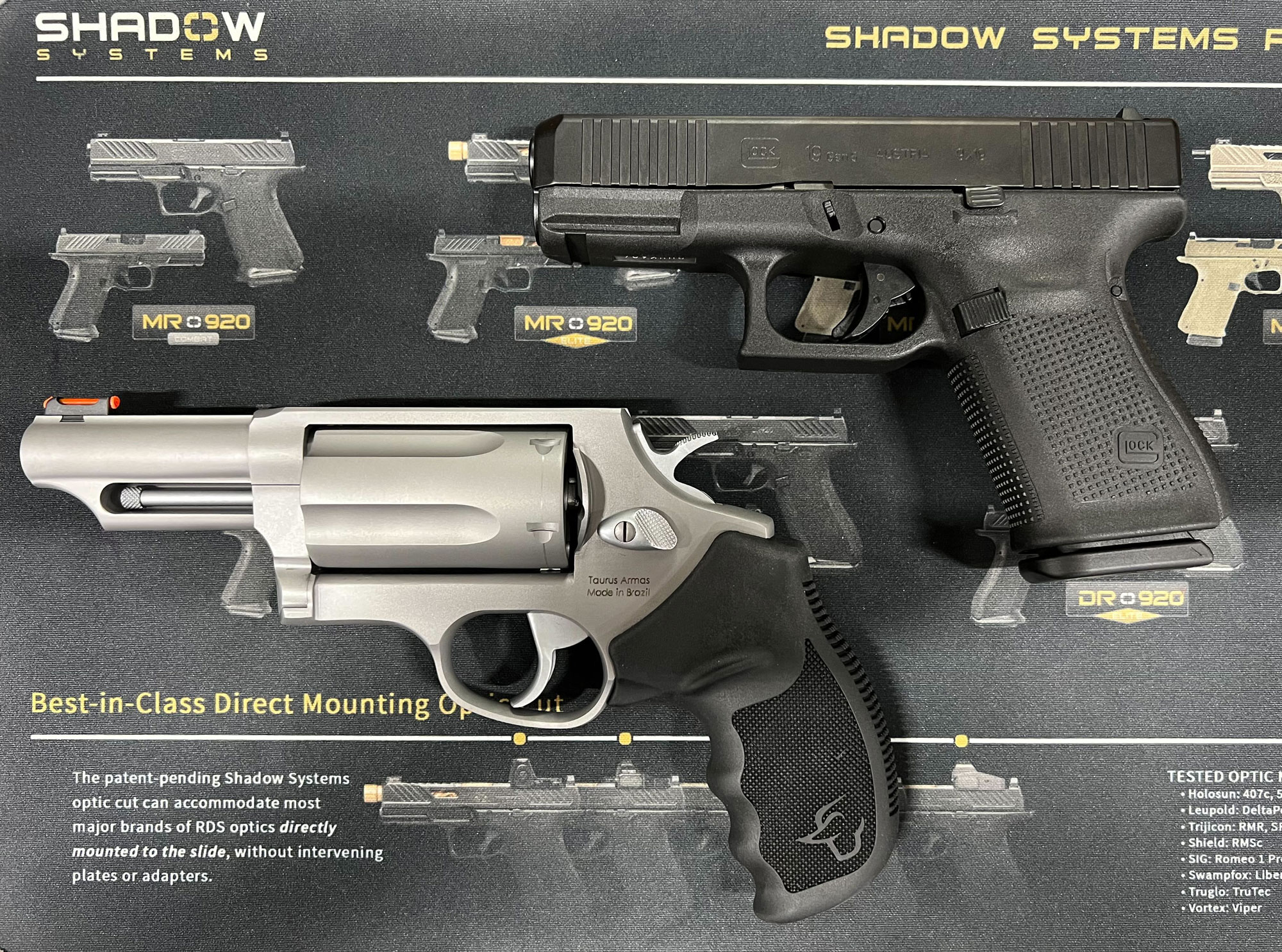
The two most common types of defensive handguns are:
A semiautomatic pistol stores its rounds in a detachable magazine. When a round is fired, the slide moves rearward: simultaneously extracting a spent cartridge case from the chamber and ejecting it from the pistol. When the slide returns to the forward position: it strips a new round from the magazine and feeds it into the chamber. The shooter can then fire this round by squeezing the trigger until all rounds have been fired. The shooter can eject the magazine, insert a new loaded one, and commence firing when the magazine is empty.
A double-action revolver consists of a rotating cylinder that can hold five or more rounds. When the shooter squeezes the trigger, it performs two actions, hence the term "double-action." The hammer retracts, and the cylinder rotates; when the cylinder is in alignment with the barrel, the hammer strikes the primer of the cartridge and fires the gun. With the next squeeze of the trigger, the chamber containing the spent cartridge case moves out of position, and the next cartridge is lined up. When all rounds are fired, the shooter must open the cylinder and eject the spent casings.
Most firearms instructors recommend a revolver for beginners. This has some merit as revolvers tend to be more reliable than most semiautomatic pistols. However, a novice shooter can be properly trained with a semiautomatic handgun, while a novice can learn the nuances of a revolver.
Some advantages of the revolver beyond reliability include the small size and being lightweight. Revolvers such as the Smith & Wesson J-frame and the Ruger LCR are small enough to be carried safely in the pocket and are very concealable with the proper holster. Revolvers have no external safety mechanisms, so the user can simply point it and shoot. The drawbacks to a revolver include limited ammunition capacity and being slower to reload.
Threat Perception
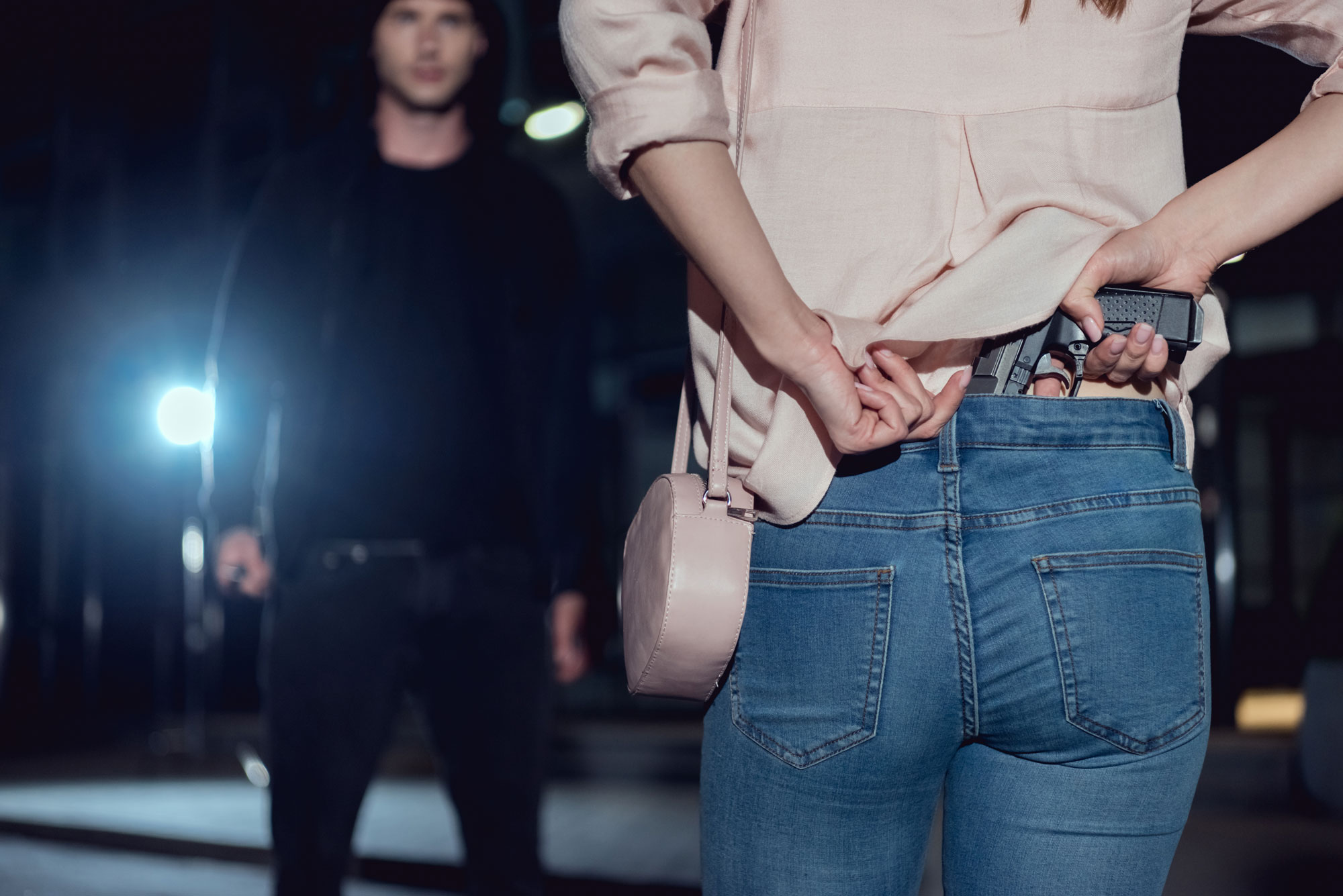
A choice can be made based on threat perception. Most modern "Gunfight statistics" documented by the FBI and various police agencies point out that most self-defense shootings result in relatively few shots fired and at close distance. While a good starting point, the average armed citizen must consider the area and the local crime statistics.
If a trend in crime is one of multiple attackers, a 5-shot revolver may not be sufficient. In some jurisdictions such as California, civilians are limited to magazines that can hold no more than 10-rounds. If forced to live under such legislation, sometimes it is more important to go with a larger round if the gun can only hold ten rounds maximum. This is all subject to the shooter's ability to handle recoil, but it is something to keep in mind when making the decision.
New or Used?
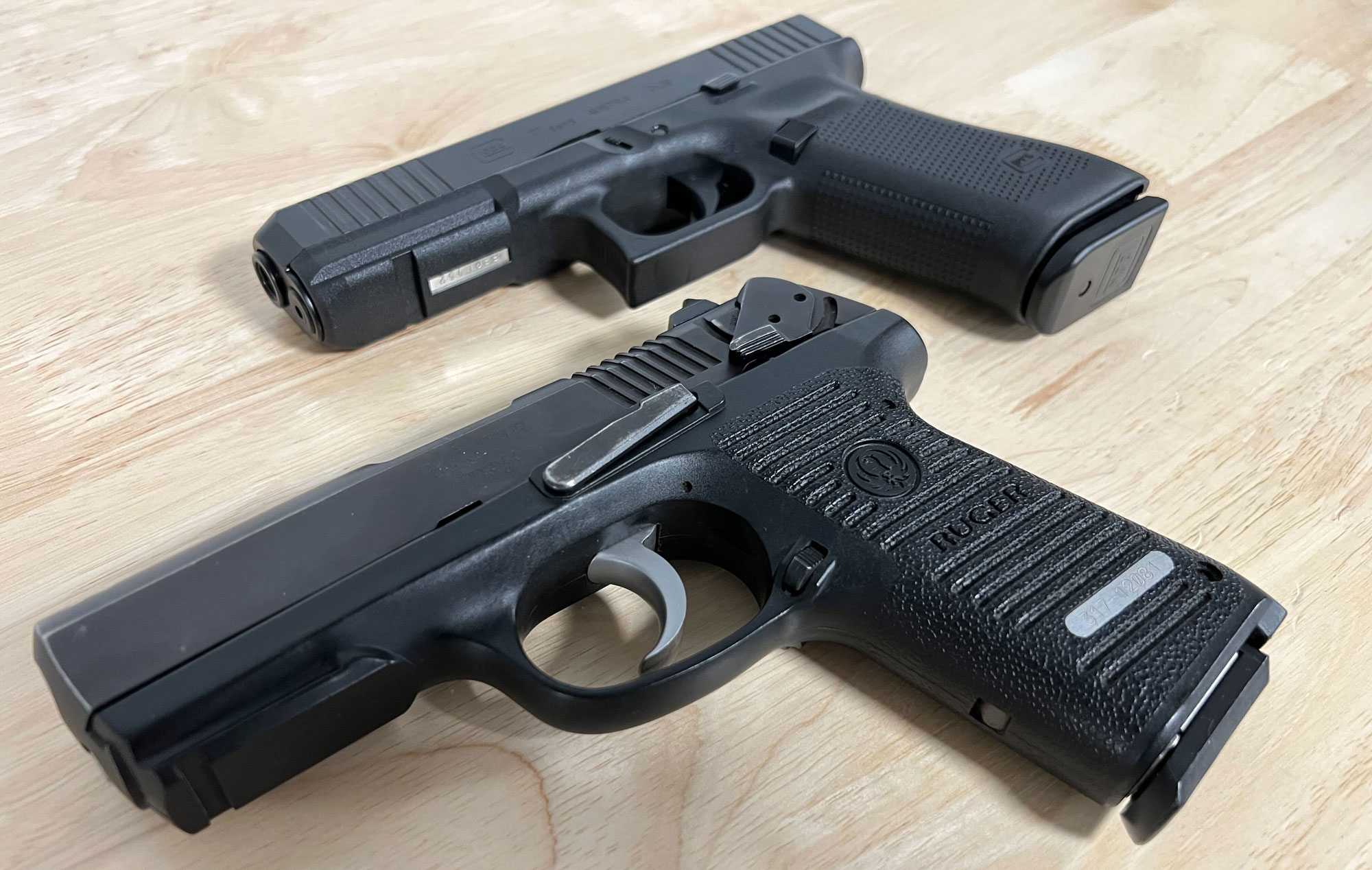
Sometimes bargains can be had in the "used section" of the local gun counter, mainly if it is a model no longer in production.
As an armed citizen, this is not always the best idea. When purchasing a new gun, the buyer is guaranteed that the weapon will perform within factory specifications. New firearms are often shipped in a lockable case suitable for storage, and some include brass from the "test firing" and even the actual target used. This eliminates the worry of buying a firearm that a previous owner may have altered.
Sometimes a used gun is all the armed citizen can afford, particularly when "Police Trade-ins" become available. Police Trade-ins are pistols or revolvers that formerly belonged to a police officer. When a police department switches to a new weapons system, the officers usually can trade back their previously issued firearms for a discount on a new model. The handguns are generally still in good condition; sometimes, minor holster wear on the finish is the only flaw.
While the general rule is to buy a new handgun for self-defense or carry a piece, if a used weapon is the only option, it should be inspected by a reputable gunsmith or sent back to the factory to correct any problems caused by a previous owner.
It's up to the end-user to put these different combinations into practice. The eight-inch Colt Python may be a dream to shoot, but it's not ideal to carry concealed. The diminutive Beretta 950 Minx in 22 Short may be small and light, but its caliber may not efficiently stop a threat. Likewise, a treasured Walther PPK may conceal well and be accurate but unreliable with certain ammunition types.
These advantages and disadvantages are best discovered in training before the weapon is carried.
Safe Carrying Techniques
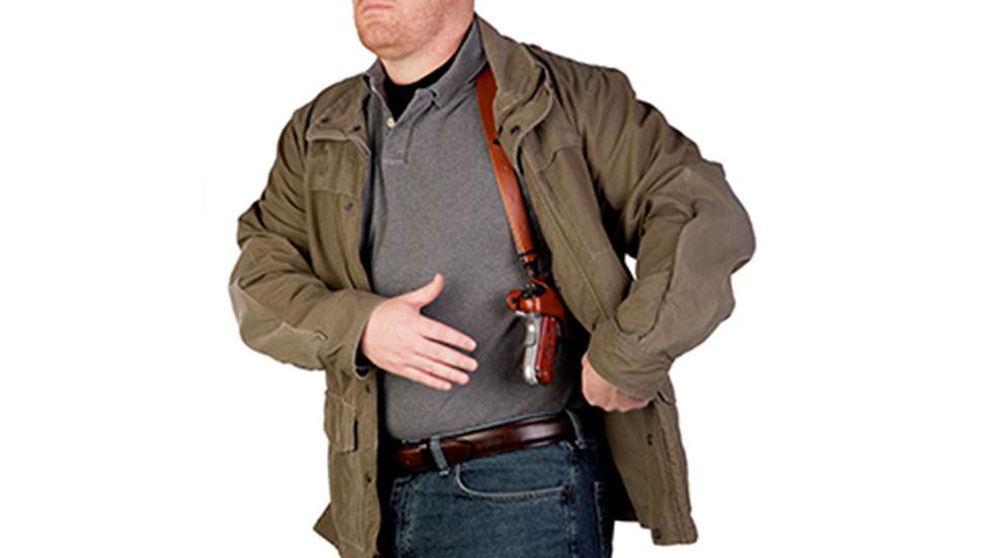
Holsters are a relatively recent invention, coming about in the 1840s compared to the history of firearms that have been in use for over 600 years. Holsters provide a reliable way to carry a handgun safely.
There are several types to choose from:
- Inside the Waistband (IWB)
- Outside the Waistband (OWB)
- Pocket holsters
- Shoulder holsters
- Ankle holsters
Each of these has its advantages and disadvantages, but an informed decision can be made when aligned with the proper goals.
Concealability
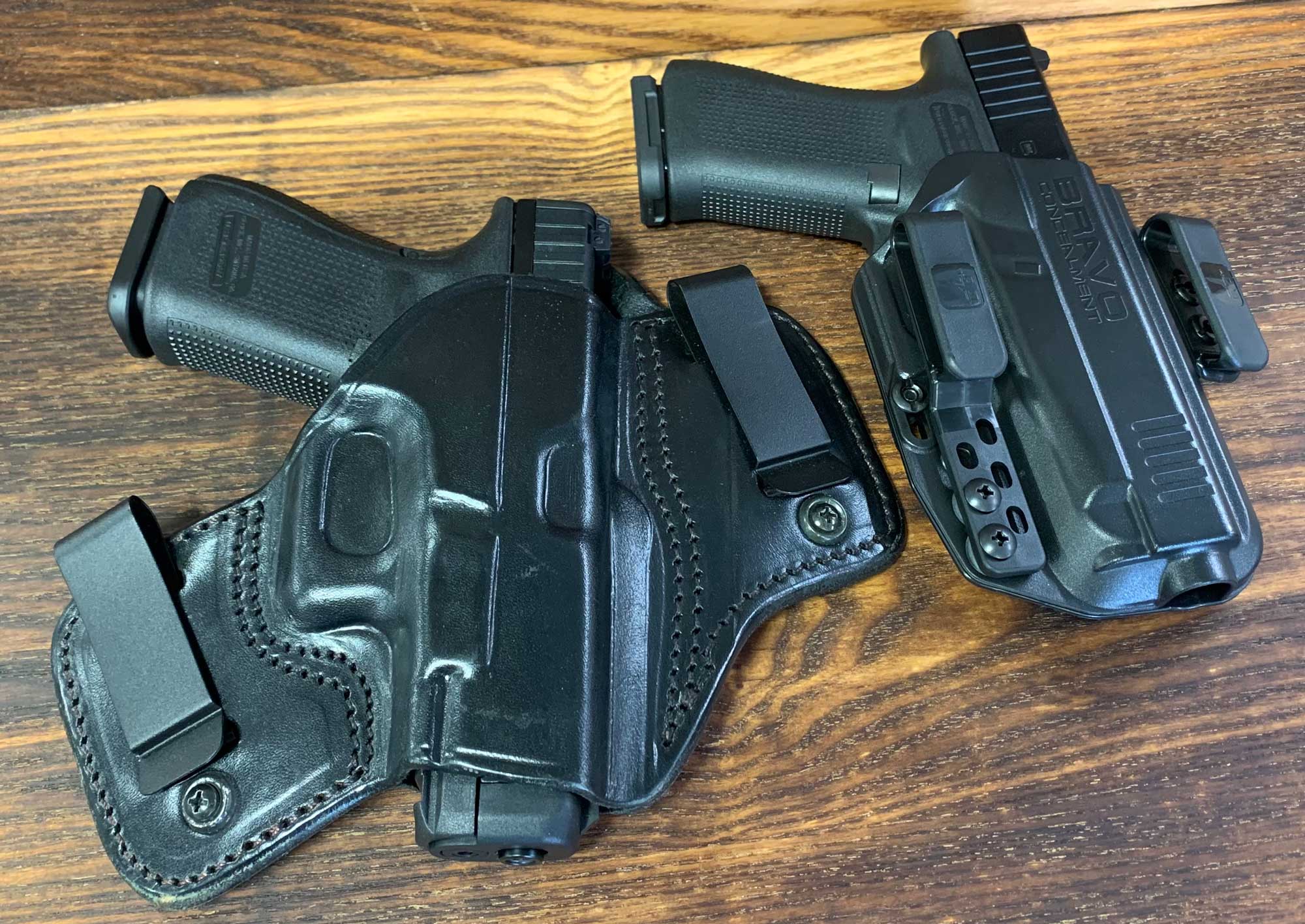
Concealability is the first factor to take into consideration. IWB's and pocket holsters are the most easily concealable when wearing most types of clothing. A good rule of thumb when selecting an IWB is to go up a few inches in pant size for the waistline. If the CCW holder does not want to fit, then buy a whole new wardrobe, or it's time to lose a few pounds. IWB's are further concealed by wearing an untucked shirt or a cover garment such as a jacket or photographer's vest.
Pocket holsters hold a smaller gun in place while in the pocket. Most are constructed of leather with a rough outside or have Velcro or another material attached to them so that the holster stays in the pocket when the gun is drawn. It is essential to keep any other objects out of the pocket in question to not interfere with the pistol as it is drawn.
Ankle holsters can do an excellent job at concealment; however, the gun in question will end up covered in all the dirt and dust from walking. If ankle carry is the only option, we suggest choosing a revolver over a semiautomatic pistol.
Comfort
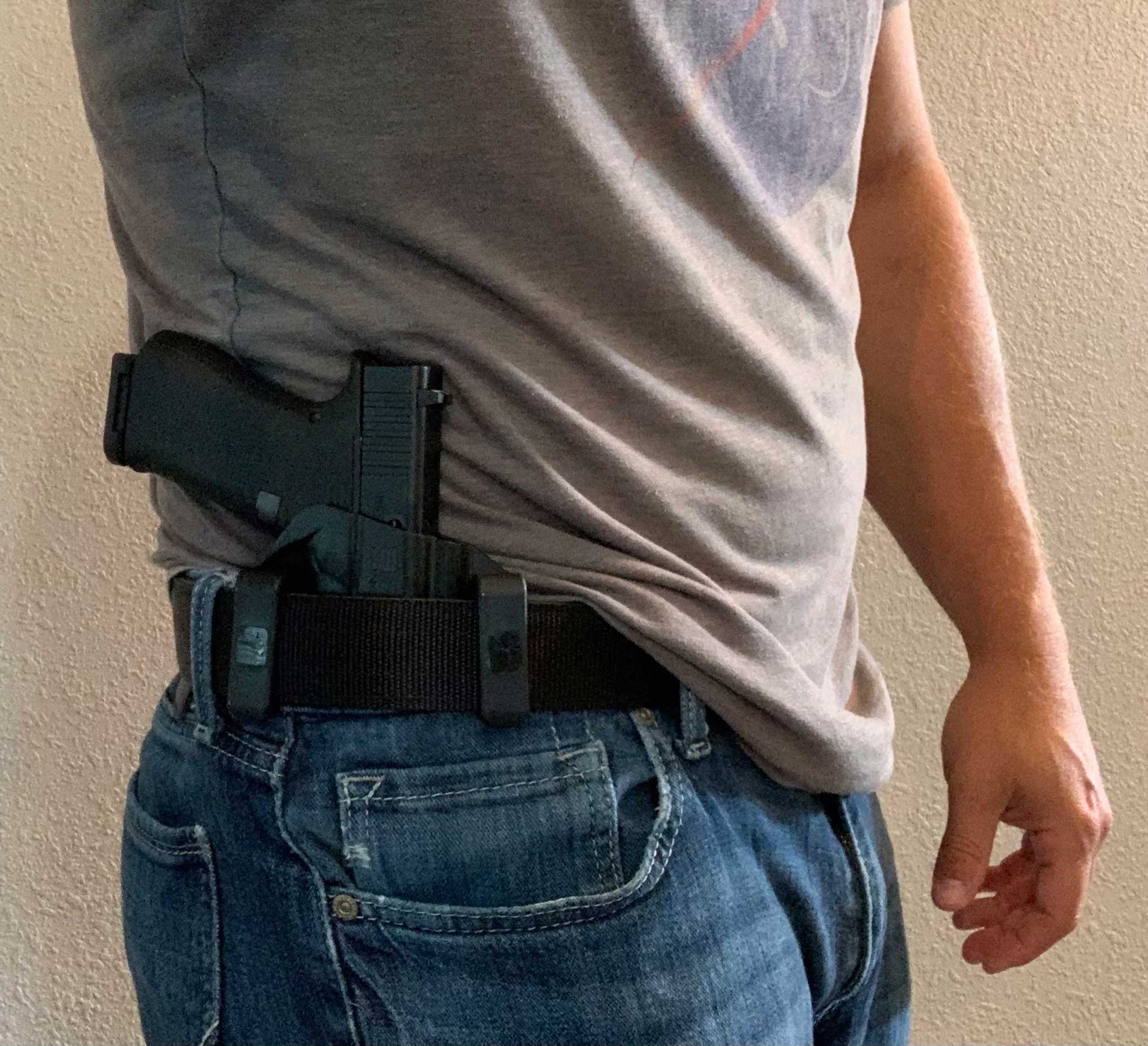
There is an old adage about the best gun to have for personal defense, which is the gun that is available at the moment. This refers to that if a gun is too heavy to tote around all day, it will be left in a car or the safe. Most holster manufacturers state the makes and models of guns that the holster will fit. More importantly, after finding the right holster for the gun, the holster must fit the shooter.
A holster worn on the waist should be worn with a dedicated gun belt. These belts are of a thick construction to support the gun's weight and prevent the pants from sagging. If the CCW holder is seated all day, it must be determined if the gun will ride comfortably. If the CCW holder opts for a shoulder holster to alleviate this problem, they must consider the weather and whether the environment supports wearing a jacket or it will look out of place or otherwise be uncomfortable.
Access and Consistency
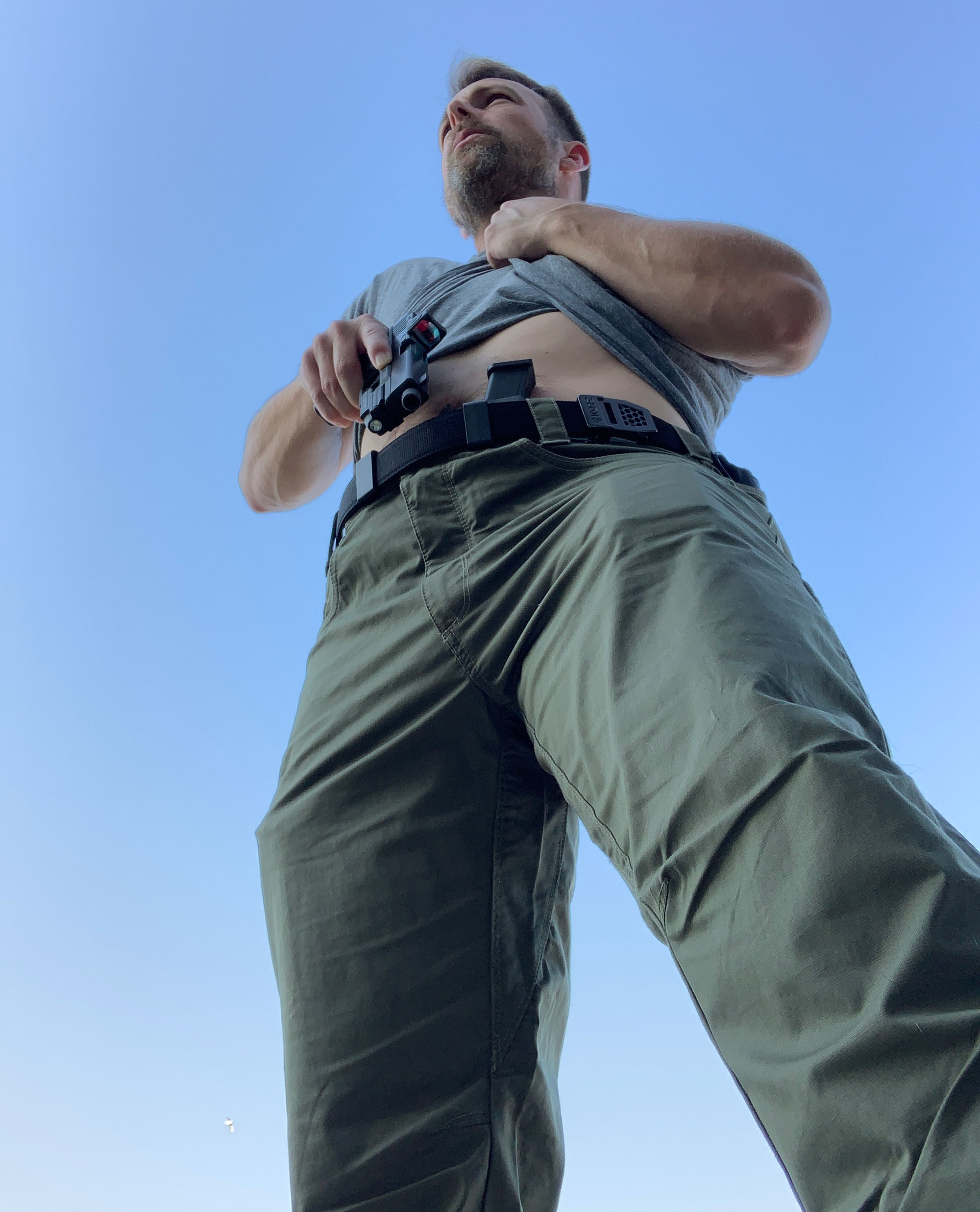
Ease of access is dictated by the user's mode of carry and holster of choice. It is recommended that the user find a comfortable place to carry the weapon on their person and consistently keep the gun and holster in that position. If the user carries in a pocket or purse, the holster should be such that the user always draws from the same position every time. Drills are encouraged so the shooter can draw while seated, from cover, or with other items in hand, such as a bag of groceries or a set of car keys. These are the times when someone is more vulnerable to an attack or an attempted mugging or carjacking.
The key to a successful draw is to have the gun in a consistent position. The holster must be accessible to the owner and kept in a familiar position to ensure a positive deployment. If the shooter moves the holster to another location on the body, practice with the new position from various stances while standing, while seated, and from behind cover or concealment is vital.
Retention
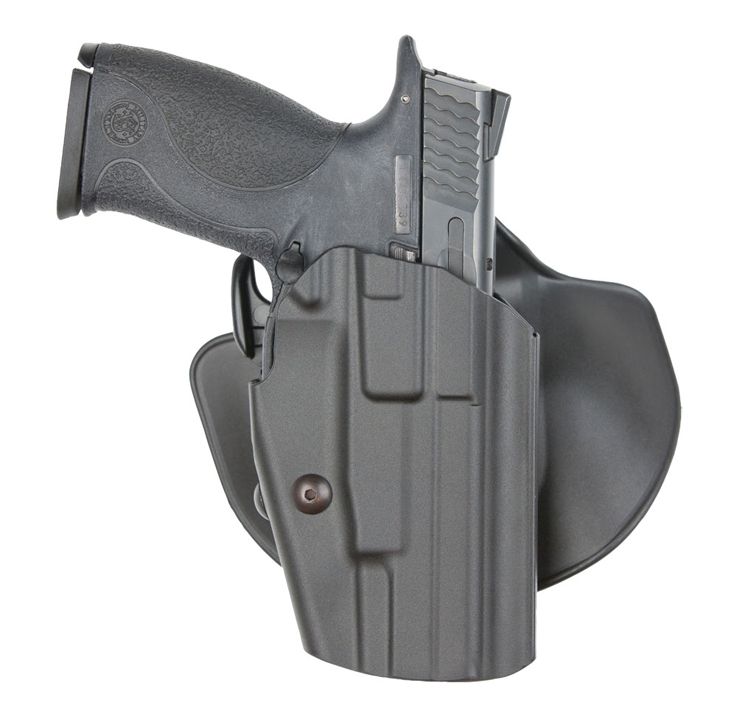
Although this primarily applies to OWB type holsters and proponents of Open Carry to avoid a "gun grab," it is vital for a CCW holster to retain the gun under any circumstance until the user draws it. Modern leather holsters and Kydex (plastic) holsters are form-fitted to a specific gun model. Some models are further reinforced by straps or "thumb breaks" as an added layer to ensure that the gun stays where it is supposed to at all times while keeping a bad guy's hands off of it during a struggle.
Interactions with Law Enforcement
Civilian CCW Holders are held to a higher standard. In some states, consuming alcohol while carrying a pistol is illegal and can result in a revoked license. While carrying a handgun, any interactions with others will be heavily scrutinized, especially if it erupts in a self-defense situation.
Driving down the highway and seeing the flashing blue and red lights of a police cruiser in the rearview mirror, indicating a need to pull over, is not a cause for panic. The best advice for a CCW holder is to take a deep breath to settle nerves, activate the turn signal, and pull over. Activate the hazard lights, roll down the windows, place the vehicle in park and turn off the engine. Although it is not required to notify the officer when carrying a weapon in some states, in most states, the officer will know beforehand, and it is good policy to inform him. The best course of action is to hand over your driver's license, CCW permit, and vehicle registration/insurance documents while always keeping your hands on the wheel and in view.
In the unlikely event that the officer asks for the weapon, the CCW holder should ask the officer to retrieve it. This is usually only a concern in jurisdictions where gun registration is in force.
If it is a unique weapon that the officer is unfamiliar with; he should be told how to unload it and make it safe. At no time should a CCW holder ever attempt to reach for their own weapon. The standard operating procedure for most officers is to return the firearm to the licensee unloaded after the encounter. The gun should not be reloaded until the officer is out of the area.
Should a CCW holder finds themselves interacting with law enforcement after a shooting, the response will be different.
After making the weapon safe, the shooter should make their identity known to the officers. The officers will most likely ask for identification and the CCW permit. The shooter should only reach for these after being told to do so. While talking to the police, hands should always be visible. The shooter should give the bare minimum of facts, "I was in fear of my life, this assailant attacked me, I drew my gun and fired."
It is an entirely appropriate response to tell a police officer, "Officer, I just went through a very traumatic experience and am greatly stressed. I wish to invoke my Fifth Amendment Right and not speak until I have a lawyer present."
It is not advised to conceal information or cover up a bad shooting. Having one's life threatened and being attacked or shot is stressful enough without the added complication of shooting another human being or perhaps taking their life. People go through a flood of emotions like this and can unknowingly give information that can be used against them. The wisest course is to provide a complete account of the facts in the presence of an attorney.
Now that we have discussed Selecting a Firearm and Safe Carrying Techniques, we will deal with situational awareness and Mental Preparation in Conceal Carry Basics Part 2 of our series and firearms training in Conceal Carry Basics: Part 3.
South Carolina and North Carolina residents, get your Concealed Carry Permit at a Palmetto State Armory location near you.