Mouth Calls: Frequently Asked Questions
Turkey mouth calls are a favorite among hunters for their versatility, hands-free operation, and realistic turkey sounds.
Whether you’re a seasoned turkey hunter or just starting out, understanding how to choose, use, and care for your calls can make a significant difference in your hunting success.
Below, we answer some of the most common questions about these calls to help you make the most of your next hunt.
What Is a Mouth Call?
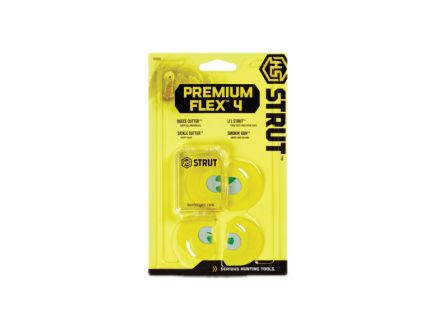
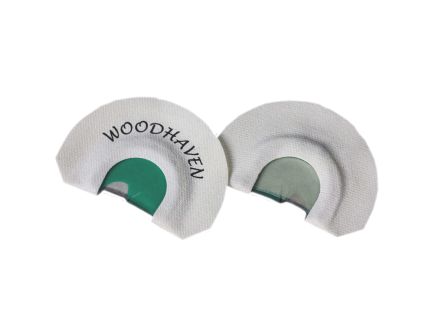
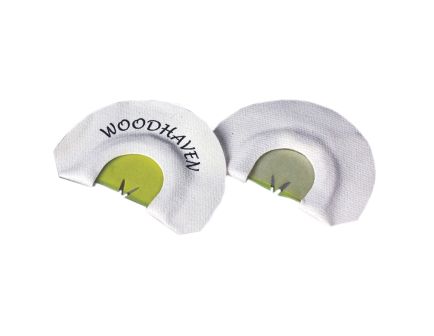
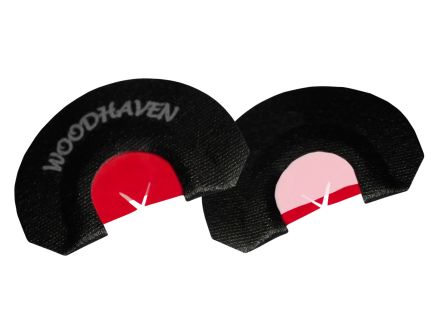
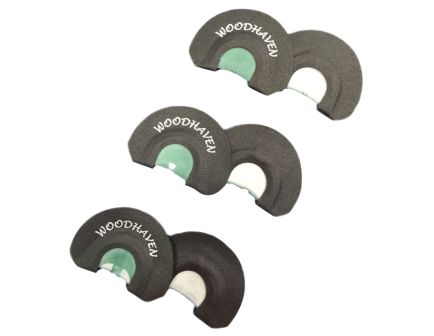
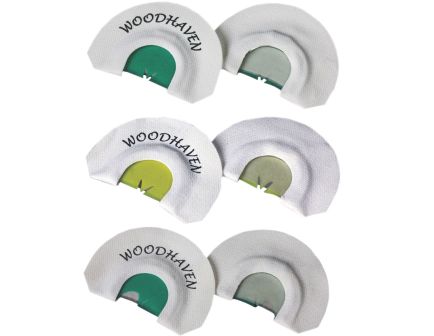
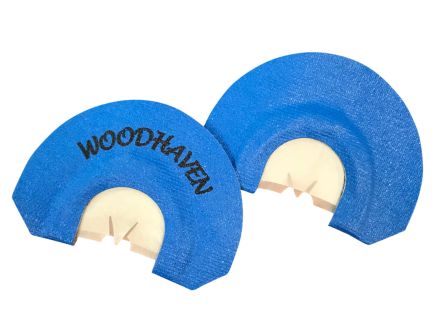
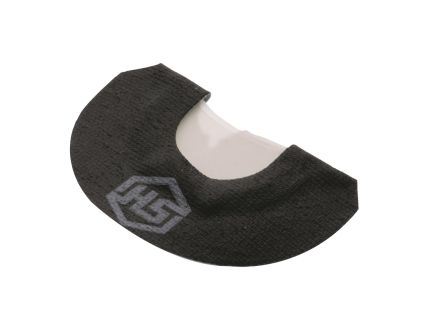
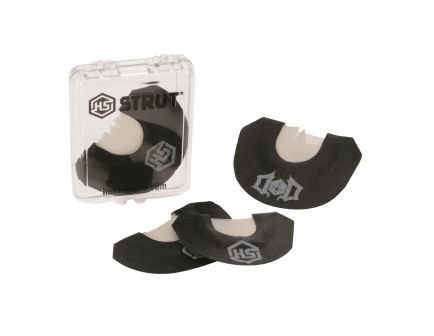
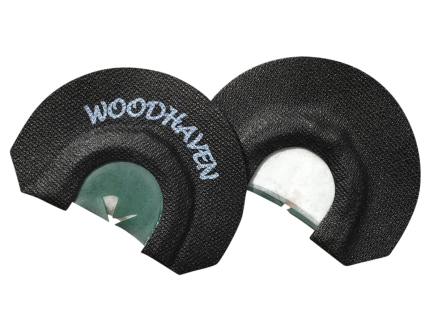
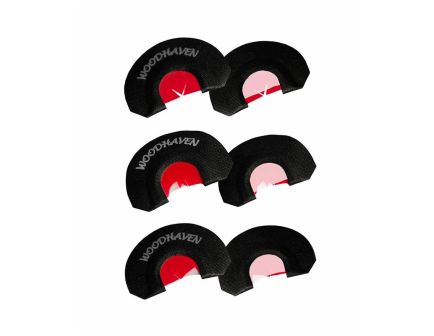
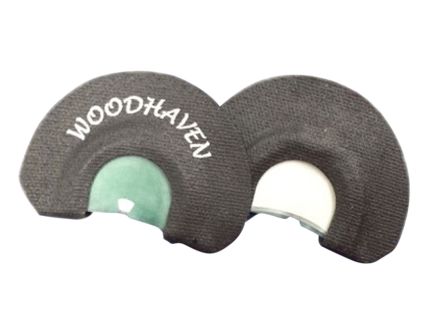
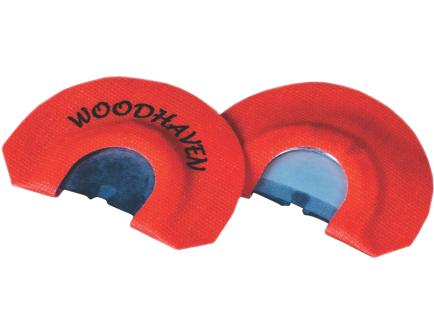
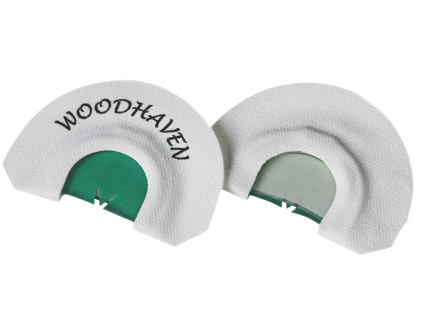
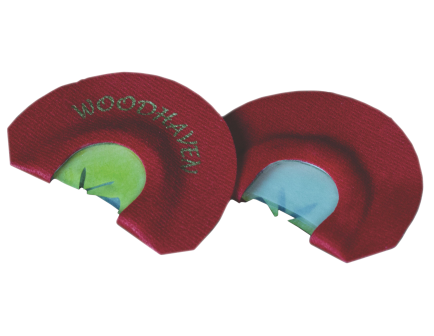
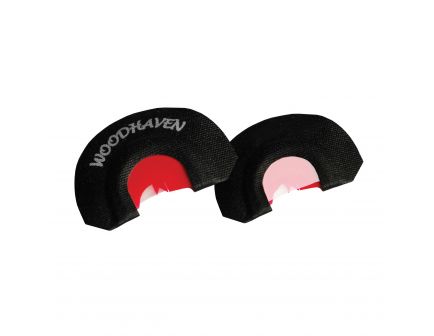
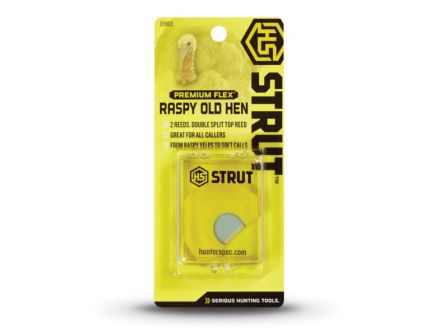
A turkey mouth call, also known as a diaphragm call, is a small, flexible device placed inside the mouth to mimic the sounds of wild turkeys.
Made from latex reeds stretched over a frame, these calls allow hunters to produce a wide range of turkey vocalizations, such as yelps, clucks, purrs, and cuts, all while keeping their hands free for their shotgun or bow.
How Do They Work?
These calls work by forcing air over one or more latex reeds inside the call. The tension, thickness, and number of reeds, as well as the shape of the cut in the top reed, all influence the sound produced.
By varying the pressure of your tongue and the flow of air, you can create different turkey sounds to attract gobblers or hens.
What Are the Different Types?
There are various designs, each suited for different calling styles and skill levels:
- Single Reed Calls: Easiest to use, ideal for beginners, and produce clear, high-pitched sounds.
- Double Reed Calls: Offer more versatility and volume, suitable for intermediate callers.
- Triple Reed Calls: Provide the most rasp and complexity, favored by experienced hunters for realistic, mature hen sounds.
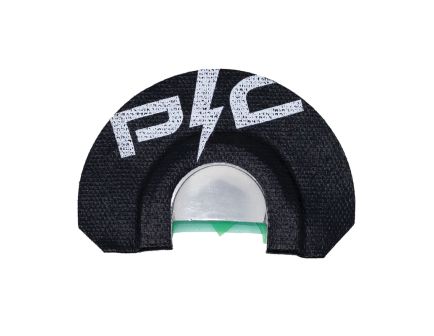
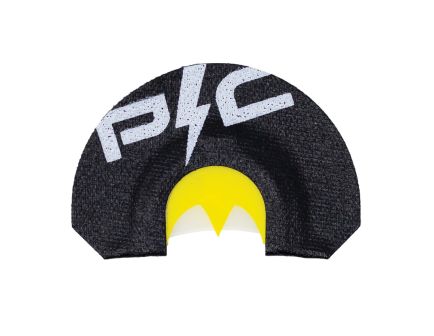
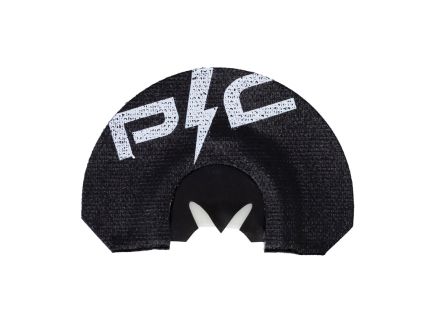
- Cut Styles: The top reed may have different cuts (such as V-cut, combo cut, batwing, or ghost cut), each producing unique tones and making certain calls easier or harder to perform.
How Do I Choose the Right One?
Choosing the right call depends on your experience level, the type of turkey sounds you want to produce, and your personal mouth shape.
Beginners often start with single or double reed calls with simple cuts, as they require less air pressure and are easier to control – more advanced callers may prefer triple reed calls with specialized cuts for greater rasp and realism.
What Turkey Sounds Can I Make?
These calls are incredibly versatile and can replicate a wide range of turkey vocalizations, including:
- Yelps: The basic call to attract both hens and gobblers.
- Clucks: Short, sharp notes used to get a turkey’s attention.
- Purrs: Soft, rolling sounds that indicate contentment or feeding.
- Cuts: Fast, sharp clucks used to excite gobblers.
- Kee-kees: High-pitched whistles made by young turkeys, useful in the fall.
Mastering these sounds can help you adapt to different hunting situations and increase your chances of success.
How Do I Use These Effectively?
Using a mouth call effectively takes practice.
Here are some tips to get started:
- Placement: Position the call against the roof of your mouth, with the reeds facing forward.
- Airflow: Use your diaphragm to push air over the reeds, not your lungs.
- Tongue Pressure: Adjust the pressure of your tongue on the reeds to change the pitch and tone.
- Practice: Start with basic yelps and clucks, then progress to more advanced calls as you gain confidence.
Listening to recordings of real turkeys and practicing regularly will help you develop realistic and convincing calls.
How Should I Care for My Call?
Proper care extends the life of your call and ensures it sounds its best. After each use, rinse the call with clean water to remove saliva and debris.
Store it in a ventilated case to prevent mold and keep it out of direct sunlight or extreme heat, which can damage the latex reeds. Avoid bending or folding the reeds, as this can affect sound quality.
How Long Do They Last?
The lifespan of a mouth call depends on how often it’s used and how well it’s cared for. With regular use, most calls last one hunting season before the reeds lose their tone or become damaged.
If you notice a change in sound quality or difficulty producing calls, it’s time to replace your call.
Why Should I Use a Mouth Call Over Other Calls?
Mouth calls offer several differences and advantages over box or slate calls:
- Hands-Free Operation: Allows you to keep your weapon ready while calling.
- Versatility: Capable of producing a wide range of turkey sounds.
- Concealment: No movement is required, reducing the chance of being spotted by wary turkeys.
These benefits make them a popular choice for hunters seeking realism and flexibility in the field.
Conclusion
Diaphragm calls are an essential tool for any turkey hunter looking to improve their calling skills and increase their chances of a successful hunt.
By understanding the different types, practicing proper techniques, and caring for your calls, you’ll be well-equipped to bring in that elusive gobbler this season.
Explore our wide selection to find the perfect fit for your next hunt.