

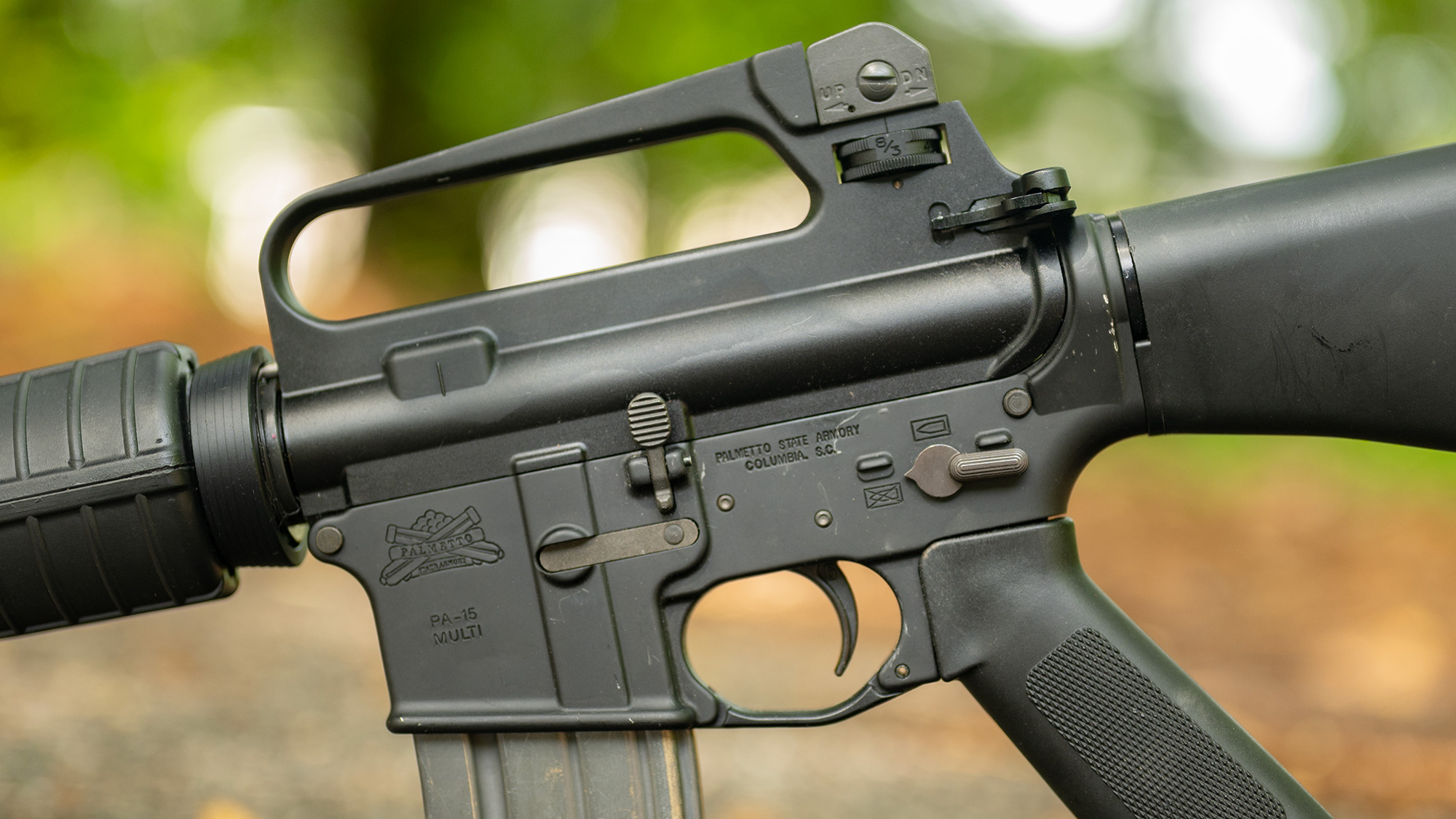
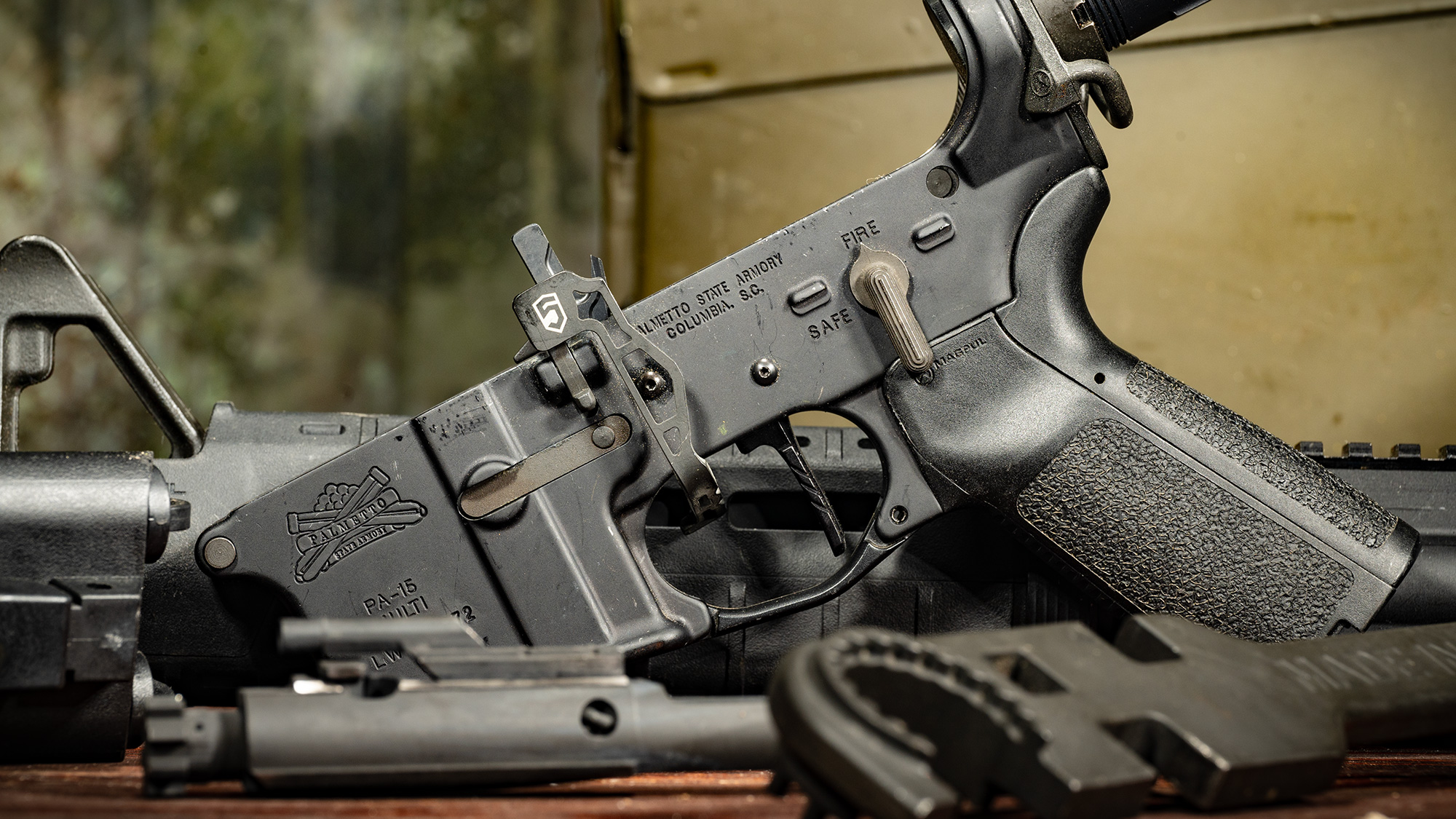
One of the most overlooked but important contributing aspects to the AR-15's excellent ergonomics is its safety selector. Think about it: The AK is a great gun, but activating the safety requires either removing the shooting hand from the pistol grip or awkwardly maneuvering the support hand around the receiver.
On the AR-15, a shooter simply flips the safety with their thumb and never needs to visually confirm whether it is engaged or not. It's simple, but one of the most important aspects of the gun's ergonomic features that, when combined, firmly cement the AR-15 as the gold standard for rifle ergonomics. But how exactly does the safety work? And for that matter, how does it differ from military guns? Let's take an in-depth look at the unsung hero of the AR's ergonomics and find out.
How Does the Safety Work on an AR-15?
The AR-15 safety selector's operation is somewhat simple compared to more contemporary designs because it uses a very old method. In general, firearm safety tips can function in one of three major ways.
- Block the hammer or firing pin from striking the primer on a cartridge.
- Prevent the trigger from moving.
- Disconnect the trigger from the hammer (or the seer from the trigger or hammer).
On older firearms, the safeties primarily just block the trigger from moving since this is one of the mechanically simple ways to render a firearm safe. If you've ever seen a cross-bolt safety, this is how most of these function. The problem with these safeties is that if a shooter pulls the trigger with incredible force or the trigger catches on something while falling or being crushed, it can break and cause the gun to fire. Despite this, the AR-15's safety functions this way.
If you're thinking, "That doesn't sound safe," don't worry. The engineers behind the most prolific rifle in America beefed up the design to prevent exactly this. The safety selector on a standard semi-automatic AR-15 rotates a large cylinder that has a flat surface on one side and a round surface on the other. The cylinder is so thick that the trigger itself would break long before the safety.
But what's interesting about the design is that it doesn't actually stop the trigger from moving - at least not entirely. The trigger mechanism on an AR-15 is connected to the seer, which retains the hammer in the rearward or primed position. When the safety is engaged, it stops the AR-15's trigger from moving full rearward to disengage that seer from the hammer and allow it to fall. That's why if you pull the trigger on an AR-15 when the safety is engaged, the trigger does, in fact, move a small distance before stopping.
The reason the designers of the AR-15 utilized this safety mechanism over a cross-bolt or a massive safety lever that those found on Kalashnikov rifles is that it allows the shooter to maintain their firing hand's grip on the pistol grip while manipulating it. In practical terms, this means a shooter can rest their thumb on the safety and be ready at a moment's notice to flip it down into the "fire" position. This is very fast, and because of its close proximity to the shooter's hand, they don't have to search for it if utilizing the gun in a low or no-light environment.
What's the Difference Between an AR-15 Safety and an M-16 Safety?
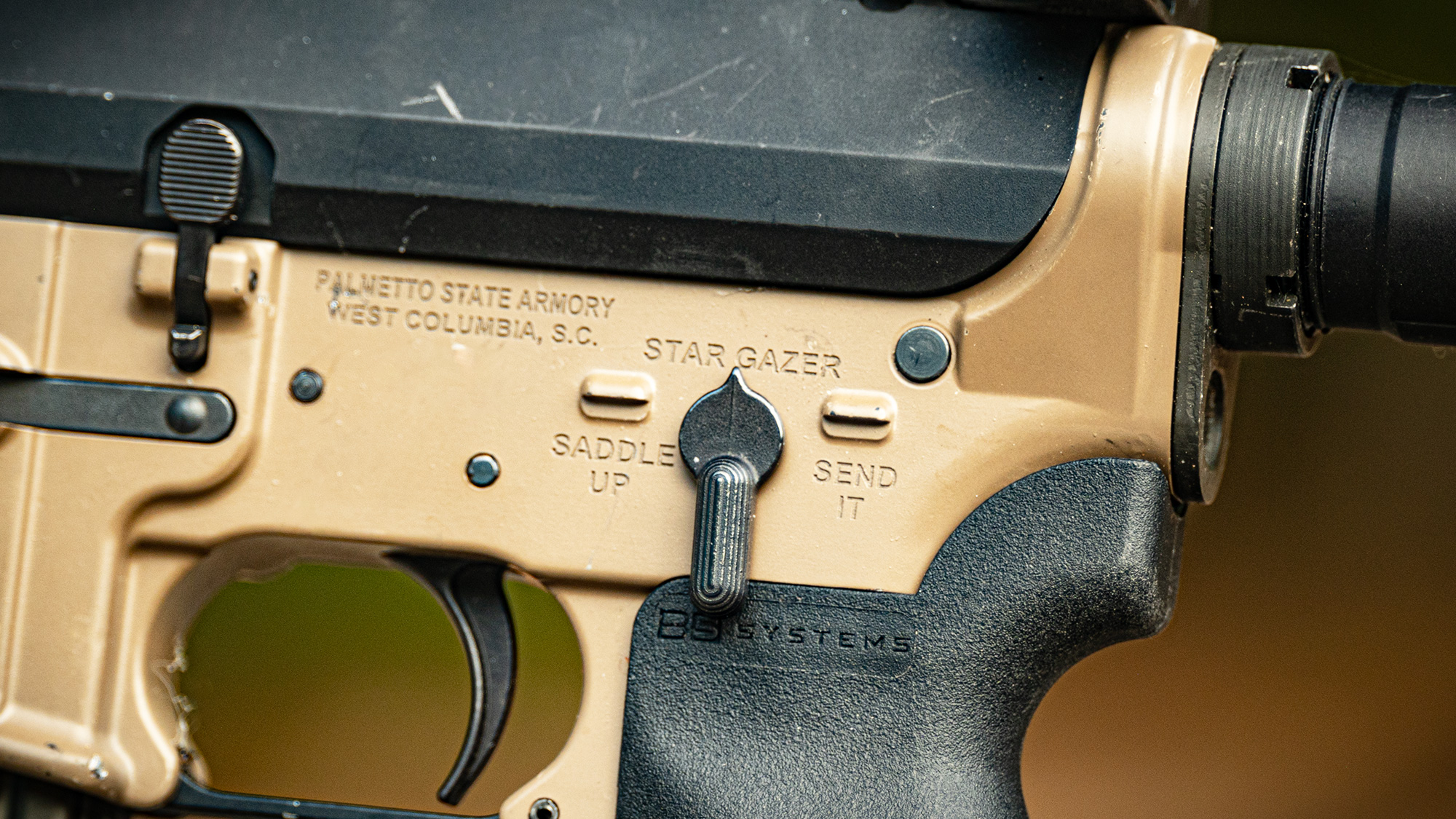
For the vast majority of AR-15 safeties, they consist of only two positions: safe and fire. But on select-fire weapons like the M16 and the M4 they have either three or four positions. If you've ever wondered why some of our AR-15 specialty lowers have a rear position for auto, it's purely cosmetic on PSA lowers. But if the PSA gun were a military or law enforcement weapon with the proper paperwork, that third position, located 180 degrees from safe, is the full-auto position.
On a full-auto M4 carbine, the third position prevents the semi-automatic seer from engaging the hammer, and instead, a separate seer engages a unique caming spot on a full-auto hammer. This allows the hammer to drive into the firing pin and into the primer on a round (once chambered) as long as the operator continues to hold the trigger rearward. Depending on the rate of the fire of a given weapon, it's possible, with practice, to fire a single shot at a time by quickly releasing the trigger.
The most interesting and complex fire-selector is the one found on the M16A2. Unlike the original M16s used in the Vietnam War, the M16A2 swapped out the full-auto functionality in favor of a three-round burst option. That sounds simple enough, but have you ever stopped to think about how this is possible?
While the auto-seer and the semi-automatic seer are relatively mechanically simple, the bust-fire seer is entirely different. The burst-fire selector/seer on the M16A2 utilizes a stepped, spring-loaded ratcheting cam that counts down from three to fire, specifically three rounds when the trigger is held. But here's an interesting question not many people ask: What happens if you let go of the trigger after only one or two shots?
It doesn't properly reset. So if you fired two rounds with a trigger pull, released, and pulled it again. The next burst would only fire one shot. What's my point?
In a combat scenario like a firefight, this is very bad. The last thing you want to hear when you expect a burst of fire is a click. The second worst thing is one bang and then nothing. Imagine you're in a fire for your life, and this happens. Most people won't automatically assume the burst mechanism is working as intended. You might think you had a malfunction or you're out of ammo. Hopefully, you simply pulled the trigger again. Regardless, this was one of the reasons most militaries have done away with the burst option on firearms.
But what about civilian guns? Are there other safeties? Yes, civilian guns can have alternative, more ergonomic safeties like those with shorter throws and ambidextrous safeties.
What Does Ambidextrous Safety Mean?
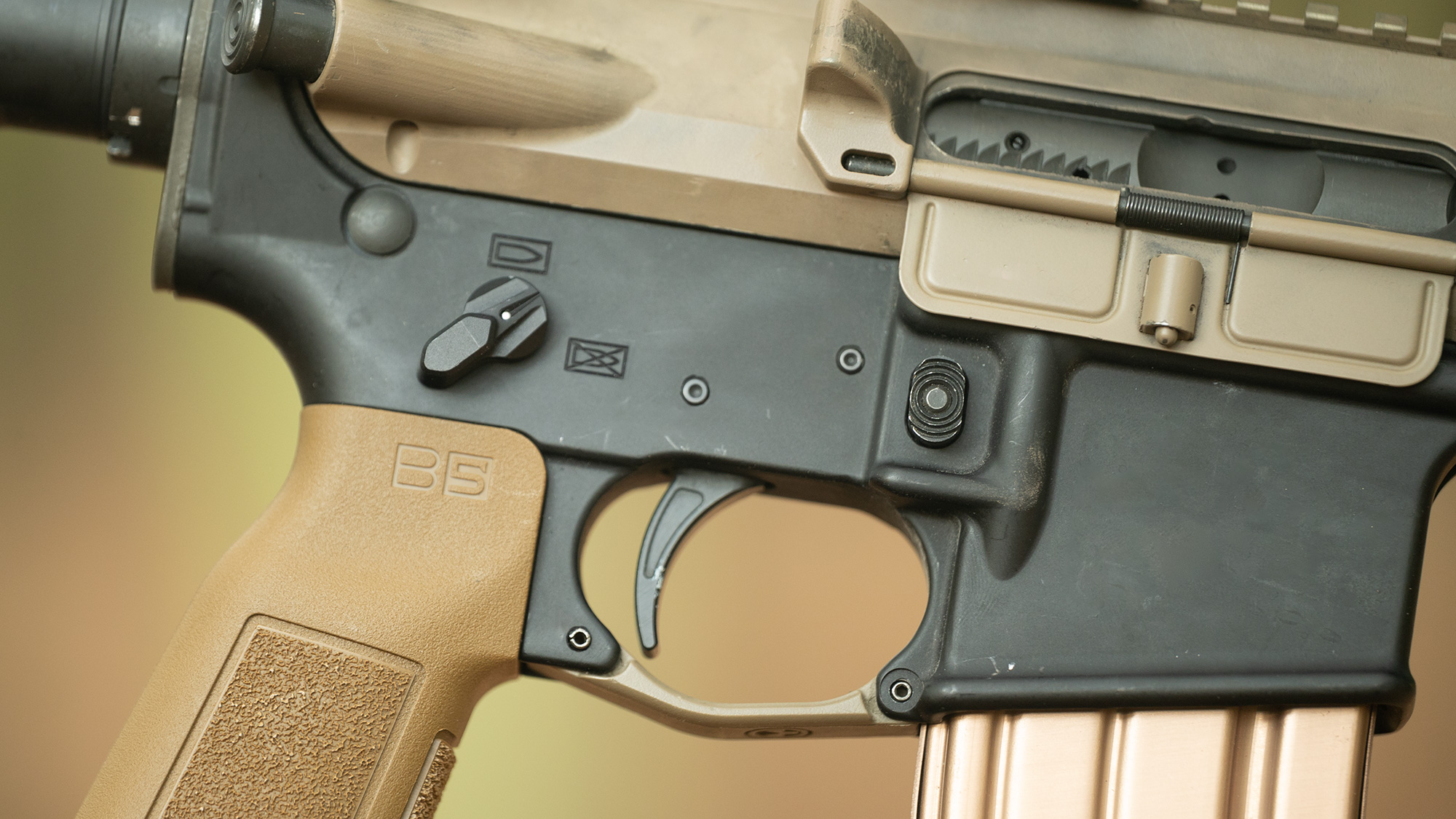
An ambidextrous safety selector allows shooters to manipulate their AR-15’s fire controls from either side of the rifle. Standard selectors can only be operated from the left side, which can be frustrating or inefficient for left-handed shooters.
With an ambi setup, you can toggle the selector with whichever hand is controlling the rifle at that moment.
How Ambidextrous Selectors Work
Ambidextrous selectors are reciprocal, meaning both levers move together. When you rotate one lever from Safe to Fire, the opposite side rotates as well.
This is especially helpful when:
- Switching shoulders around barriers
- Shooting from cover
- Transitioning hands during awkward positions
- Clearing malfunctions one-handed
It’s all about maximizing control and maintaining consistency no matter how you handle the rifle.
Benefits of an Ambidextrous Safety
✔ Better for Left-Handed Shooters
Left-handed shooters no longer need to stretch or shift their grip to reach right-handed controls.
✔ Enhanced Control During Transitions
If you ever switch shoulders or shoot around cover, an ambi selector keeps the manipulation familiar and intuitive.
✔ Versatile for Defensive or Competitive Shooting
Whether clearing rooms or navigating stages, the ability to actuate the safety with either hand increases efficiency.
Potential Downsides to Consider
Ambidextrous selectors aren’t perfect. Some common complaints include:
- Comfort Issues: The extra lever can rub against your knuckle, especially with a high grip.
- Sling Interference: When your rifle is slung across your chest, certain ambi designs can dig into your body.
- Bulk: Larger levers increase snag potential.
These issues vary by shooter and selector design—low-profile or short selectors often reduce (or eliminate) discomfort.
Short-Throw Selectors (45°): A Popular Upgrade
Many shooters prefer short-throw or 45-degree selectors, which rotate half the distance of a traditional 90-degree selector.
What They Offer:
- Faster actuation between Safe and Fire
- Less finger movement required
- Reduced chance of selector rubbing your hand
- Improved ergonomics for high-grip shooters
Do they make a massive difference in real-world speed? Not really. But they do make the rifle feel more natural and streamlined—especially if you’re already tuning the ergonomics to your preferences.
Is an Ambidextrous Safety Worth It?
If you’re left-handed, shoot defensively, compete, or simply want maximum control over your rifle, an ambidextrous safety is one of the most effective and affordable upgrades you can make.
The experience is more comfortable, more intuitive, and more adaptable—especially when paired with a short-throw configuration.
What is the Best Safety Selector for an AR-15?
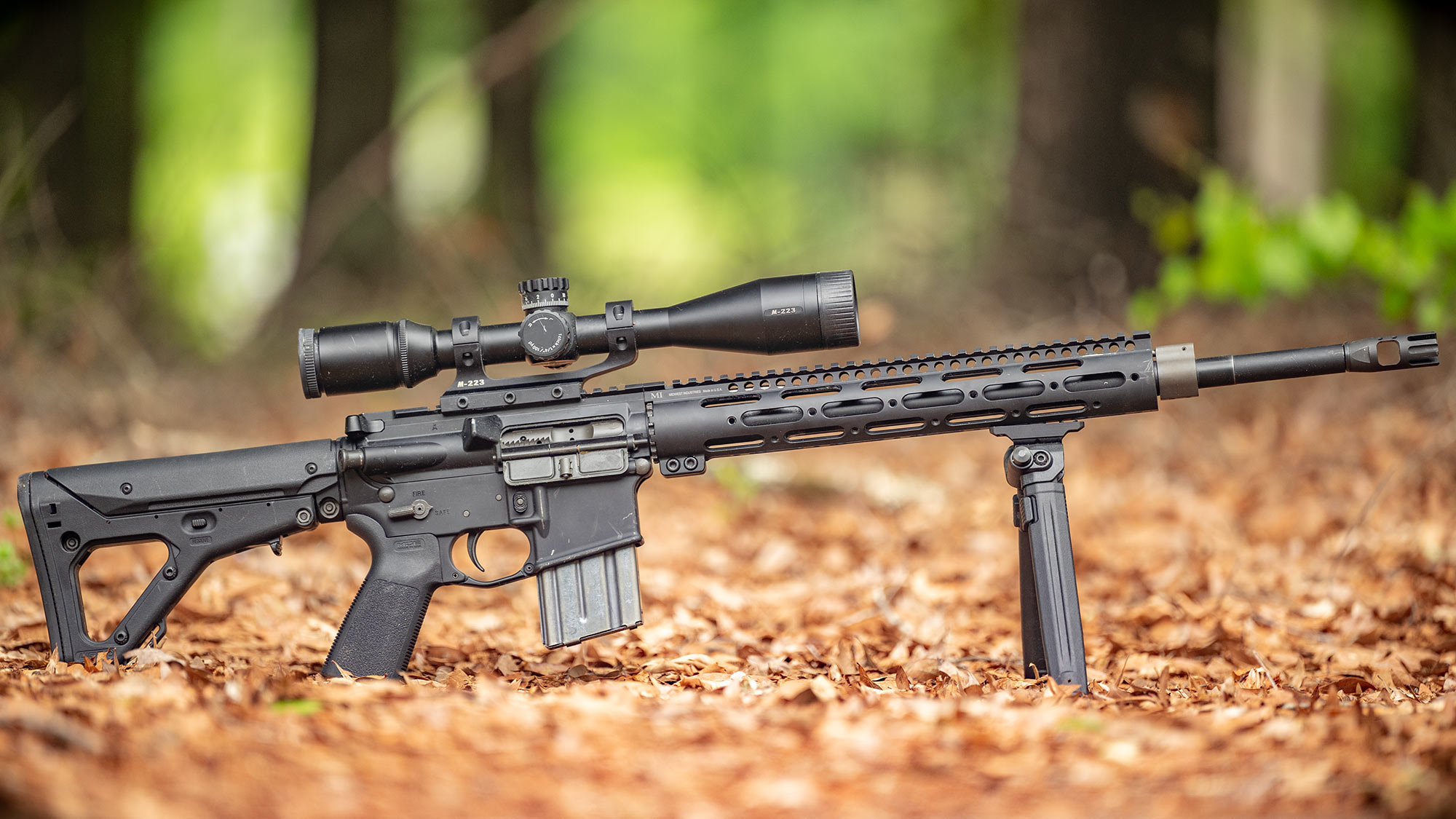
The answer to “What is the best safety selector for an AR-15?” is, by its nature, going to be very subjective. This is because the safety affects the ergonomics and handling of the gun. And anything dealing with ergonomics is going to depend heavily on the user’s preferences.
That said, a selector that combines all the desirable features that a specific shooter is searching for isn’t difficult to find. In my experience, one that ticks the most boxes for most shooters is the Radian Weapons’ Talon Ambidextrous Safety Selector Kit. This highly modular selector kit allows shooters to configure their selector lever in multiple setups.
It includes a proprietary selector kit that permits the shooter to put either shortened or elongated levers on one or both sides of the receiver. This means a shooter can run an ambidextrous selector without the opposite side lever digging into their shooting hand. It also means that shooters can set up their guns for non-ambi use with a shortened lever in case they have large hands and want something that doesn’t interfere with their grip at all. This safety has become one of my go-to selectors for new builds and for recommended items on friend’s builds. Yes, it costs more than a standard mil-spec selector, but it’s still under 100 bucks, so it’s not going to dramatically raise the price of your gun build.
Conclusion
Ultimately, the AR-15 safety selector is an often overlooked yet essential component of any AR. The standard version works great for the majority of shooters, but for those in search of a better, more personalized solution, there’s no shortage of options on the market. That said, the best selector is going to be the one that is both the most comfortable for you and one that you can easily manipulate.