

When you want to hit something far away with the ballistic equivalent of a bus, you need a big bore, serious caliber like .338 Lapua or .338 Win Mag. But despite their similarities, both cartridges serve very different roles in a shooter’s arsenal. So much so that, in many ways, they are as different as .30-06 and 6.5 Creedmoor. So, which one should you pick? Let’s take a deep dive into both and find out.
What is a .338 Win Mag Good for, and Where Did it Come From?
The .338 Winchester Magnum cartridge was introduced in 1958 by Winchester Repeating Arms. It comprises a .338-inch projectile weighing between 200 and 275gr and can reach velocities up to 2,950 fps. In more practical terms, imagine a bullet as heavy as a standard .45 ACP ball round but traveling at three and a half times the speed! To put it bluntly, the round is designed to launch relatively heavy rounds at incredible speeds.
This combination of heavy projectile and high velocity equates to a remarkable amount of energy dumped into a target. This is why the cartridge is so popular among big game hunters. Simply put, it has the power and range to put down large animals ethically.
When the .338 Winchester Magnum was first conceived by Charles O'Neil, Elmer Keith, and Don Hopkins, the main impetus behind the round’s creation was to create the ultimate hunting round. And despite being more than half a century old, the .338 Winchester Magnum is precisely that. .338 Win Mag is so potent it has become the gold standard for Alaskan hunting guides who need a round that can reliably stop a charging bear.
Is 338 Win Mag Too Big for Deer?
Is .338 Win Mag too much caliber for deer? Surprisingly, no. Despite being an effective bear-stopper, with proper expanding ammunition, .338 Win Mag will effortlessly reach vital organs in a deer and incapacitate it without destroying excess meat.
That said, it all depends on the load, the bullet type, and the size of the animal a hunter is looking to harvest. If you live somewhere like the South East, some white tail deer are only 140 pounds. In this instance, .338 Win Mag would likely be too much of a gun, especially if the chosen bullet is designed for hunting bears.
Why?
Bear-specific projectiles typically use a denser projectile to ensure they can penetrate a bear deep enough to reach its vital organs. If this round is employed on a small deer, there’s a genuine chance of overpenetration and possibly full penetration without expansion.
Should I Buy a 338 Win Mag Rifle?
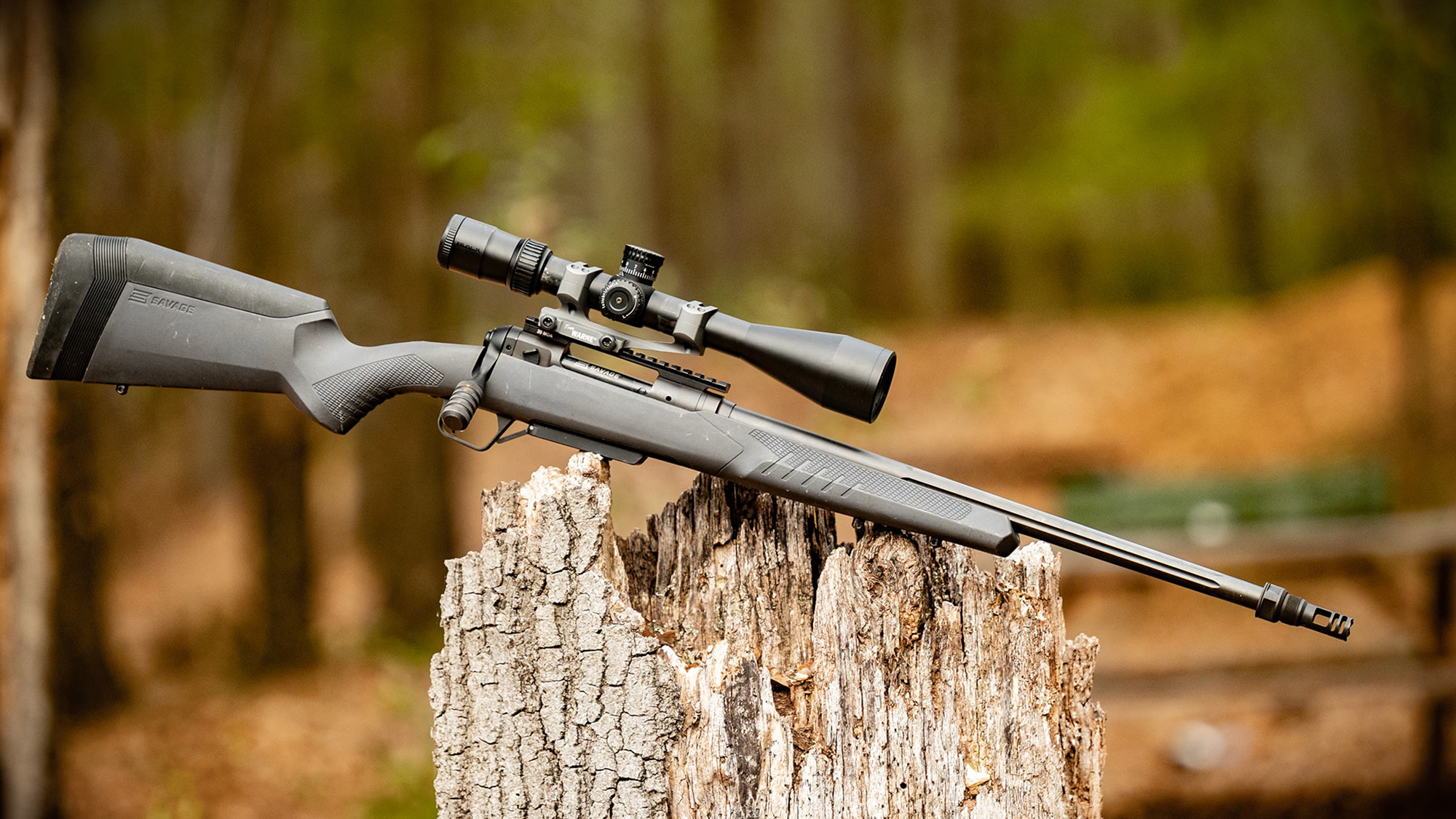
As a collector and semi-compulsive gun buyer, yes. But a more objective answer is, “It depends.” It depends on what you need from a rifle, your budget, and whether a firearm of the caliber fills a niche that others do not. For example, if you already have a .300 Win Mag rifle, the 338 Winchester Magnum won’t offer substantial enough benefits to warrant its purchase.
Alternatively, if you’re a recoil junky and looking for an excellent hunting rifle that will ensure humane hunting of any animal in North America, 338 Win Mag is a solid choice. .338 Winchester Magnum is also a fantastic round for shooters looking to take more challenging shots on animals at longer ranges. The round’s increased velocity and terminal ballistics at longer ranges mean that 400-yard shots on whitetail deer won’t make you feel uneasy if you’re an accomplished marksman.
What is So Special About the 338 Lapua?
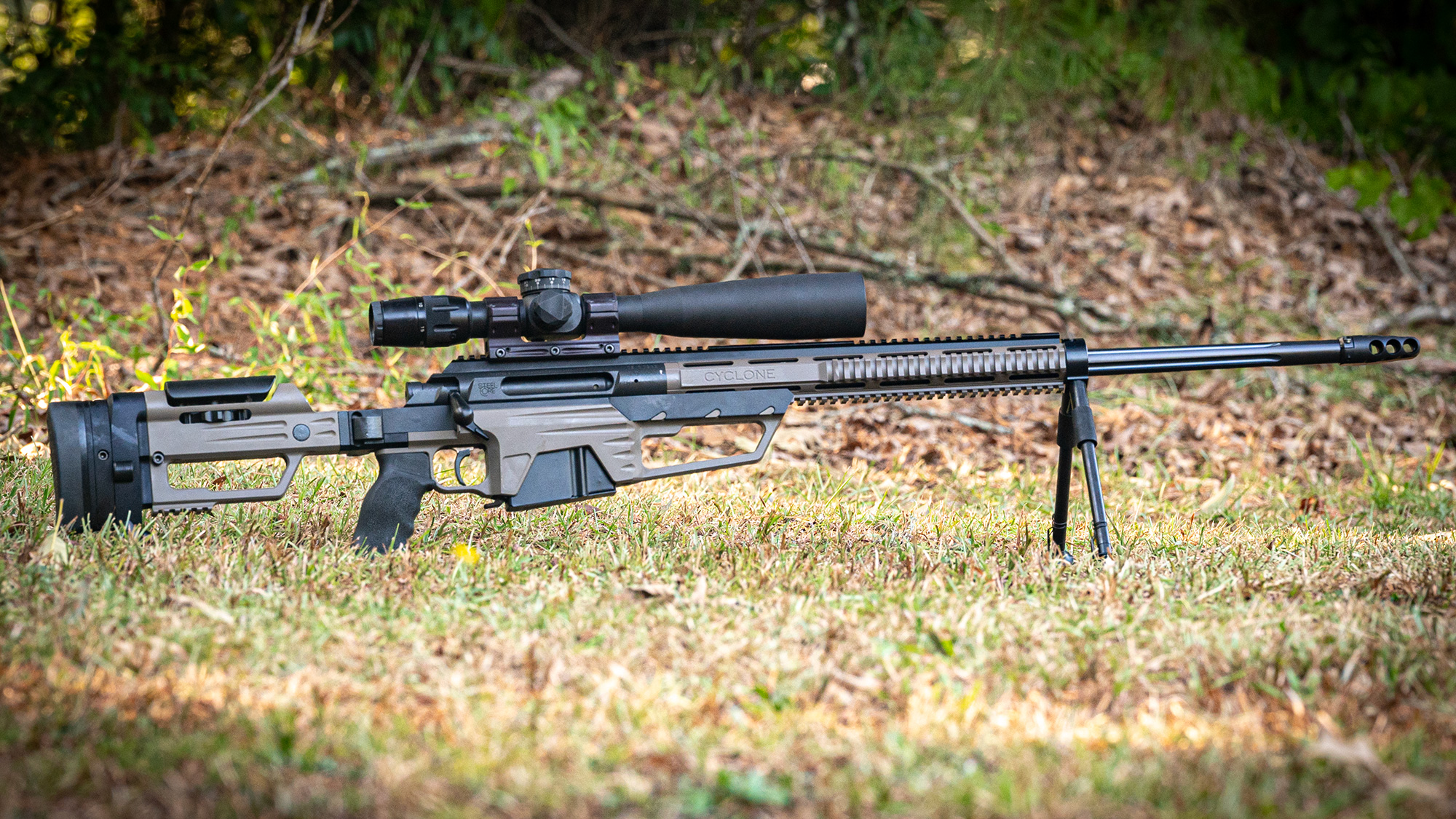
Here’s a question I often see asked: “What is so special about the 338 Lapua?” In the broadest sense, it is power and effective range. Developed in Finland in the 1980s, the .338 Lapua Magnum was designed from inception to be the ultimate long-range caliber.
For several years, the caliber didn’t see much use outside of its native country. But that all changed during the Afghan and Iraq Wars when Coalition snipers utilized the round to make kills at astonishing distances.
In 2009, British Sniper CoH Craig Harrison used his Accuracy International L115A3 to neutralize an insurgent fighter at 2,707 yards! At the time, this was the world record distance for a confirmed kill, and it shined the international military spotlight on the caliber and its capabilities. After that, every major Western military sought to field a precision weapon system in 338 Lapua Magnum to give their snipers an edge when fighting in the expansive, flat environments of the Middle East.
Why is the 338 Lapua round so good at hitting distant targets with such power? It combines projectiles with excellent ballistic coefficients, low-drag rounds, and incredible muzzle velocities. The .338 Lapua Magnum can reach a top speed of a staggering 3,360 feet per second, generating more than 5,000 foot-pounds of energy! In perspective, that’s more than four times as much energy at the muzzle as a standard 5.56mm NATO round.
What’s even more incredible is that the 338 Lapua round retains this energy so well that at 1,000 yards, it has the same power as a 5.56mm NATO round at the muzzle! Put bluntly, if a trained sniper can see an enemy with a precision rifle in 338 Lapua, they can kill them, too.
What are the Drawbacks of .338 Lapua?
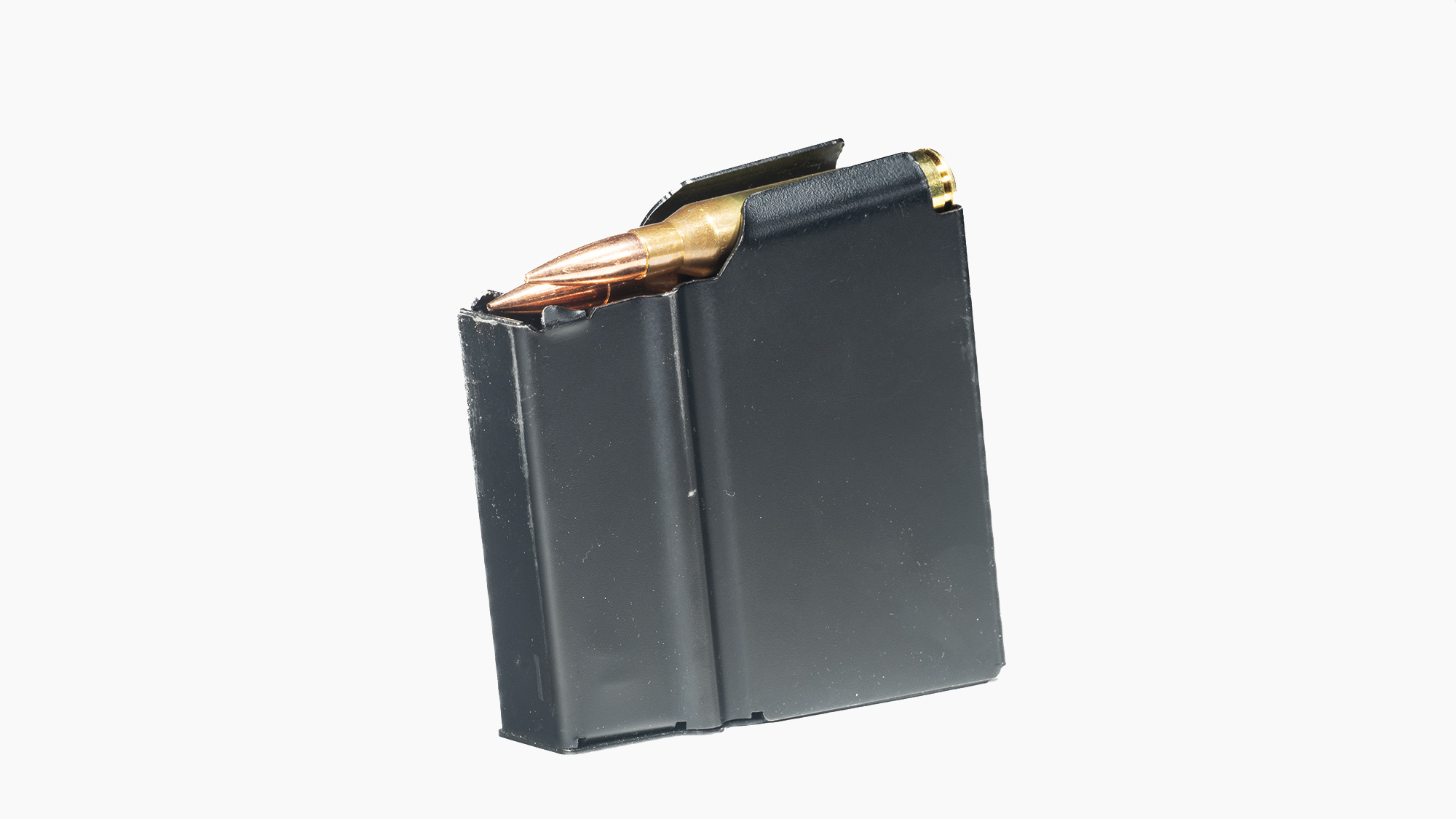
Every advantage comes with a cost, which keeps most shooters from investing in .338 Lapua. The average .338 Lapua round costs around $3.50! So unless your last name is Vanderbilt or Trump, odds are you can’t afford to plink away with the round.
The other downside to the cartridge is its power. The 338 Lapua Magnum is so powerful that it generates an incredible recoil impulse. Although not on par with the king of calibers, the .50 BMG, even a heavy precision rifle chambered in the .338 Lapua round, kicks worse than a featherweight 30-06 rifle.
Another drawback of the .338 Lapua Magnum’s potency is one of its strengths: effective range. Because the round is so deadly at such a tremendous range, a shooter must refrain from shooting steel targets closer than 750 yards. Even hardened 550 steel plates will receive neat little holes if a shooter blasts them at 500 yards with the Lapua. This is also why I recommend shooters not hunt deer with the round, and if they must, to do so while either shooting at a steep downward angle or with an earthen backstop to prevent the round from striking an unintended target.
That said, I bet 338 Lapua Magnum would obliterate wild hogs and make a fine choice for hunting them, provided the conditions were safe, and a shooter has enough spare money to blow through five C-notes in an afternoon.
Should You Buy a .338 Lapua Magnum?
If you want to engage distant targets with more energy than a 6.5 Creedmoor, yes. You should buy a rifle chambered in .338 Lapua. The cartridge's velocity and projectile mass combination make it a solid choice for PRS matches, pushing your limits at a shooter.
If you’re looking to punch holes in paper targets at your local 100-yard range, I suggest a more economical caliber. Yes, .338 Lapua will make tiny groups in paper at this range, but the same could be said for 6.5 Creedmoor or 5.56mm NATO (with the proper host rifle). Ultimately, the .338 Lapua is a sniper cartridge - and, as such, is best utilized in that role. This is to say, engaging distant targets with enough ballistic energy to neutralize them.
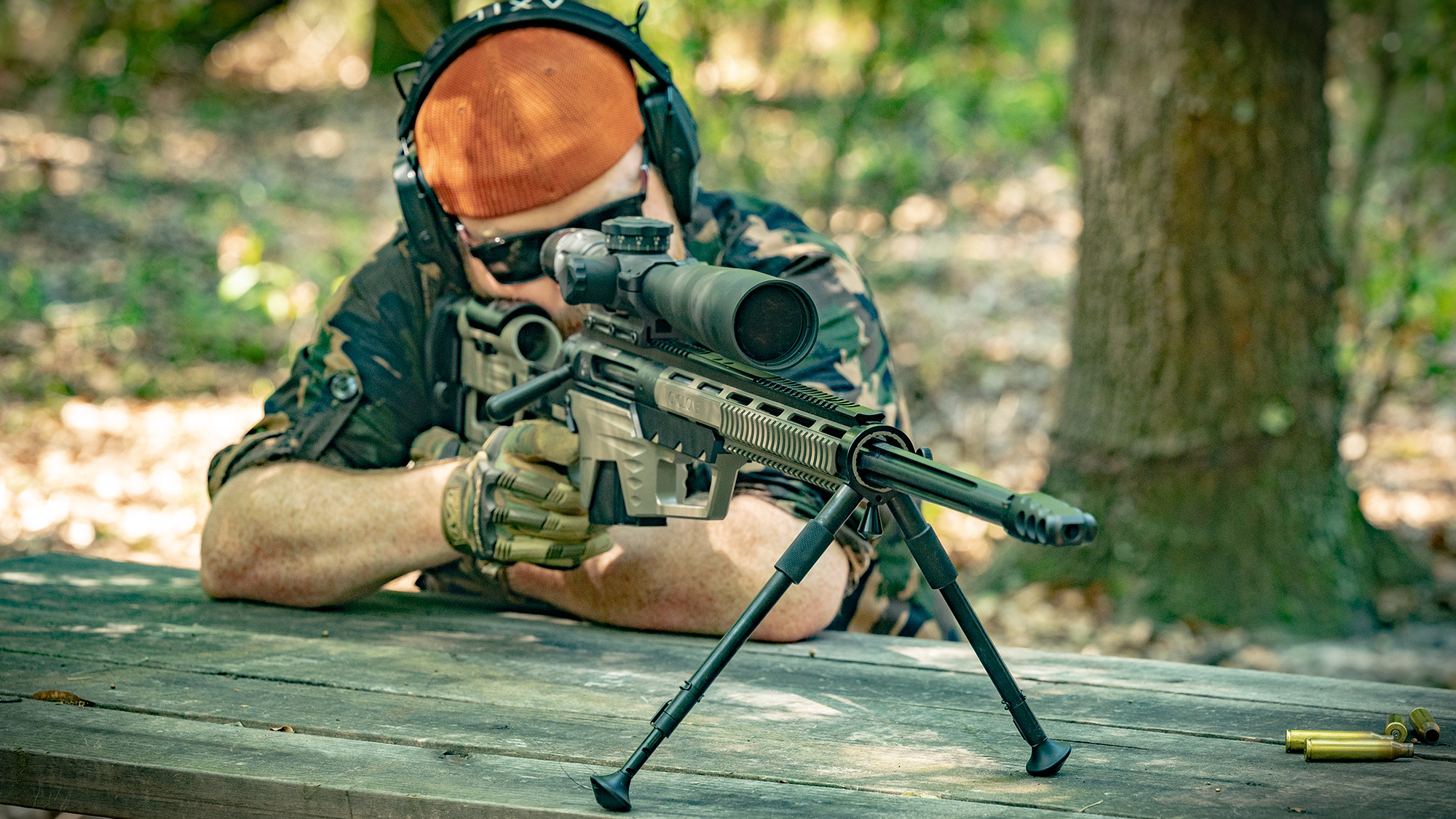
338 Lapua vs 338 Win Mag Verdict
Like all things firearm-related, it depends on the needs of the shooter. If you’re looking for the ultimate hunting round that will serve you well against anything from deer and bear to moose and elk, the .338 Winchester Magnum is an ideal cartridge. As I mentioned, nothing in North America can withstand a shot to the vitals from this round and stay standing. The only downsides are cost, recoil, and availability; shooters aren’t likely to find many loading (if any) of .338 Winchester Magnum at their local sporting goods store.
If your target is a steel gong at 1,000 yards, 338 Lapua is much better. There’s a reason several long-range sniping records are held by guns chambered in the caliber: It flies fast and hits hard. Just make sure your wallet can handle the cost of the ammo and the overbuilt guns chambered in it. Additionally, if you’re shooting at a dedicated shooting range, abstain from shooting steel targets closer than 700 yards to ensure you don’t end up paying for new targets or being asked to leave.
Regardless of which caliber a shooter picks, they’ll be equipped with a potent round that makes short work of anything animate or otherwise. Few rounds can match the ballistic potency of either of these rounds. But just remember, with great power comes great responsibility.